

When Chef Brad Wise opened Rare Society at UnCommons in southwest Las Vegas in July 2025, it read as a test. A live-fire steakhouse from a San Diego-based group, planted in a mixed-use development far from the Strip, adjacent to a Topgolf and a Target. Either the southwest valley dining community would show up, or it wouldn’t.
It showed up.
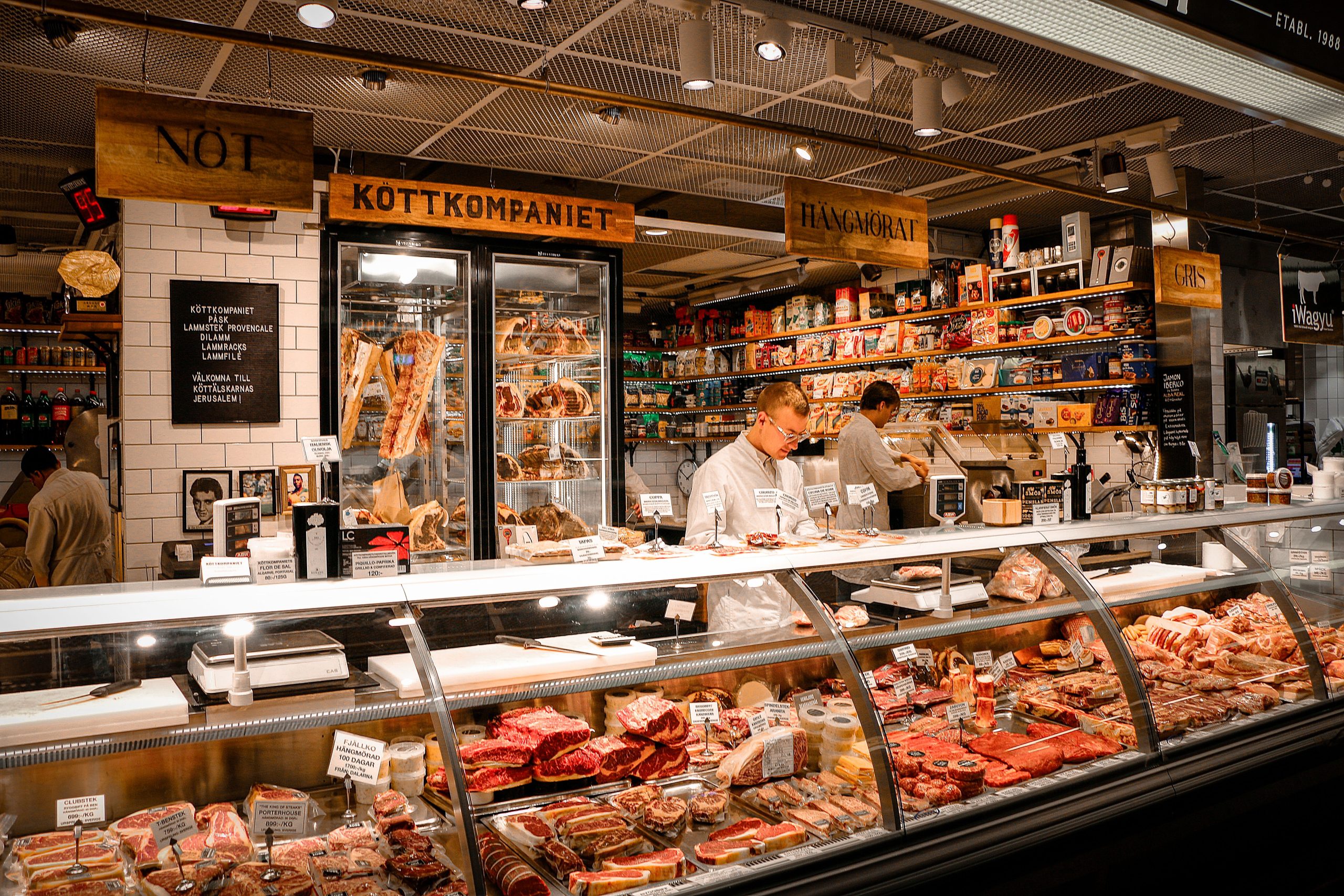
Today, October 21, 2026, The Wise Ox opened its second Las Vegas concept at the same development, 8475 Michael Cherry Avenue, Suite 120. It is the first Wise Ox location outside of Southern California, and it is not a steakhouse. It is a butcher shop and deli operated by chefs who think about raw protein the way restaurant kitchens think about every ingredient that crosses the prep table: with obsessive attention to sourcing, handling, and the cooking that should follow it home.
The formula is specific enough that the brand captured it in nine words: “Old-school butchery, for the modern home cook.”
Trust Restaurant Group and the Architecture of Deliberate Expansion
Brad Wise built Trust Restaurant Group in San Diego starting with Trust, the flagship restaurant he opened in 2016 after years of quietly cultivating investors and hosting tastings at his house. The portfolio expanded to Fort Oak, Cardellino, Rare Society, Wild Child Ice Cream, and The Wise Ox across San Diego and La Costa before the group began moving into other markets. In Las Vegas, Rare Society came first at UnCommons in mid-2025. Now The Wise Ox follows to the same address.
The sequencing is intentional. Wise has described his expansion approach as responsive rather than systematic. He doesn’t operate from a predetermined growth playbook. He scouts markets where he believes a concept fits, and he evaluates each opportunity based on the location, the layout, and what he wants to explore from a chef’s perspective. For The Wise Ox, the market validation was already complete before the first lease was signed. The community that had embraced a live-fire steakhouse sourced and operated at the level Trust Restaurant Group works at was self-evidently a community that would support a chef-operated butcher shop.
The operational logic compounds this. Trust Restaurant Group now runs two concepts at UnCommons sharing supplier relationships, market knowledge, and local brand equity built over the preceding year. Rare Society dinner guests who asked their server where the dry-aged ribeye came from now have somewhere to buy it on a Tuesday afternoon. Wise Ox customers who pick up a heritage pork shoulder on Saturday have a natural occasion to bring their visiting family to Rare Society that evening.
The group has earned a Michelin Plate Award and a Condé Nast Traveler recognition in San Diego. That institutional credibility travels to Las Vegas in ways that purely local operators cannot replicate. A customer encountering The Wise Ox for the first time and spending thirty seconds looking up Trust Restaurant Group finds a portfolio with verifiable external validation. The quality signal lands before a single sandwich is ordered.
What a Chef-Driven Butcher Shop Actually Does
The difference between a conventional grocery store meat counter and a chef-operated butcher shop is not primarily about the quality of raw product, though that matters. It is about what happens between the animal and the customer’s kitchen.
Wise has described a near-zero-waste approach at The Wise Ox that converts trim and scraps into stocks, butters, and tallow rather than treating them as disposal. This is restaurant-kitchen discipline applied to retail. Professional kitchens have always treated byproduct as inventory because the economics of food service require it. Stocks made from trim reduce food cost. Tallow rendered from fat becomes a cooking medium. Bones build sauces. A butcher shop operated by chefs applies the same logic to a retail context where most operators simply throw the trim away, because the infrastructure and the mentality required to capture it don’t exist at a conventional meat counter.
The sandwich menu is a related choice. The Wise Ox Las Vegas will serve a focused selection of sandwiches from the case alongside retail cuts, including a smoked turkey, a cheesesteak, and a dry-aged burger. Most butcher shops don’t make this addition. A butcher shop with no prepared food component operates during the hours when customers plan ahead. Someone who decides on Tuesday that they want to cook a specific cut on Saturday can come in for it. A sandwich menu captures the customer who didn’t plan ahead, who is hungry now, and who benefits from the fact that the best ingredients in the case are also going into the bread.
The Ox Box monthly subscription creates a third customer relationship entirely. Chef Wise selects the contents, which means the subscription delivers his current editorial judgment about what is worth featuring alongside sourcing quality. The value proposition is different from a subscription that ships a standing order of the same cuts each month. Customers who subscribe are not just buying good meat. They are accessing what a chef who works with this product daily considers worth featuring right now. For home cooks who trust the judgment, this is more valuable than selecting independently from a case of excellent options they may lack the background to evaluate confidently.
UnCommons as the Right Address
The choice of UnCommons for The Wise Ox’s Nevada debut reflects something specific about who lives in the surrounding southwest Las Vegas corridor. The demographic is professional, affluent relative to the city’s median, and food-engaged in ways that neighborhood composition supports. These are households that cook with some seriousness, that have the income to pay for sourcing that outperforms what the grocery chain offers, and that are increasingly literate about the difference between commodity retail meat and chef-sourced protein.
UnCommons has been developing a culinary identity that supports this positioning. Amari Italian Kitchen operates there and sells wine and house-made pasta sauces as retail alongside its dining room. Stix Asia, the first American location of a hundred-year-old Tokyo Ginza institution, is preparing to open its food hall at the development. Rare Society’s live-fire steakhouse has been anchoring the culinary cluster for over a year. The Wise Ox arrives into a development that has already done the work of signaling to the southwest valley market that this is where serious food happens off-Strip.
The shop’s address, 8475 Michael Cherry Avenue, Suite 120, puts it adjacent to Rare Society in a configuration that benefits both concepts without generating direct competition. A family buying a prime rib for Sunday dinner at The Wise Ox has already been primed to consider a Rare Society reservation for a future occasion. A Rare Society regular asking where to find the quality of beef they just ate for dinner has the answer in the same parking lot.
The Ox Box as Recurring Infrastructure
The monthly Ox Box deserves specific examination as a business model decision that goes beyond revenue generation. Direct-to-consumer meat subscription programs have proliferated broadly, from national brands like Crowd Cow and ButcherBox to local farms offering CSA-style selections. Most of them compete on sourcing claims. Grass-fed, pasture-raised, heritage breed, humanely raised. The language across these programs converges because the sourcing itself has converged at the premium tier.
The Wise Ox’s Ox Box competes on editorial judgment rather than sourcing credentials. The distinction matters because it creates a product that cannot be easily replicated by a competitor who acquires the same supplier relationships. Chef Wise selects the contents based on what he is currently finding exceptional, which means the box delivers a perspective rather than a roster. Subscribers are not getting the same box as last month with the same cuts from the same sourcing. They are getting what the chef thinks is worth eating right now.
This editorial element also creates a social dimension that pure product subscriptions lack. Home cooks receiving the same Ox Box in a given month have something to talk about. A specific cut that required an unfamiliar technique, a dry-aged selection that performed unexpectedly, a beef tallow included with cooking notes, these become conversation points that build community around the shop in ways that individual retail transactions do not.
For the business, the subscription provides baseline recurring revenue that insulates the shop against slow weeks and seasonal fluctuation. A retail operation that depends entirely on transactional purchases is exposed to every local event that draws residents away and every summer stretch when visitors leave and locals scatter. A subscriber community provides the floor that allows confident operation during periods that would otherwise threaten margins.
Notes and Key Takeaways
The Wise Ox at UnCommons, 8475 Michael Cherry Avenue, Suite 120, opened today, October 21, 2026. The shop offers chef-selected cuts of beef, heritage pork, and free-range chicken alongside a focused sandwich menu including a dry-aged burger, cheesesteak, and smoked turkey. The Ox Box monthly subscription, curated by Chef Brad Wise, launches with the opening.
The location is The Wise Ox’s first outside Southern California and the second Trust Restaurant Group concept at UnCommons, following Rare Society steakhouse, which opened at the development in July 2025. The near-zero-waste approach, converting trim into stocks, tallow, and butters for retail sale alongside the case, distinguishes the operation from conventional retail meat programs.
Important Insights:
The sequencing of Rare Society before The Wise Ox at the same UnCommons address demonstrates how multi-concept restaurant groups can use anchor concepts to validate markets before deploying complementary formats. The two concepts share brand equity, supplier relationships, and development credibility without competing for the same dining occasion.
A butcher shop that converts byproduct into retail products, stocks, tallow, butters, is executing restaurant-kitchen economics in a retail context. The operational demand is genuine: it requires infrastructure, additional staff time, and inventory management complexity that most retail operators avoid. The reward is a more complete product offering and a story about craftsmanship that a market paying premium prices for premium product responds to.
The Ox Box subscription model creates a recurring revenue floor that retail-only operations lack, while simultaneously delivering an editorial product, the chef’s current judgment, that commodity subscription programs cannot replicate through sourcing claims alone.
Brad Wise’s Michelin Plate and Condé Nast recognition in San Diego travels with him to Las Vegas as institutional credibility that shortens the trust-building curve for a concept entering a market without a local history. This is the specific advantage that chef-operators with verifiable external validation hold over equally talented operators who built their reputations locally and quietly.
The southwest Las Vegas corridor has now absorbed Rare Society, Amari Italian Kitchen, The Wise Ox, and the incoming Stix Asia food hall at UnCommons, plus DJ Flores’s Milpa locations on Spring Mountain Road and the Chinatown corridor extending west. The narrative of serious off-Strip dining as a Strip-only phenomenon has been dissolving steadily, and today’s opening adds another data point to that argument.