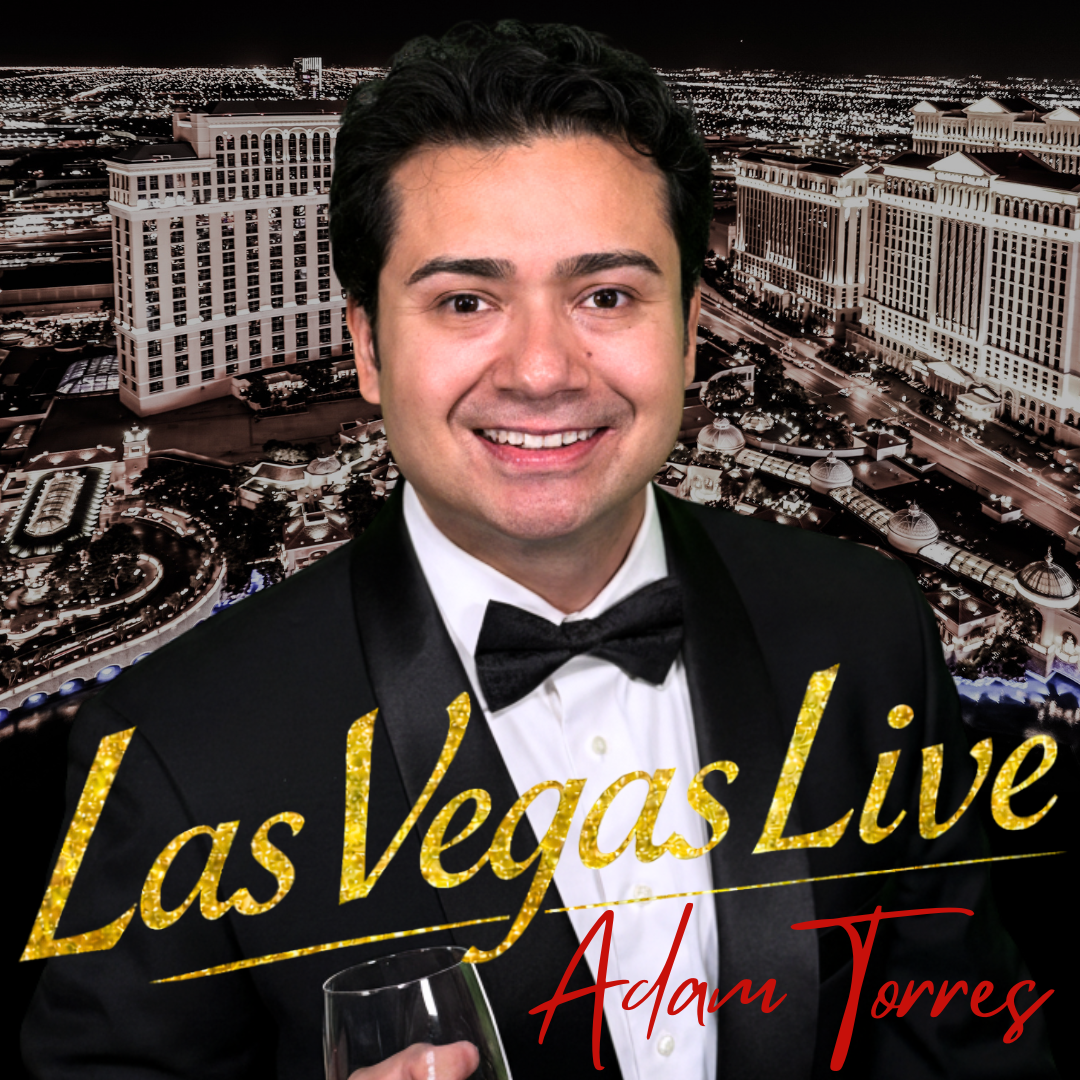



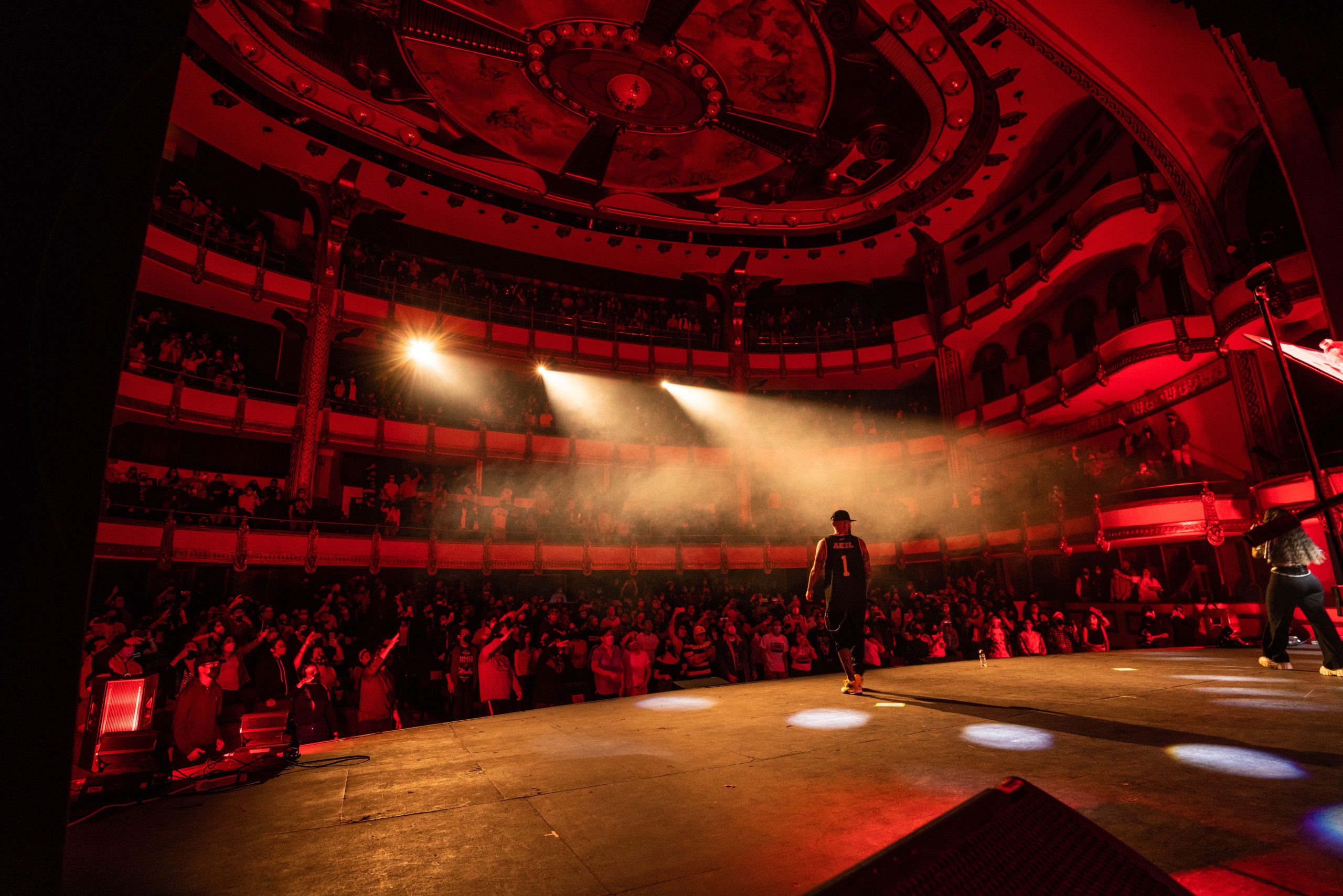
On September 4, 2026, Carín León walked onto the Sphere stage and became the first Latin artist in history to headline the venue. He brought an orchestra-sized band. He brought Cody Johnson for a cross-genre duet. He brought The Warning, the Mexican female rock trio, for their collaboration Love to Be Loved. And he brought something else: the weight of what the moment meant for a genre that had spent decades watching its ceilings get raised and immediately replaced by higher ones.
The Sonora-born música Mexicana hitmaker announced a run of shows in the groundbreaking venue that took place September 4 through 13, produced by AEG Presents as part of Las Vegas’s annual Mexican Independence Day weekend festivities. Seven shows total across ten days. All sold out.
The engagement was defined by a deafening declaration of Mexican pride. León spared no expense, bringing out an orchestra-sized band and surprise guests like country hitmaker Cody Johnson and the female rock trio The Warning during opening weekend.
The commercial fact is clean: a regional Mexican artist from Sonora sold out Sphere seven times. The strategic fact is more complex and worth examining in full.
What It Took to Get Here
Carín León’s path to Sphere is not a straight line from obscurity to global fame. It is a deliberate and calculated genre evolution that preserved authenticity while systematically expanding accessibility.
The norteño sound that defines his core identity draws from the brass-heavy, accordion-driven traditions of northern Mexico. It is regional music in the original sense: rooted in place, in community, in a specific cultural experience that listeners from Sonora to Chicago to Los Angeles carry as identity rather than simply consume as entertainment. This rootedness is both the genre’s commercial limitation and its deepest commercial strength.
León expanded the sound without abandoning it. His crossover collaboration with Kacey Musgraves, Lost In Translation, placed norteño musical DNA in a format that country audiences could access without feeling that the genre was being diluted for their benefit. The collaboration felt like genuine artistic curiosity from both sides rather than commercial calculation. That authenticity distinction matters enormously for genre credibility, which is what sustains long-term careers rather than viral moments.
León became the first regional Mexican artist to headline a concert at Summerfest in Milwaukee on June 20, 2026, and to headline the Summer Sonic Festival in Japan on August 14 through 15. These firsts, both achieved in the months before Sphere, established a pattern: León is consistently the first regional Mexican artist to do things that had previously been considered outside the genre’s commercial reach.
Sphere represents the largest of these firsts by a significant margin. Summerfest and Summer Sonic are major festivals, but they accommodate multiple headliners and share cultural authority across artists. Sphere gives you the venue alone, for seven nights, with all of its visual and acoustic power pointed exclusively at your music and your performance concept.
The Production Concept and Its Demands
Sphere is not a passive venue. Artists who perform there without building production specifically for its technology are wasting the most powerful entertainment infrastructure ever constructed. The 16K wraparound LED surface, the spatial audio system, the haptic seating, the environmental effects including temperature and scent, these are not decorative enhancements to a standard concert format. They require production concepts built from scratch around the venue’s specific capabilities.
The Carín León Sphere production, while not documented in technical detail in available coverage, can be inferred from the reporting. An orchestra-sized band at Sphere suggests that León treated the musical experience as primary and built visual production around it rather than subordinating the music to spectacle. This approach mirrors what Anyma accomplished with electronic music: use Sphere’s technology to amplify the emotional impact of music that is genuinely excellent rather than to compensate for music that needs production to seem more interesting than it is.
León’s presence extended beyond Sphere. Fontainebleau Las Vegas ran a Carín León Takes Over Fontainebleau campaign through September 14, with photo installations, a pop-up partnership with León’s El Coyote del Norte restaurant concept, Mexican-themed nightlife programming at LIV, and a La Cura Fest event at LIV Beach Club on September 13.
This ecosystem extension reveals sophisticated commercial thinking. The Sphere shows were not the entire product. The surrounding Fontainebleau activation transformed León’s Las Vegas week into an immersive cultural experience that extended well beyond concert hours. Fans who attended Sphere on one night could return to Fontainebleau the next day for the restaurant pop-up, then to LIV Beach for La Cura Fest. The total León experience across the week was substantially richer than any single show could deliver.
Mexican Independence Day Weekend as Strategic Calendar Moment
The timing of León’s Sphere shows around Mexican Independence Day, September 15-16, reflects a deliberate decision to anchor the engagement to the city’s most significant annual Latin cultural event.
The Las Vegas Mexican Independence Day weekend entertainment calendar included Maná at T-Mobile Arena, Banda MS at MGM Grand Garden with Xavi, Marc Anthony opening a five-date BleauLive Theater run at Fontainebleau, Marco Antonio Solis at Dolby Live, and Carin León headlining Sphere across seven dates.
This concentration of Latin music across the Strip during a single weekend is the clearest possible demonstration of how thoroughly Las Vegas has developed Latin music as a commercial programming category rather than as a specialty offering. We examined the beginnings of this diversification earlier in this series through Azúcar’s weekly Latin nights and Fuerza Regida’s Allegiant Stadium sellout. Mexican Independence Day weekend is the full expression: every major venue on the Strip simultaneously programming for the Latin audience at the highest quality tier available.
The concerts happening across the Las Vegas Strip showcase some of the biggest names in Latin music, demanding a solid plan of attack to celebrate to the fullest. That framing, a plan of attack for the breadth of the programming rather than a single event to attend, captures how the weekend functions as a genuine entertainment ecosystem rather than a collection of individual shows.
The Ceiling Question
Every major milestone for Latin music in American entertainment prompts the same question: is this the ceiling, or does this raise it again? Fuerza Regida at Allegiant Stadium raised it. Carín León at Sphere raises it again.
The answer depends on whether the commercial validation translates into institutional change. The Eagles at Sphere demonstrated that the venue works for legacy rock. Anyma demonstrated that it works for electronic music. The Backstreet Boys demonstrated that it works for pop nostalgia. And now Carín León has demonstrated that it works for regional Mexican music.
This demonstration matters because Sphere’s programming decisions are made by one of the entertainment industry’s most sophisticated operators, and Sphere does not program artists who cannot deliver both the commercial numbers and the production quality to justify the venue. AEG Presents, which produced León’s Sphere engagement, is one of the largest live entertainment companies in the world. Their decision to produce a seven-show regional Mexican artist engagement at Sphere signals institutional confidence that goes beyond León as an individual.
The artists watching are obvious: Bad Bunny, J Balvin, Peso Pluma, Becky G, and the roster of Latin artists whose commercial profiles suggest Sphere-scale viability. León being first does not mean the others are coming. But it removes the uncertainty about whether the venue and the genre can coexist at the highest commercial level.
Key Insights
Seven sold-out Sphere shows by the first Latin artist to headline the venue demonstrate that regional Mexican music commands Sphere-scale commercial demand, removing uncertainty about the genre-venue compatibility that previously existed without documented evidence. Authentic genre evolution, expanding norteño sound into country crossover and Japanese festival headlining without diluting the core identity, builds the credibility infrastructure that makes premium venue programming commercially viable. Ecosystem extension across Sphere shows, Fontainebleau restaurant pop-up, LIV nightlife programming, and LIV Beach festival transforms a concert week into an immersive cultural experience that generates sustained property-wide spending beyond ticket revenue.
Mexican Independence Day weekend concentration of major Latin programming across every major Strip venue demonstrates the complete maturation of Latin music as a commercial category rather than a specialty offering, building institutional programming infrastructure across the city simultaneously. AEG Presents’ decision to produce a seven-show Sphere engagement signals institutional confidence from one of the live entertainment industry’s most sophisticated operators, functioning as validation that extends beyond León’s individual commercial profile.
Notes on What Carín León at Sphere Actually Changed
History in the entertainment industry accumulates in ways that are not always visible at the moment of the event itself. The Roger Bannister effect applies: once the barrier is broken, others follow quickly because the psychological obstacle has been removed alongside the commercial uncertainty.
Carín León at Sphere in September 2026 is that moment for Latin music. The genre is not simply gaining access to premium entertainment venues. It is establishing permanent presence at the venues that define the ceiling of what live entertainment can be. That is a different kind of milestone than a record-breaking streaming number or a crossover chart position.
Seven shows. Sold out. Orchestra-sized band. Sphere. September 2026.
The ceiling moved again.