



A Gap That Shouldn’t Have Existed This Long
More than 250,000 Australians visited Las Vegas in 2025. They did it by flying to Los Angeles, San Francisco, or another American gateway city, clearing customs, collecting luggage, rechecking bags, and boarding a second flight to cover the final leg. The entire process added five or more hours to a journey that a direct flight would handle in under fourteen. Australia was simultaneously Las Vegas’s second-largest overseas source market and its largest international market without a nonstop connection.
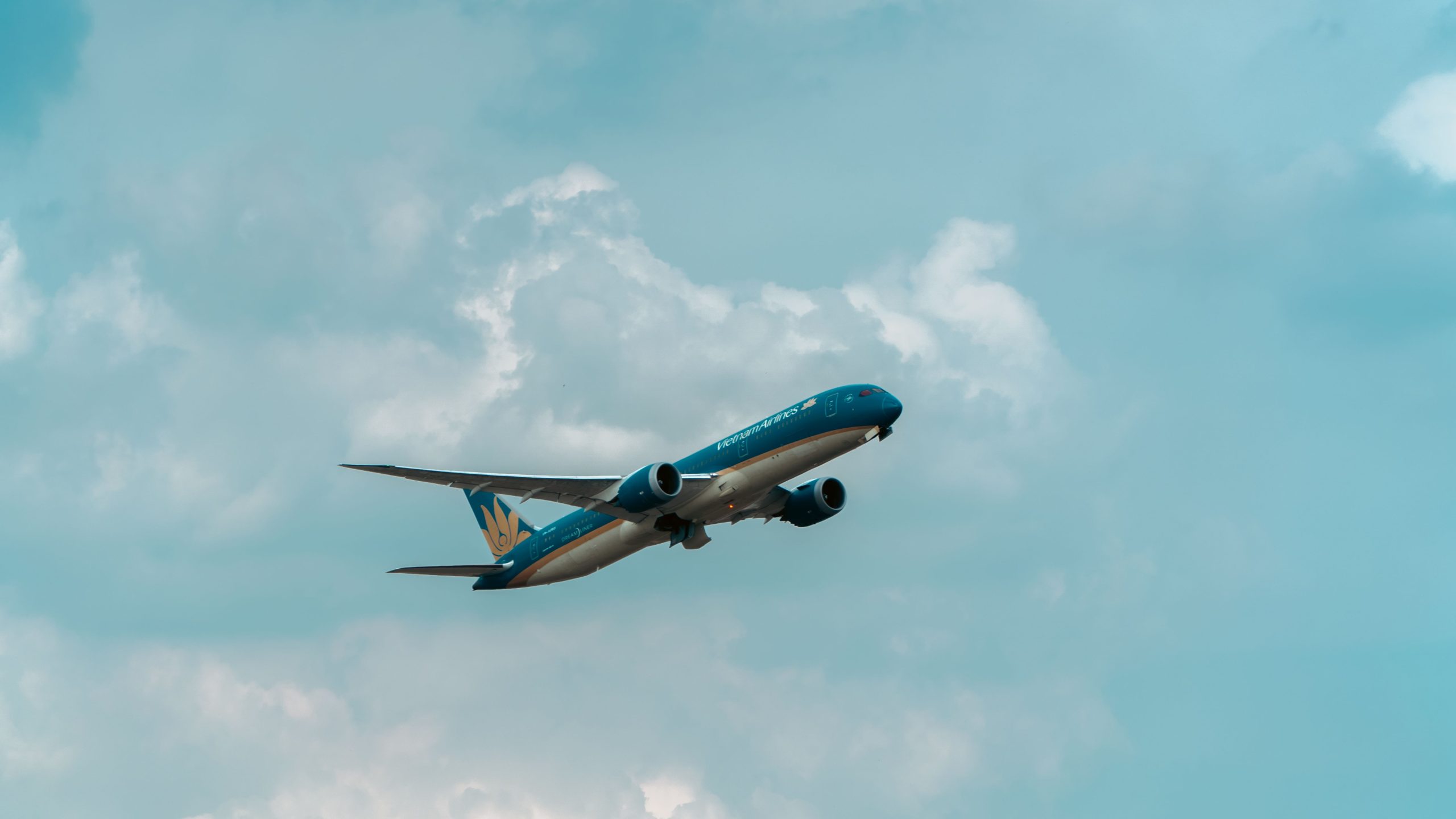
That gap closes on December 29, 2026, when Qantas flight QF55 departs Sydney Kingsford Smith Airport at 9 p.m. and arrives at Harry Reid International Airport at 3:55 p.m. the same calendar afternoon. The Boeing 787-9 Dreamliner carrying that first load of passengers will make aviation history: no airline has ever operated a regularly scheduled nonstop service between Australia and Las Vegas until now.
LVCVA President and CEO Steve Hill has been pointing to this moment for years. “Australia has consistently ranked as our second-largest overseas market and our top international market without a nonstop flight. More than 250,000 Australians visit each year, drawn by the breadth and depth of experiences Las Vegas offers,” he said when the route was announced. The new service converts a market that was traveling to Las Vegas despite significant friction into one that can do so with the ease that every other major international market already had.
The Route’s Vital Statistics
The details of what Qantas is launching reward close examination. Flight QF55 will operate three times weekly on Tuesdays, Thursdays, and Sundays using Boeing 787-9 Dreamliners with 236 seats, including 42 business class suites and 28 premium economy seats. The seasonal service runs from December 29, 2026, through March 12, 2027, capturing peak demand from the northern winter and Australian summer holiday periods.
The westbound flight time of approximately 13 hours and 55 minutes saves travelers up to five hours compared with one-stop itineraries through other US gateways. Return fares from Australia start at AU$1,099 (approximately US$698). The pricing is competitive with the connected itineraries it replaces, meaning the value proposition isn’t just convenience but equivalent cost for significantly better travel experience.
The December 29 inaugural date is deliberate and strategic. The service launches at the precise moment when Las Vegas’s most valuable January anchor event, the Consumer Electronics Show, begins drawing its 140,000-plus attendees from around the world. CES runs January 6-10, and the Qantas schedule guarantees multiple Sydney-Las Vegas departures during the pre-CES travel window. Australian technology executives, venture capitalists, and startup founders who attend CES can now fly direct, which changes the calculus of whether a Las Vegas attendance is worth the full international travel burden.
The Charter Flights That Proved the Demand
Qantas didn’t take a leap of faith with QF55. The route decision was supported by three consecutive years of fully booked charter flights between Australia and Las Vegas, operated in connection with National Rugby League fixtures at Allegiant Stadium.
The NRL charter flights, which have operated for three consecutive years, have been fully booked every time, providing direct evidence that Australian demand for Las Vegas travel is strong enough to fill aircraft when the connection is made convenient. Converting proven charter demand into scheduled service is a lower-risk expansion decision than launching a route with no prior traffic data. Qantas knew before announcing QF55 that the passengers were there.
The NRL connection matters for understanding the Australian market’s composition. Rugby League is the dominant sport in New South Wales and Queensland, Australia’s most populous states. When the NRL began staging marquee fixtures at Allegiant Stadium, Las Vegas entered the cultural consciousness of Australian sports fans in a way that tourism marketing campaigns alone couldn’t achieve. Australian fans who traveled for the NRL games discovered Las Vegas as a broader destination and returned as leisure tourists. That discovery process, running across three years of charter services, built the base that makes scheduled service commercially viable.
The Las Vegas route becomes the 101st destination in the Qantas network and the airline’s eighth city in the Americas, joining Los Angeles, San Francisco, Honolulu, Dallas, New York, Vancouver, and Santiago. The Las Vegas positioning as a leisure destination in this roster differs from Qantas’s other American cities, which are primarily gateway hubs or business destinations. This distinction signals that Qantas sees Las Vegas as a standalone leisure market with sufficient depth to sustain seasonal service independently.
The LVCVA’s Australian Marketing Machine
The LVCVA’s September 8 announcement about gearing up to market Las Vegas to Australian visitors ahead of the December launch reflects an understanding that a new nonstop route requires active demand development, not just passive availability.
Australian travel behavior patterns differ from American domestic travel in ways that matter for Las Vegas marketing strategy. Australians planning international trips typically book further in advance than American domestic travelers and spend more per trip because the psychological commitment of long-haul international travel encourages extending stays and upgrading accommodations. An Australian visitor arriving on QF55 is likely to stay longer and spend more per day than a comparable American visitor from a neighboring state.
The seasonal December-March window that Qantas chose also aligns with Australian school holidays and summer break, when family travel and couple’s trips to warmer northern hemisphere destinations peak. Las Vegas in December and January offers what Australian summer travelers want: entertainment, warmth relative to Australian summer temperatures (though not comparable to tropical alternatives), and the unique experience of seeing the city during its busiest event period when CES and the post-New Year’s entertainment calendar are both in full swing.
The F1 Las Vegas Grand Prix timing is just outside the Qantas window, with the 2026 race scheduled for November 19-21. But the service’s launch in late December positions it to capture Australian fans of Formula One who might extend a holiday trip or book specifically around the Grand Prix in future years if the seasonal service eventually expands its dates.
The Competitive Landscape and What It Means
No other airline has ever operated this route as scheduled service. Qantas’s first-mover position gives it the advantage of shaping how Australian travelers think about flying direct to Las Vegas before competitors can establish alternative routings.
The competitive dynamic from Qantas’s perspective is interesting. Las Vegas sits within driving distance of Los Angeles, which Qantas serves with multiple daily flights. A traveler who might otherwise fly Sydney-Los Angeles and drive or take a short connecting flight to Las Vegas now has a more convenient alternative. Rather than cannibalizing its own Los Angeles traffic, Qantas likely calculated that the Las Vegas route attracts travelers who would otherwise choose different US destinations, or who might not have visited at all without the convenience that direct service provides.
For Las Vegas, the route’s competitive significance extends beyond the Australian market. A Qantas scheduled service to Las Vegas signals to other international airlines that Las Vegas has matured as a direct international destination. The city already has nonstop connections to London, Frankfurt, Tokyo, and a handful of other international markets. The Qantas service adds a trans-Pacific route that positions Harry Reid International Airport as an increasingly viable international aviation hub rather than a domestic destination with a few international connections.
The Economics of the 787 Dreamliner on This Route
The Boeing 787-9 Dreamliner that Qantas is deploying on QF55 is specifically suited to routes like Sydney-Las Vegas. The aircraft’s fuel efficiency on long-haul routes makes routes that previous generation aircraft couldn’t operate profitably now commercially viable. The 13-hour 55-minute westbound flight time represents an ultra-long-haul service that the 787’s extended range and fuel economy make economically feasible.
The seat configuration matters for revenue optimization. With 42 business class suites, Qantas is specifically targeting the premium traveler segment on this route. Business class revenue on long-haul international routes typically generates a disproportionate share of total route revenue relative to seat count. The 42 business class suites on QF55 will likely carry a significant portion of the route’s revenue even though they represent less than 20% of seat capacity.
Las Vegas has been building its premium hospitality infrastructure precisely for this traveler. The high-end suite offerings at Wynn, Bellagio, Venetian, and Fontainebleau have been expanding. The celebrity chef restaurant ecosystem has grown. The Sphere and Eagles residency represent entertainment experiences that justify premium ticket prices. The Australian business class traveler arriving at Harry Reid and checking into a Bellagio suite is exactly the high-yield visitor that Las Vegas’s infrastructure has been positioning to attract.
Notes for Stakeholders
The Qantas Sydney-Las Vegas route launch offers insights for anyone working in aviation, destination marketing, or international tourism development:
Proven charter demand provides commercial validation that makes scheduled service launches lower-risk. Qantas converted three years of fully booked NRL charter traffic into a scheduled service decision with real ridership data rather than projections alone.
First-mover advantage in direct international routes shapes traveler behavior before competitors establish alternatives. QF55 will build Australian traveler habits around direct Las Vegas service before any competitive carrier can offer an alternative.
Seasonal route timing should align with both origin market and destination market peak demand simultaneously. December-March captures Australian summer holidays and northern winter Las Vegas peak season simultaneously, maximizing both sides of the demand equation.
Premium cabin revenue optimization on long-haul routes requires destination infrastructure that justifies premium pricing. Las Vegas’s expanding luxury hospitality ecosystem provides the on-ground experience that supports business class traveler expectations after a 14-hour flight.
Event calendar alignment accelerates demand for new routes. Launching on December 29 to capture CES attendance is specifically targeting the highest-yield traveler segment the route can attract in its opening weeks.
Three Hours and Forty-Five Minutes
Flight QF55 departs Sydney at 9 p.m. and arrives in Las Vegas at 3:55 p.m. the previous calendar day, by the arithmetic of crossing the international date line. An Australian passenger boarding at Sydney on a Tuesday night will land in Las Vegas on Tuesday afternoon, gaining a full evening in the city before they’ve technically completed the travel day they started.
This temporal quirk, real and slightly disorienting for first-time trans-Pacific travelers, is part of what makes the route feel magical compared to the exhausting one-stop alternatives it replaces. You leave Australia at night. You arrive in Las Vegas with daylight still ahead of you, rested enough on a 787 to actually use it.
Starting December 29, 2026, Las Vegas’s second-largest international market will no longer need a connection to get there. The city that runs on arrivals just made it meaningfully easier for a quarter million Australians a year to arrive.
Key Takeaways:
- Qantas launches the world’s first-ever nonstop scheduled service between Sydney and Las Vegas on December 29, 2026, operating three times weekly through March 12, 2027
- The seasonal service on Boeing 787-9 Dreamliners with 236 seats (including 42 business class suites) saves travelers up to five hours compared with one-stop itineraries
- Australia is Las Vegas’s second-largest overseas market with 250,000-plus annual visitors and was its largest international market without a nonstop connection until this route
- The decision was validated by three consecutive years of fully booked NRL charter flights between Australia and Las Vegas at Allegiant Stadium
- Flight QF55 departs Sydney at 9 p.m. and arrives Las Vegas at 3:55 p.m. the same calendar afternoon, with return fares from Australia starting at AU$1,099
- Las Vegas becomes Qantas’s 101st destination and eighth city in the Americas, joining gateway hubs and business destinations in the airline’s US network
- The December 29 launch date specifically captures pre-CES travel demand from Australian technology executives attending the January consumer electronics show
- The LVCVA is actively marketing to Australian visitors ahead of the December launch, recognizing that Australian travelers typically book further in advance and spend more per trip than domestic travelers
- No other airline has operated this route as scheduled service, giving Qantas first-mover advantage in shaping Australian traveler habits around direct Las Vegas service
- Las Vegas’s expanding luxury hospitality infrastructure, including Wynn, Bellagio, Venetian, and Fontainebleau premium offerings, specifically targets the high-yield Australian business class traveler that QF55 will deliver