

Track Crews Are Working Right Now
This week, construction crews are installing track lighting on Harmon Avenue between Las Vegas Boulevard and Koval Lane under cover of night.The work runs from 9 p.m. to 6 a.m. Sunday through Friday, with one lane remaining open in each direction. Track lighting installation on Harmon continues through September 25, then again between October 26-30. The Formula 1 Heineken Las Vegas Grand Prix is scheduled for November 19-21, 2026, and the city’s transformation into a racing circuit is already underway, ten weeks before the first car touches the pavement.
This is what institutional permanence looks like. The first Las Vegas Grand Prix in 2023 was a chaotic debut that generated as many complaints as headlines. The circuit setup disrupted businesses, the water valve cover incident during practice caused an hours-long delay, and critics questioned whether the Las Vegas streets were genuinely prepared for Formula One. Three years later, F1 is planning to add permanent infrastructure around the circuit as part of a new 10-year agreement with the Las Vegas Convention and Visitors Authority and Clark County that will see the race staged in Las Vegas through 2037.
From first-year scramble to decade-long commitment in four seasons. That trajectory tells you everything about how Formula One and Las Vegas each view what this partnership has become.
The Circuit That Made History
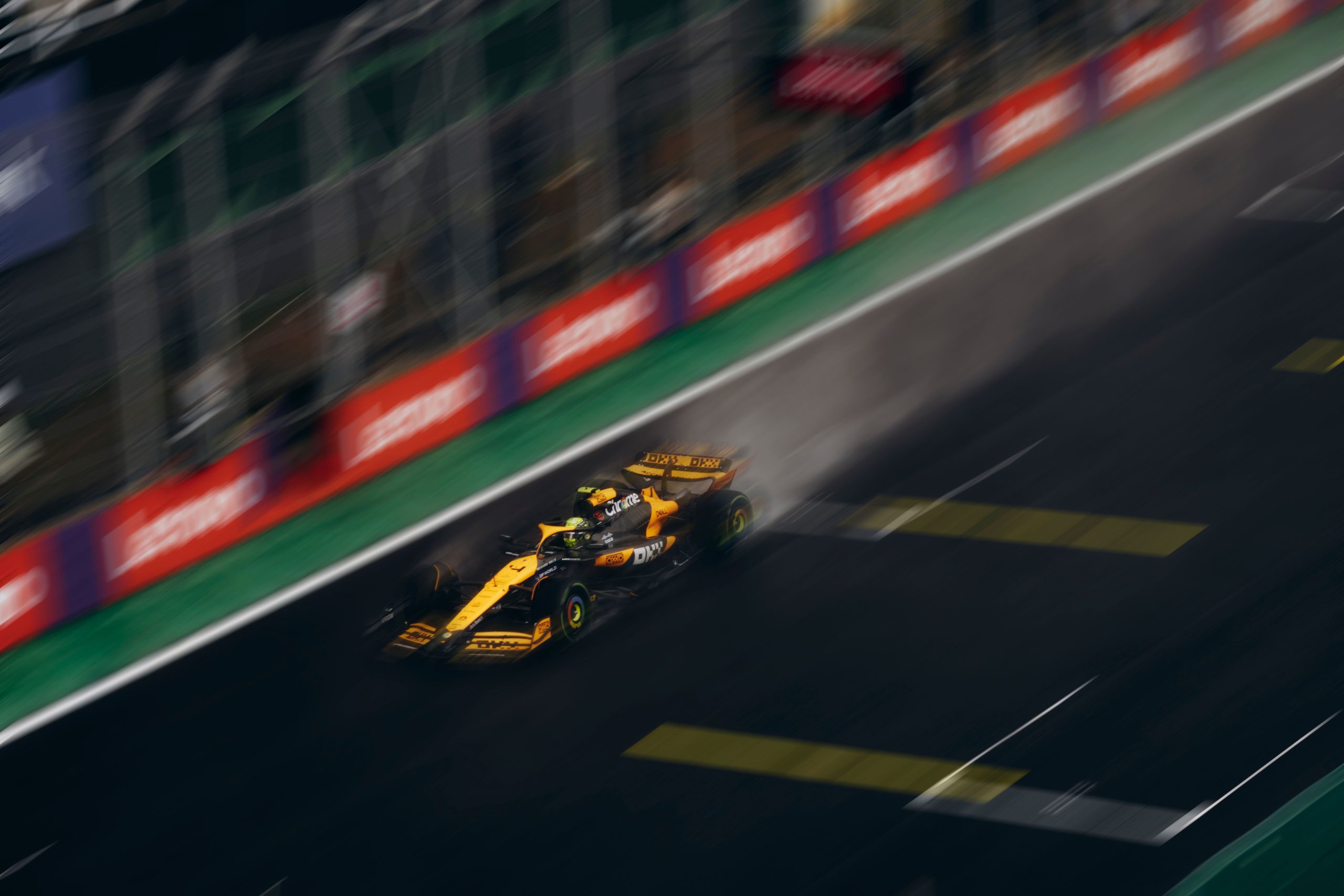
The Las Vegas Strip Circuit is 3.8 miles of public streets that, for three weekends every November, transform into one of the most technically demanding and visually spectacular venues on the Formula One calendar. The circuit has recorded 181 overtakes across its three editions and sees top speeds exceeding 225 miles per hour as drivers navigate past the Bellagio, MGM Grand, Caesars Palace, and other iconic Strip landmarks.
The long straights that allow those top speeds are what make Las Vegas strategically interesting for drivers and constructors. The circuit’s main straight along Las Vegas Boulevard creates the highest speed readings on the calendar, demanding aerodynamic packages that balance straight-line velocity against the downforce needed for the circuit’s technical chicanes and corners. The 2025 race saw Max Verstappen win for the second time in Las Vegas, ahead of George Russell and Kimi Antonelli, with Lando Norris taking pole position.
The 2026 race runs November 19-21, following the standard format: three practice sessions and qualifying across Thursday and Friday evenings, with the race itself under lights on Saturday night. The 50-lap race takes place across the 3.8-mile circuit and sees drivers reach speeds of over 346 kph (215 mph). The late-night race start, uniquely suited to Las Vegas’s nocturnal character, has become one of the event’s defining aesthetic features. No other race on the calendar looks quite like this one.
The Permanent Infrastructure Decision
F1’s decision to build permanent infrastructure around the Las Vegas circuit rather than continuing to install and remove temporary elements for each race represents a significant institutional commitment that changes the economics and logistics of the annual event.
Temporary circuits are expensive to set up and dismantle. The steel barriers, grandstands, pit lane facilities, and track surface modifications that a street circuit requires all must be transported, installed, secured, operated, and then removed within tight windows around the event. Each year’s setup in Las Vegas has involved months of preparatory work that begins as early as September for a November race, as the current track lighting installation demonstrates.
Permanent infrastructure amortizes those setup costs across multiple years, reduces the annual disruption to businesses and residents along the circuit route, and improves the reliability and consistency of the racing surface and safety barriers. It also signals to the racing community, to drivers, constructors, and the international audience that watches F1 globally, that Las Vegas is a permanent fixture on the calendar rather than an experiment being evaluated year by year.
The 10-year agreement with LVCVA and Clark County through 2037 is the legal foundation for that permanence. Any infrastructure investment F1 makes around the circuit now can be amortized across fourteen years of remaining race agreements, making investments financially rational that would be unreasonable for a year-to-year arrangement.
The Entertainment Ecosystem Around the Race
Formula One learned from its first Las Vegas year that the race weekend experience extends well beyond the circuit itself, and the 2026 event reflects sophisticated integration of Las Vegas’s entertainment infrastructure into the Grand Prix’s visitor proposition.
The 2026 race will feature a world-class entertainment lineup at the T-Mobile Stage in the T-Mobile Zone at Sphere, with Sean Paul, Disclosure, and Two Friends headlining three nights of live performances during race weekend November 19-21. This concert programming runs simultaneously with the racing schedule, providing entertainment options for ticket holders who want to experience more than just practice sessions and the race itself.
The F1 Academy, the all-female single-seater series, will conclude its 2026 season on the Las Vegas Strip Circuit, remaining the first single-seater support series to race on the streets of Las Vegas. This addition deepens the on-track programming across the race weekend and expands the event’s relevance for fans who follow the development of women’s motorsport alongside Formula One’s main championship.
The connection between F1 and the Sphere is becoming more integrated. The Exosphere’s visual capabilities provide a backdrop for race weekend programming that no other circuit in the world has access to. Night race images of Formula One cars passing beneath a glowing Sphere have become among the most shared motorsport photographs globally.
The 2023 Rocky Start and What Changed
Understanding the 2026 race requires acknowledging what happened in 2023. The inaugural Las Vegas Grand Prix generated excitement and controversy in equal measure. A drain cover came loose during the first practice session, damaging Carlos Sainz’s Ferrari and forcing a two-hour delay that angered fans who had paid premium prices for practice access. Businesses along the circuit complained that the weeks of setup had devastated their November revenue before F1 traffic arrived to compensate. Local residents found the disruption more severe than Las Vegas’s experience with other large events had prepared them for.
The critical context is that most of those 2023 problems were first-year problems that better planning, permanent infrastructure, and accumulated operational experience could address. A city hosting any major international event for the first time learns things that can’t be fully anticipated. Formula One and Las Vegas both learned.
By the 2025 race, the operational improvements were visible. The circuit setup was more efficient. Business disruption protocols were better managed. The entertainment programming was more integrated with the racing schedule. And the attendance numbers, across multiple days of practice, qualifying, and the race itself, demonstrated that Las Vegas had built genuine Formula One fanbase that returned year over year.
The class action lawsuit over the water valve cover incident from 2023 has been settled, removing the most visible ongoing legal legacy of the debut year’s problems.
The Economic Impact Framework
Formula One’s Las Vegas economic impact figures require careful interpretation because the event’s economics differ from typical large convention or entertainment events in several important ways.
Race weekend attendance includes multiple tiers of ticket holders with very different economic profiles. Paddock Club hospitality, which provides access to the teams’ inner sanctum with catering and premium experiences, commands prices that put the average per-ticket revenue substantially above general admission pricing. The hospitality revenue from corporate entertainment at the race significantly exceeds what typical ticketed entertainment generates per head.
The international visitor composition also matters. Formula One’s global fanbase includes a significant proportion of high-income European, Middle Eastern, and Asian visitors for whom Las Vegas is a destination specifically for the race. These visitors spend at levels that domestic visitors rarely match, and they stay longer than typical Las Vegas tourists because the race weekend programs across Thursday through Saturday require extended stays.
Hotels price aggressively during race weekend, with premium Strip properties reaching nightly rates that make even New Year’s Eve look modest by comparison. This pricing reflects genuine demand that outstrips supply, a reliable indicator of economic impact that revenue figures alone don’t always capture.
The 10-Year View and Las Vegas’s Sports Diversification
The F1 agreement through 2037 is part of a deliberate Las Vegas strategy to build a portfolio of recurring anchor events that generate premium economic impact annually rather than depending on one-off events that must be won and renegotiated constantly.
The city’s sports event portfolio is now genuinely diversified. The Golden Knights play 41 home games. The Raiders play 9. The Aces have a full WNBA schedule. The Athletics will add 81 MLB home dates. The iHeartRadio Music Festival runs annually in September. The Formula One Grand Prix runs annually in November. CES anchors January. The World Series of Poker anchors May through July. The NBA All-Star Game and other marquee events rotate through.
Each of these anchor events generates its own economic ecosystem, filling hotel rooms, restaurants, and entertainment venues during specific windows that would otherwise be slower. The F1 Grand Prix specifically targets November, historically one of Las Vegas’s stronger convention months, and elevates it further by adding a global premium audience to the convention traffic already in the city.
Notes for Stakeholders
The Formula One Las Vegas Grand Prix’s evolution from debut to permanent fixture offers insights for anyone working in major event management, destination sports strategy, or urban street circuit development:
First-year operational problems are addressable through institutional learning when the underlying commercial case is strong. Formula One and Las Vegas both recognized that 2023’s problems were startup challenges rather than structural incompatibilities, and invested in solving them.
Permanent infrastructure investment amortized across a long-term agreement changes the economics of annual setup costs. The 10-year LVCVA agreement makes physical infrastructure investment financially rational in ways that year-to-year arrangements cannot support.
Entertainment programming integrated with the sporting event extends the value proposition for ticket holders and lengthens visitor stays. Concert programming at the T-Mobile Zone around race weekend converts single-day race attendance into multi-day Las Vegas experiences.
High-income international audiences generate disproportionate economic impact relative to attendance volume. Formula One’s European, Middle Eastern, and Asian visitor composition produces per-visitor spending that significantly exceeds typical domestic event audiences.
Portfolio diversification of recurring anchor events creates year-round economic impact stability that one-off events cannot provide. Las Vegas’s growing calendar of locked-in annual events reduces volatility that dependence on touring events creates.
November Under the Neon
In ten weeks, the Harmon Avenue lighting that crews are installing this week will illuminate a track that Max Verstappen, Lando Norris, and their competitors will navigate at over 200 miles per hour past the Bellagio fountains. The Sphere will glow. The Strip will transform. And Las Vegas will do what it does with Formula One now: run the race it knows how to run, in the city that decided this was worth staying in for the decade ahead.
Four years in, the debate about whether Formula One belongs in Las Vegas is over. The question now is what the race becomes across the remaining eleven agreements that run through 2037.
Key Takeaways:
- Formula One Las Vegas Grand Prix circuit preparations are actively underway this week with crews installing track lighting on Harmon Avenue overnight through September 25 and again October 26-30
- The fourth edition of the Las Vegas Grand Prix runs November 19-21, 2026, across the 3.8-mile Las Vegas Strip Circuit with races reaching speeds exceeding 215 mph
- F1 has signed a new 10-year agreement with the LVCVA and Clark County running through 2037, with permanent infrastructure planned around the circuit to reduce annual setup costs and disruption
- The 2025 race saw Max Verstappen win his second Las Vegas Grand Prix ahead of George Russell and Kimi Antonelli, with Lando Norris taking pole position
- Entertainment programming includes Sean Paul, Disclosure, and Two Friends headlining three nights at the T-Mobile Zone at Sphere during race weekend November 19-21
- The F1 Academy all-female single-seater series will conclude its 2026 season on the Las Vegas Strip Circuit, deepening on-track programming across the weekend
- The class action lawsuit over the 2023 water valve cover incident that damaged Carlos Sainz’s Ferrari has been settled, removing the most visible legal legacy of the debut year
- Las Vegas’s annual event portfolio now includes Golden Knights, Raiders, Aces, Athletics, iHeartRadio Music Festival, Formula One Grand Prix, CES, and WSOP as recurring anchor events
- The November race weekend specifically targets one of Las Vegas’s stronger convention months, adding premium international racing fans to existing convention traffic
- High-income international F1 visitors from Europe, the Middle East, and Asia generate per-visitor spending that significantly exceeds typical domestic entertainment event audiences