

On Saturday, June 20, 2026, AREA15 did something that runs counter to nearly every instinct in the Las Vegas entertainment business. It opened its gates, and the street beyond them, to anyone who wanted to walk in, charged nothing for admission, and spent the evening introducing its single biggest capital investment of the year, a 200-foot drop ride called Eye Dropper, with free rides for everyone who showed up.
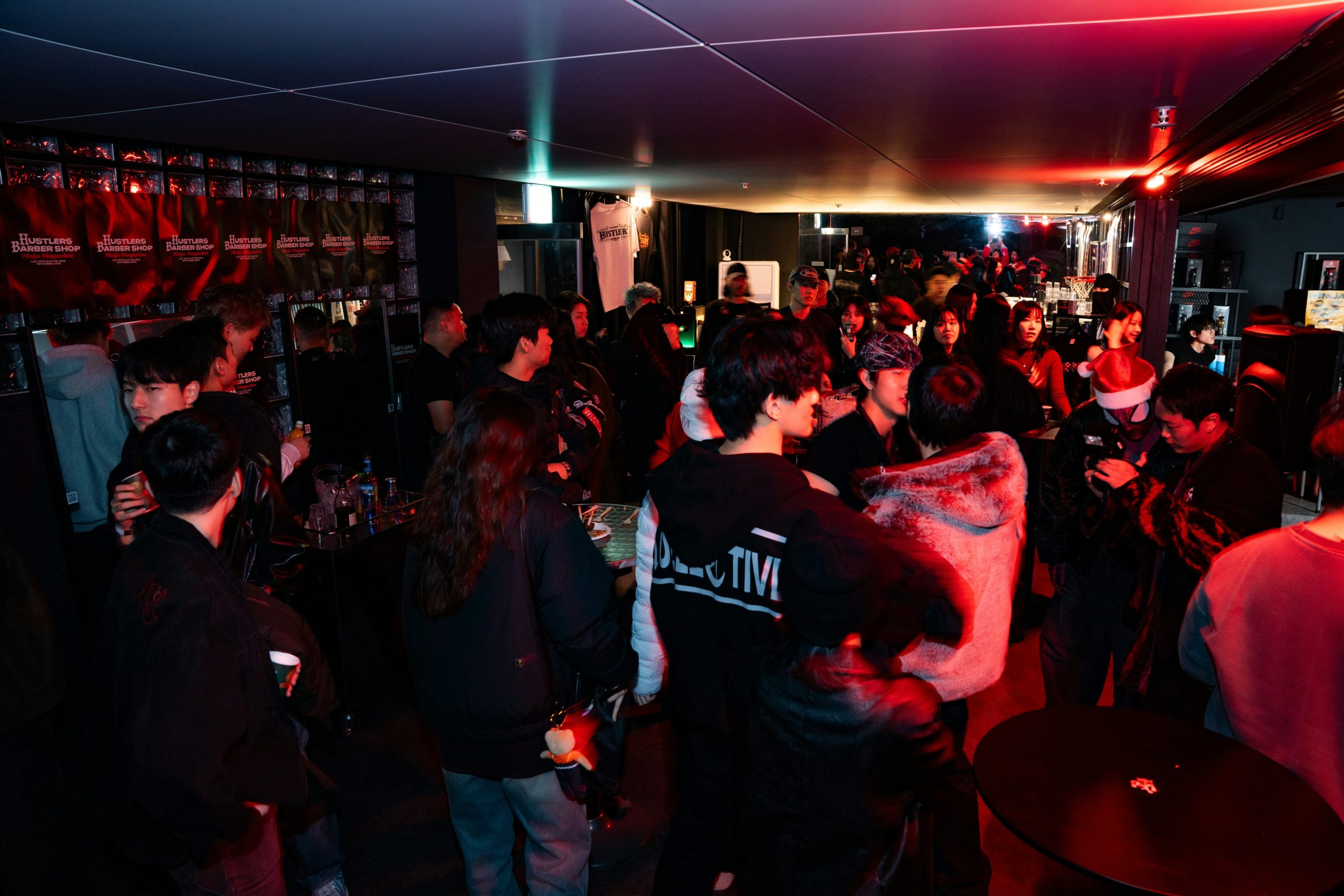
The Mega Block Party ran from 6 to 10 p.m., sprawling across all 40 acres of the district and spilling into the adjacent street and Zone 2. Headliner Cash Cash, the platinum-selling electronic trio behind “Take Me Home” featuring Bebe Rexha, anchored a lineup that also included Tritonal and DJ Snowden. A food festival filled the outdoor A-Lot. A vendor village showcased local businesses. Fireworks closed the night.
Total cost to attend: zero dollars. All ages welcome.
This is either a remarkably generous gesture from a company that does not need the goodwill, or it is one of the more sophisticated customer acquisition plays happening anywhere in Las Vegas entertainment right now. The evidence points strongly toward the latter, and understanding why reveals something important about how experiential entertainment companies are starting to think differently from how casinos and traditional nightlife operators think.
The Free Event as Acquisition Funnel
AREA15 makes money through ticketed attractions, food and beverage, retail, and private events. None of those revenue streams come from charging admission to walk through the district’s outdoor spaces. The Mega Block Party, by being free and open to the street, is functionally a massive top-of-funnel marketing exercise disguised as a community celebration.
The math here is straightforward once you separate it from typical nightlife economics. A paid nightclub event needs to generate revenue from the door because the door is the primary product. A free block party at an entertainment district generates revenue downstream, after the visit, when guests come back to actually use Omega Mart, Illuminarium, Dueling Axes, or the new Eye Dropper ride on a return trip where they pay full price.
This is a classic loss-leader strategy borrowed from retail, where stores will sometimes sell a popular item below cost to drive foot traffic that converts into full-margin purchases elsewhere in the store. AREA15 is applying the same logic at district scale. Get thousands of people through the gates for free, let them experience the space, the vibe, and a taste of what is available, and trust that a meaningful percentage will return as paying customers.
The “all ages welcome” framing matters enormously here. AREA15’s core attractions, Omega Mart, Illuminarium, the various bars and immersive experiences, serve a broad demographic that includes families. A free, all-ages event introduces children and parents to the district in a low-stakes environment. Those families are far more likely to plan a return trip with a ticket budget once they have already experienced the space and know what their kids will enjoy.
The Eye Dropper Calculation
Debuting Eye Dropper, a 200-foot drop ride described as a fully immersive, dimension-driving spectacle that is part thrill ride and part art installation, during a free event rather than behind a ticketed soft launch is a deliberate sequencing decision with real strategic logic.
Major capital attractions face a cold-start problem. A brand-new ride that nobody has experienced yet generates skepticism rather than automatic demand. Will it be worth the money? Is the experience actually as described in marketing materials? These questions create friction that depresses initial attendance and revenue exactly when an operator most wants strong opening numbers to build momentum.
By offering Eye Dropper for free during the Mega Block Party, AREA15 eliminates that friction entirely for a massive sample of potential customers. Thousands of guests experience the ride without financial risk. If the ride delivers on its promise, those guests become advocates. They post videos. They tell friends. They return with paying groups specifically because they already know the ride is worth the money.
This is a more sophisticated launch strategy than the traditional approach of opening a new attraction at full price and hoping word of mouth builds organically over weeks or months. AREA15 compressed that word-of-mouth-building period into a single evening by giving away the experience to as many people as possible simultaneously. The cost of running the ride for free for one night is a rounding error against the capital investment required to build it. The marketing value of instant, large-scale exposure is significant.
Headliner Talent at a Free Event
Booking Cash Cash, an act with legitimate commercial success and RIAA certifications, for a free event represents a meaningful budget allocation that most operators would reserve for ticketed shows. This decision deserves scrutiny because it reveals something about how AREA15 thinks about talent investment differently than traditional nightclub operators.
A nightclub booking a major DJ needs that DJ’s draw to fill the room and justify cover charges and bottle service minimums. The talent fee is recouped directly through admission and beverage revenue generated specifically because that artist is performing. The relationship between artist cost and event revenue is direct and immediate.
AREA15 booking Cash Cash for a free event breaks that direct relationship entirely. The artist fee is not recouped through the event itself. It is recouped, if it is recouped at all, through the downstream conversion of attendees into future paying customers and through the brand value of being able to say a platinum-certified act headlined your free community event.
This is closer to how a city government or tourism board might think about programming a free outdoor festival to drive overall destination appeal rather than how a profit-maximizing nightclub thinks about booking talent. AREA15 occupies an interesting hybrid position: it is a for-profit entertainment company, but it is also positioning itself as a cultural institution and community gathering place in a way that pure nightlife venues do not attempt.
The Locals Play, Examined Again
We have previously examined how Las Vegas operators increasingly recognize the resident population as essential rather than secondary to nightlife economics. The Mega Block Party extends this logic to its furthest point: an event explicitly designed to be a community celebration rather than a tourist attraction.
The framing throughout AREA15’s marketing materials emphasizes locals and visitors alike, but the structure of the event, all ages, free admission, vendor village featuring local businesses like Nikdreamer, Dig This, and OtakuPop, signals a primary orientation toward the resident population rather than Strip tourists who happen to wander over.
This local orientation makes strategic sense given AREA15’s physical positioning. The district sits parallel to the Strip but is not on it, requiring a deliberate decision to visit rather than benefiting from organic foot traffic the way Strip properties do. Building genuine loyalty among Las Vegas residents creates a more reliable demand base than hoping tourists discover the property through word of mouth or algorithm-driven social media exposure.
The vendor village component reinforces this community positioning. By giving local businesses visibility and sales opportunities at the event, AREA15 builds goodwill within the local entrepreneurial and creative community. Those vendors become advocates for the district within their own customer networks, extending AREA15’s reach through channels that paid advertising cannot reach as authentically.
What “First-Ever District-Wide” Signals About Future Plans
AREA15’s own marketing described the Mega Block Party as their first-ever district-wide event of this scale, explicitly framing it as a new category rather than a one-off promotion. This language matters because it signals intent to repeat and likely expand the format in future years.
Companies do not typically invest in headliner talent, new ride debuts, and the operational complexity of closing adjacent streets for a one-time experiment they have no intention of repeating. The “first-ever” framing reads as the launch of an annual or recurring property rather than an isolated marketing stunt.
If this interpretation is correct, the Mega Block Party becomes a template that AREA15 can refine and scale over subsequent years. Future iterations might introduce additional major attractions timed to coincide with the event, expand the geographic footprint further into the surrounding area, or develop the format into a multi-day affair that more directly competes with established Las Vegas festival programming.
The timing in June, coinciding with Juneteenth weekend, also suggests deliberate calendar placement designed to anchor the event to a date with built-in cultural significance and existing demand for celebration and community gathering. Establishing a fixed annual date, even loosely tied to a meaningful weekend, helps build the kind of automatic awareness and anticipation that successful recurring events depend on.
The Off-Strip Destination Building Strategy
AREA15’s broader strategic challenge has always been building sufficient destination gravity to justify the trip away from the Strip’s overwhelming density of built-in foot traffic. Every dollar AREA15 spends on programming serves this larger goal: establishing itself as a place worth the deliberate choice to visit.
The Mega Block Party serves this strategy efficiently because free, large-scale, talent-backed events generate disproportionate media coverage and word-of-mouth relative to their cost. Local news outlets covered the Eye Dropper debut. Event calendars and local publications promoted the headliner lineup. This earned media exposure builds general awareness of AREA15 among people who may never have specifically planned a visit otherwise.
Compare this to the marketing cost of generating equivalent awareness through paid advertising alone. Reaching the same breadth of audience through digital ads, billboard placements, or radio spots would cost significantly more than the incremental cost of adding free programming to an event the district was likely already planning to host in some form.
The strategy also builds a different kind of relationship with the local market than pure advertising can achieve. Guests who attend a free, well-executed event with genuine production value and credible talent develop positive associations with the brand based on direct experience rather than marketing messaging. That experiential relationship is more durable and more likely to convert into actual paying visits than impressions generated through traditional advertising channels.
Key Insights
Free admission events function as customer acquisition funnels for destinations whose actual revenue comes from downstream paid attractions, food, beverage, and retail rather than admission itself, applying retail loss-leader logic at entertainment district scale. Launching major capital attractions through free, large-scale sampling events compresses the word-of-mouth building period and de-risks consumer skepticism about new, unproven experiences before charging full price.
Headliner talent booking decoupled from direct admission revenue signals a strategic orientation toward brand-building and destination positioning rather than pure event profitability, treating talent cost as marketing investment rather than recoupable expense. Community-oriented, all-ages, locally-vendor-inclusive programming builds resident loyalty and word-of-mouth advocacy that is more durable and authentic than advertising-driven awareness, particularly valuable for off-Strip properties lacking organic tourist foot traffic.
First-ever district-wide framing combined with calendar placement near culturally significant dates signals intent to establish a recurring annual property rather than a one-time promotional experiment.
Notes for Operators Considering Similar Strategies
The free mega-event model is not universally applicable. It works for AREA15 because the company’s revenue model depends on repeat visitation and downstream conversion rather than admission-gated experiences. A traditional nightclub or dayclub cannot adopt this model directly because admission and bottle service are the primary revenue mechanisms, not secondary ones.
Properties considering similar strategies need to honestly assess whether their business model supports loss-leader programming. The question is not whether a free event would generate goodwill, most would, but whether the operator has sufficient downstream paid offerings to convert that goodwill into revenue within a reasonable timeframe.
The talent investment required to make a free event feel premium rather than thin is significant, and operators need realistic budgets for booking acts capable of generating the kind of media coverage and attendee enthusiasm that justifies the marketing spend. A free event with mediocre programming generates the opposite of the intended effect, signaling that the venue does not invest seriously in its offerings.
Finally, the operational complexity of large-scale free events, security, capacity management, vendor coordination, and the logistics of closing adjacent streets, requires organizational capability that smaller operators may not have. AREA15’s ability to execute the Mega Block Party at this scale reflects years of operational experience managing a 40-acre, multi-attraction property. Operators without comparable infrastructure should calibrate their ambitions accordingly before attempting to replicate this approach.