

The Tournament That’s Everywhere Except Where the Games Are
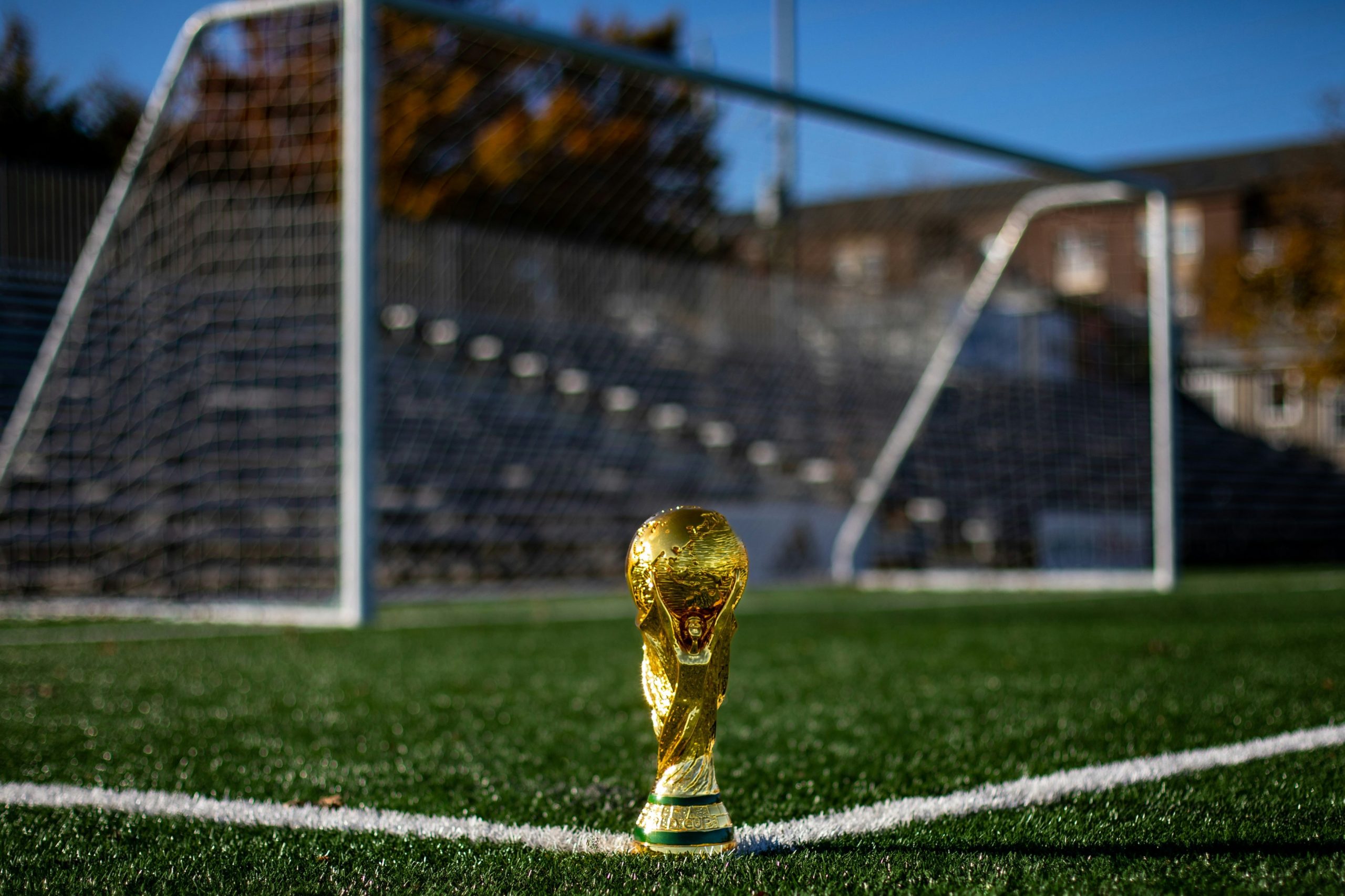
The 2026 FIFA World Cup kicked off June 11 across 16 host cities in the United States, Canada, and Mexico. Las Vegas is not one of them. No group stage matches, no knockout rounds, no Allegiant Stadium fixture list. And yet, two weeks into the tournament, Las Vegas is one of the most talked-about destinations of the entire World Cup season, drawing international fans to jumbo screens across the Strip even though the actual soccer is happening somewhere else entirely.
This is the story playing out across Circa, Fontainebleau, Caesars properties, Resorts World, the Venetian, and dozens of other venues right now. Local tourism leaders and casino operators built an entire parallel World Cup economy around watching the tournament rather than hosting it, and the early results suggest the bet is working. Analysts are now describing what Las Vegas pulled off with a specific term: event substitution tourism. The city replaced spectator access to the actual matches with an entertainment experience so compelling that fans are choosing to travel here anyway.
The tournament runs 39 days, June 11 through July 19, with 104 matches across an expanded 48-team format, the largest World Cup ever held. Every single match is being shown somewhere in Las Vegas. Most are being shown in multiple places simultaneously, each with its own theme, sponsor activation, and crowd.
The Geography That Makes This Work
Las Vegas’s case for World Cup tourism rests on a geographic argument that tourism officials have leaned into heavily. Los Angeles, which hosts several matches, sits a four-hour drive away. San Francisco and Dallas, also host markets, are both under three hours by air. This puts Las Vegas inside the practical travel radius for fans who want to attend live matches in nearby cities while basing their trip somewhere with more reliable hotel availability, better nightlife, and lower overall costs than the host cities themselves during tournament weeks.
This positioning matters because World Cup host city hotel markets behave unpredictably during the tournament. Prices spike unevenly depending on which teams are playing nearby and when. A fan who wants to see USA play in Los Angeles but doesn’t want to gamble on Los Angeles hotel pricing can base in Las Vegas, fly or drive in for the match, and return to a city built specifically to entertain them for the rest of their stay.
The watch party infrastructure adds a second, independent reason to visit that doesn’t require any travel to a host city at all. A fan who simply wants the World Cup atmosphere, the crowd energy, the shared communal experience of watching matches with passionate strangers, can get all of that in Las Vegas without ever setting foot in a stadium. For many international visitors, this combination of nearby live-match access plus a guaranteed world-class viewing experience locally is more attractive than betting everything on a single host city trip.
What the Watch Party Economy Actually Looks Like
The scale of Las Vegas’s World Cup programming is difficult to overstate. Circa Resort is running watch parties at Stadium Swim and the world’s largest sportsbook for every USA match (June 12, 19, and 25) and every Mexico match (June 11, 18, and 24), alongside dozens of other fixtures. The property’s June 19 program alone includes a Team USA pep rally on the Fremont Street Experience at 9 a.m., a meet and greet with former AFC Bournemouth player Steve Fletcher at 10 a.m., and the USA vs. Australia watch party at Stadium Swim at noon featuring a Circa x AFC Bournemouth jersey giveaway.
Caesars Entertainment built an entire program called “Soccer on the Strip,” with reserved ticketed seating at sportsbooks across Planet Hollywood, Paris Las Vegas, Harrah’s, The Linq, and Caesars Palace. Guy Fieri’s Flavortown Sports Kitchen at Horseshoe offers viewing packages starting at $25 with guaranteed seating and a complimentary drink. Fontainebleau is running poolside viewing at Oasis Pool with Jim Beam activation, whiskey lemonades, and themed popsicles for $25 admission.
Smaller venues are participating just as aggressively. Electra Cocktail Club at the Venetian runs daily watch parties on a 40-foot screen from 3 to 11 p.m. through the entire tournament. F1 Arcade at the Forum Shops offers walk-in viewing with upgrade packages including racing simulator time. Asylum Bar inside Area 15 pairs watch parties with 15% off jerseys at the on-site Multiverse Depot retailer. Even Las Vegas Lights FC, the city’s own minor league soccer club, is hosting watch parties at PKWY Tavern locations and planning a World Cup Final event on July 19 with team mascot Viva and player appearances.
This density of programming means a soccer fan visiting Las Vegas during the tournament has dozens of viewing options at every price point, from free walk-in bars to $400 all-inclusive Circa packages bundling room, premium viewing, and amenities into a single World Cup home base offer.
The International Travel Pattern
Travel industry analysis of the 2026 World Cup surge shows uneven but significant demand across specific international markets feeding into Las Vegas. Mexico represents the largest volume of traveling fans, with government tourism projections suggesting the heaviest international travel surge will arrive during the knockout phase rather than the group stage. Germany and the United Kingdom show higher leisure spending per trip than other markets, an important data point for hotels and restaurants calibrating which international visitors to court most aggressively.
Airlines are seeing this demand unevenly. Delta has observed increased demand on specific transatlantic routes to England and Germany. United is seeing fuller flights to Japan and Latin American destinations. American Airlines is benefiting from increased business travel tied to Mexico. This patchwork pattern, rather than a uniform demand surge, means Las Vegas tourism officials need sophisticated targeting rather than blanket marketing. A campaign aimed at German fans needs different messaging and channels than one aimed at Brazilian or Japanese visitors.
Las Vegas’s approach has been to build viewing infrastructure broad enough to serve all of these markets simultaneously rather than picking favorites. Circa’s programming around Mexico matches sits alongside its USA programming and its general tournament coverage, ensuring that whichever country’s fans show up on a given day, there’s a dedicated experience waiting for them.
The Convention and Visitors Authority’s Bet
The Las Vegas Convention and Visitors Authority’s strategy throughout this tournament has been explicit: position the city as a global fan hub using existing entertainment infrastructure rather than building new stadium capacity that would only be useful for one summer. This is a notably different approach than what a host city must do, where stadium upgrades, transportation infrastructure, and security planning all require massive capital investment tied to a single event.
Las Vegas instead repurposed assets it already had. Sportsbooks that operate year-round became match-day fan zones. Pool decks that exist for daily tourist use became viewing venues. Restaurants that serve regular menus added soccer-themed specials. This asset-light approach means the World Cup investment is mostly marketing and programming rather than construction, which limits downside risk if international travel patterns don’t materialize exactly as projected.
The approach also means none of this infrastructure disappears after July 19. The sportsbooks, pools, and restaurants that hosted World Cup viewing parties continue operating normally afterward, ready to be reactivated for the next major global sporting event without additional capital investment. This is the same playbook Las Vegas used to capture economic value from the Stanley Cup Final without owning an NHL team in every market, and from major boxing and UFC events without hosting every fight personally.
What Hospitality Operators Are Actually Seeing
While comprehensive June data is still being compiled, early indicators from venue operators suggest the watch party strategy is generating meaningful traffic. Properties that built dedicated World Cup programming are reporting strong attendance at viewing events, particularly for USA and Mexico matches that draw both passionate fans and casual visitors curious about the atmosphere.
The economic impact flows through multiple channels simultaneously. Hotels see occupancy increases on dates aligned with marquee matches, even though no games are played locally. Food and beverage revenue rises as venues sell themed menu items, beer towers, and premium seating packages tied to specific matches. Retail benefits from jersey sales and World Cup merchandise, exemplified by the Circa collaborations with AFC Bournemouth and the streetwear brand FEATURE. Nightlife venues that wouldn’t normally see daytime traffic are filling during group stage matches that air at noon and early afternoon local time, capturing revenue during hours that are typically slow on the Strip.
This multi-channel revenue capture is precisely what tourism leaders mean when they describe Las Vegas as converting “spectator travel and tourism spending into entertainment spending.” The city isn’t capturing ticket revenue from World Cup matches because it doesn’t have any. It’s capturing everything around the margins of fandom: the hotel room, the meal, the drink, the merchandise, the cover charge.
The Comparison to Host Cities
Host cities like Atlanta, Los Angeles, and Dallas face a different and in some ways more complicated economic calculation. They benefit from ticket revenue, broadcast rights fees flowing through local economic activity, and the prestige of hosting world-class sport. But they also bear infrastructure costs, security expenses, and the logistical burden of managing massive crowds converging on stadium districts for weeks at a time.
Las Vegas avoids nearly all of these costs while still capturing substantial tourism revenue. The city doesn’t need additional police deployment for stadium crowd control. It doesn’t need temporary transportation infrastructure to move tens of thousands of fans to and from a single venue. It doesn’t need to coordinate with FIFA on security protocols, ticketing systems, or any of the dozens of operational requirements that come with official host city status.
What Las Vegas does need is exactly what it already does better than almost any other American city: entertainment programming, hospitality coordination, and marketing that makes visitors feel like they’re at the center of something big even when the literal center of that thing is somewhere else. This is a skill Las Vegas has refined over decades with award shows, championship fights, and major concerts that draw global attention without requiring the city to be the actual site of competition.
Notes for Stakeholders
The World Cup watch party phenomenon offers insights for anyone working in destination marketing, hospitality programming, or major event strategy:
Major global events create value capture opportunities independent of official hosting status. Cities adjacent to or simply popular near host markets can build substantial tourism programs around an event without bearing infrastructure costs of formal participation.
Asset reuse beats new construction for event-driven tourism. Repurposing existing sportsbooks, pools, and restaurants for themed programming captures revenue with minimal capital risk compared to building dedicated event infrastructure.
International demand requires market-specific targeting, not blanket campaigns. Uneven travel patterns among Mexican, German, British, and Japanese fans mean successful programming serves distinct audiences with tailored experiences rather than one-size-fits-all marketing.
Geographic proximity to host cities extends reach without hosting burden. Las Vegas’s position within driving or short-flight distance of Los Angeles, San Francisco, and Dallas creates a feeder market relationship that benefits both the host cities and Las Vegas simultaneously.
Permanent infrastructure investment outperforms event-specific build-out. Because Las Vegas’s World Cup venues operate year-round regardless of the tournament, there’s no stranded asset risk once the event concludes.
The Long Tail of This Strategy
The World Cup runs through July 19, and Las Vegas’s programming will scale with the tournament calendar, intensifying during the knockout rounds when fewer matches mean concentrated, must-watch viewing windows. The Final itself, hosted elsewhere but watched everywhere, will likely produce Las Vegas’s single biggest watch party day of the summer.
What happens after July 19 matters as much as the tournament itself for evaluating whether this strategy succeeded. Did Las Vegas’s hotel occupancy and gaming revenue show measurable lift during the tournament window compared to a typical June and July? Did international visitor data show meaningfully higher representation from World Cup-following nations? Will the watch party infrastructure and sponsor relationships built this summer translate into future programming for events like the 2030 World Cup or other global tournaments?
Las Vegas has effectively run a large-scale experiment in event substitution tourism with a globally watched proof point. If the data supports what venue operators are anecdotally reporting, expect this playbook to become standard practice for the next major global sporting event the city doesn’t host. Which, given how rarely Las Vegas hosts marquee international tournaments directly, might be most of them.
Key Takeaways:
- Las Vegas is not an official 2026 FIFA World Cup host city but has built an extensive watch party economy spanning Circa, Caesars properties, Fontainebleau, Resorts World, and dozens of other venues
- Industry analysts describe the strategy as “event substitution tourism,” converting spectator travel demand into local entertainment spending without the costs of formal hosting
- The tournament runs 39 days (June 11–July 19) with 104 matches in an expanded 48-team format, the largest World Cup in history
- Geographic proximity to host cities Los Angeles, San Francisco, and Dallas positions Las Vegas as an ideal home base for fans attending nearby live matches
- International travel demand is uneven across markets, with Mexico representing the largest fan volume and Germany and the UK showing higher per-trip leisure spending
- Major properties built dedicated programming including Circa’s collaborations with AFC Bournemouth and streetwear brand FEATURE, and Caesars’ citywide “Soccer on the Strip” sportsbook program
- The strategy relies on repurposing existing infrastructure (sportsbooks, pools, restaurants) rather than new construction, minimizing capital risk
- Revenue capture spans hotel occupancy, food and beverage sales, retail merchandise, and daytime nightlife traffic during otherwise slow hours
- Las Vegas avoids the security, transportation, and FIFA coordination costs that burden official host cities while still capturing substantial tourism value
- Success metrics for the strategy will depend on measurable lift in summer 2026 hotel occupancy and international visitor data once the tournament concludes