


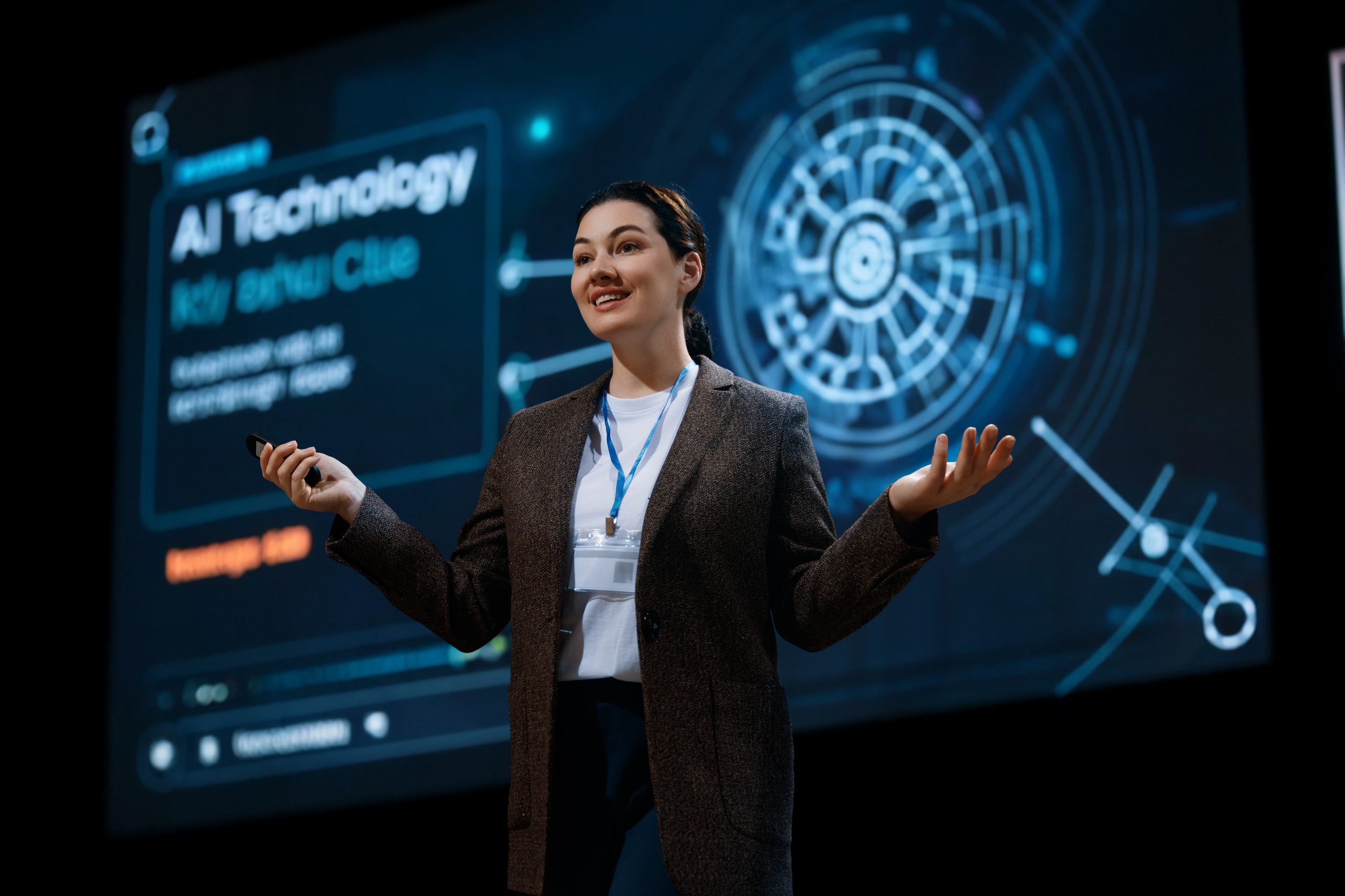
The Las Vegas Convention Center transformed into the world’s largest technology showcase for four days in early January, and what happened there will influence product development, investment decisions, and consumer behavior for the next year at minimum.
CES 2026 drew more than 148,000 attendees across 2.6 million net square feet of exhibit space. The numbers alone fail to capture the energy: over 4,100 exhibiting companies, 1,300 speakers across 400 conference sessions, and enough product launches to fill months of tech journalism. This was not speculation about distant futures. This was deployed technology, signed contracts, and products shipping before summer.
The event also marked a milestone for Las Vegas infrastructure. CES 2026 was the first major trade show following the Las Vegas Convention Center’s completed $600 million renovation. The redesigned Grand Lobby now serves as the main entrance between North and Central Halls, featuring CTA Stage programming, exhibits, and food service that can handle the crush of thousands moving between sessions.
The AI Reality Check
Artificial intelligence dominated the conversation, but the tone had shifted dramatically from previous years. Gone was the breathless speculation about what AI might someday accomplish. Instead, exhibitors demonstrated systems already integrated into products shipping to consumers.
Nvidia and AMD made major announcements about their next-generation chips designed specifically for AI workloads. These were not research projects. These were production components that manufacturers will build into devices hitting shelves in 2026 and 2027.
Amazon and Google pushed AI integration into physical products, showing how voice assistants and automation systems work together in homes and businesses. The demos focused on practical applications: managing energy consumption, coordinating smart home devices, and automating routine tasks that actually save time.
The shift from theory to practice matters because it changes who attends CES and why they are there. When AI was speculative, the audiences were researchers and enthusiasts. When AI is shipping in products, the audiences are procurement executives, retailers, and investors looking for deployment opportunities.
The Robotics Showcase
Robotics companies occupied significant floor space, demonstrating everything from warehouse automation to personal assistance robots. The variety was striking: industrial robots that could adapt to different manufacturing tasks, service robots designed for hotels and hospitals, and consumer robots that ranged from useful to gimmicky.
What separated serious robotics companies from novelty exhibits was the business model. Companies with clear revenue paths focused on specific problems: labor shortages in logistics, consistency in food service, or safety in hazardous environments. These robots were tools designed to perform tasks, not showpieces designed to impress.
Consumer robots faced more skepticism. The technology has improved dramatically, but the use cases remain unclear for most households. A robot that vacuums floors has proven its value. A robot that attempts to be a companion raises questions about need, privacy, and whether technology should fill certain roles.
The robotics sector also highlighted manufacturing challenges. Building sophisticated robots at scale requires supply chains, quality control, and pricing that makes economic sense. Several companies showcased impressive prototypes that likely will never reach consumers because production costs make retail pricing impossible.
Digital Health Goes Mainstream
Digital health technology filled multiple halls, reflecting the sector’s evolution from experimental to essential. FDA approval pathways were discussed as casually as user interface design, indicating how regulated and mature this market has become.
Wearable devices that monitor everything from heart rate to blood glucose levels were everywhere. The technology itself is no longer novel. The differentiation comes from accuracy, ease of use, and integration with healthcare systems that allow doctors to access patient data remotely.
Accessibility features blended seamlessly into mainstream devices rather than being positioned as special accommodations. Hearing assistance, vision enhancement, and mobility aids appeared as default options in products designed for general consumers. This integration represents significant progress in making technology genuinely inclusive.
The pandemic accelerated digital health adoption, and CES 2026 demonstrated that the changes are permanent. Remote patient monitoring, telehealth platforms, and at-home diagnostic tools are now standard healthcare delivery methods rather than emergency alternatives.
Manufacturing’s Moment
CES 2026 introduced a new conference track focused on manufacturing, featuring speakers from the National Association of Manufacturers and SME. Sessions covered technologies, partnerships, and workforce training that power competitive manufacturing.
This addition reflects recognition that consumer technology depends on manufacturing capabilities. The chip shortage, supply chain disruptions, and reshoring conversations have elevated manufacturing from background infrastructure to strategic priority.
Advanced manufacturing technologies on display included AI-driven quality control, robotics that adapt to different production needs, and materials science innovations that enable entirely new product categories. These technologies matter because they determine what products can be built, how quickly, and at what cost.
The workforce training discussions highlighted gaps between available jobs and qualified workers. Manufacturing no longer means assembly line repetition. Modern manufacturing requires technical skills, programming knowledge, and problem-solving abilities that traditional training programs have not emphasized.
The Las Vegas Economic Impact
CES generates massive economic benefit for Las Vegas beyond just the convention itself. Hotels fill across the entire valley, not just properties on the Strip. Restaurants operate at capacity. Transportation services surge. The ripple effects touch every sector of the local economy.
The timing matters strategically. January typically sees slower tourism following the New Year’s rush. CES fills that gap with high-spending business travelers who book premium accommodations, expense meals at upscale restaurants, and often extend stays to experience Las Vegas entertainment.
For restaurants and bars, CES creates a different customer profile than typical Vegas visitors. Business travelers have company credit cards and tight schedules. They want quality meals near their hotels or the convention center. They tip well and return to establishments that provide efficient service.
The convention also drives ancillary business activity. Companies host client dinners, product launches, and networking events across the city. These private events generate revenue for venues, caterers, and entertainment services that supplement the main convention spending.
The Startup Ecosystem
Eureka Park continued showcasing startups solving specific problems in clever ways. The section buzzes with energy that contrasts with the polished corporate booths in the main halls. Founders pitch directly to investors, media, and potential customers in an environment that rewards innovation over presentation budget.
Walking through Eureka Park reveals patterns in what startups are building. Many focus on sustainability: reducing waste, improving energy efficiency, or creating circular economy solutions. Others address accessibility, making technology usable for people with disabilities or specific needs.
The challenge for startups exhibiting at CES is converting attention into revenue. Media coverage is great, but it does not pay bills. Investor meetings matter more than press mentions. Partnership conversations with established companies can provide distribution channels that startups cannot build alone.
Success stories from previous CES events motivate current exhibitors. Companies that started in Eureka Park have grown into major players. Ring began as a startup at CES before Amazon acquired it. Numerous other companies trace their growth to connections made during the convention.
The Energy and Infrastructure Conversations
Energy discussions at CES 2026 covered solar, storage, nuclear, and fusion without the ideological tension that previously characterized these conversations. The focus was pragmatic: grids, resilience, and demand curves driven by data centers and AI workloads.
This shift matters because data centers powering AI services consume enormous amounts of electricity. As AI deployment accelerates, energy infrastructure must keep pace. The companies building that infrastructure were at CES discussing solutions with the companies creating the demand.
Electric vehicle charging infrastructure also featured prominently. As EV adoption grows, charging networks must expand to support it. The technology has matured significantly, with faster charging times and better integration with power grids.
Looking Beyond 2026
CES has fully reasserted itself as the place where technology stops being hypothetical and starts being contractual. The deals signed during those four days influence product roadmaps, manufacturing decisions, and retail strategies for years.
For Las Vegas, CES represents validation that the city can host premier business events that extend beyond entertainment and gaming. The convention center renovation, the transportation improvements, and the accommodation options position Vegas to compete with any city globally for major conventions.
The technology showcased at CES 2026 will appear in homes, hospitals, factories, and offices throughout the coming year. Some products will succeed. Others will fail. But the ideas, the connections, and the momentum generated during those four January days in Las Vegas will shape technology development well into the future.
Key Takeaways
CES 2026 demonstrated the shift from speculative technology to deployed systems already shipping to consumers and businesses. The Las Vegas Convention Center’s $600 million renovation successfully supported the event’s scale while improving attendee experience.
AI and robotics dominated discussions, but the focus was practical applications rather than distant possibilities. Digital health technology has matured into a regulated, essential sector integrated with mainstream healthcare delivery.
The economic impact extends far beyond convention fees to fill hotels, restaurants, and entertainment venues across Las Vegas during typically slower January weeks. CES validates Las Vegas as a premier destination for major business conventions beyond its traditional entertainment focus.
For the technology industry, CES remains the essential annual gathering where products launch, deals close, and the coming year’s innovation priorities are established. The 2026 event reinforced that position while demonstrating how quickly speculative technology becomes consumer reality.
Sources:
– CES Official Website: https://www.ces.tech/press-releases/ces-2026-the-future-is-here
– Technology Conference CES Coverage: https://technologyconference.com/ces-2026-january-7-10-las-vegas/
– TechCrunch CES 2026 Coverage: https://techcrunch.com/storyline/ces-2026-follow-live-for-the-best-weirdest-most-interesting-tech-as-this-robot-and-ai-heavy-event-wraps/