



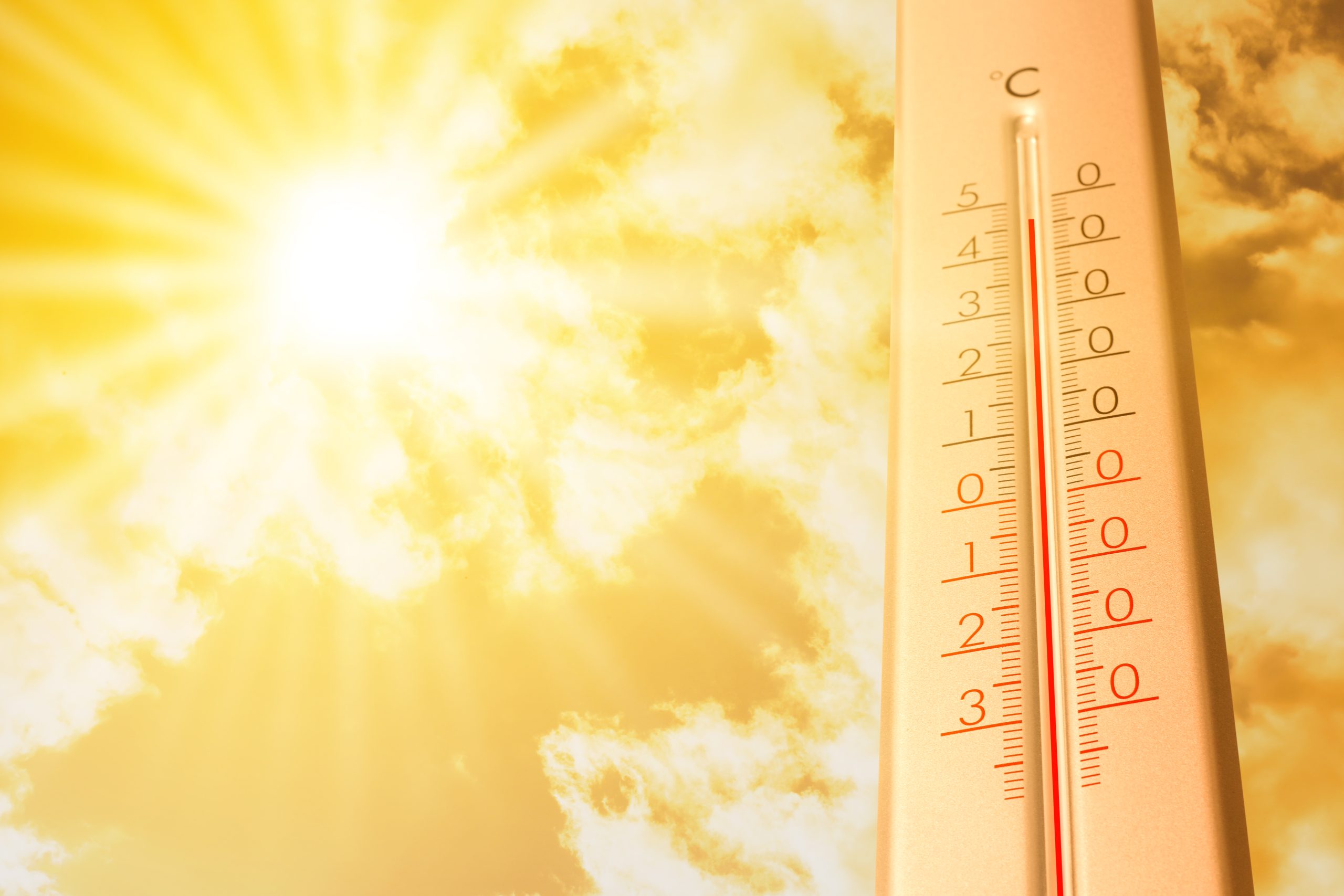
The National Weather Service in Las Vegas posted the numbers on February 2, 2026, with the bureaucratic detachment that government agencies use to report facts that should alarm everyone. January 2026 ranked as the fifth-warmest January since record-keeping began in 1937. Average temperature: 52.1 degrees, which was 2.6 degrees above normal.
The month was also notably dry, with only 0.14 inches of rainfall recorded. For perspective, that’s barely enough moisture to dampen the pavement.
Those numbers would have generated headlines and concern a decade ago. Now they barely register. Las Vegas residents have become numb to record-breaking temperatures. Another warm winter? Of course. Another dry month? What else is new. The climate crisis isn’t coming to Southern Nevada. It’s already here, and we’re living in it.
The Temperature Trend Nobody Wants to Discuss
Las Vegas is the fastest-warming city in America. That’s not hyperbole or activist rhetoric. It’s data from Climate Central, a nonprofit research organization that analyzes temperature trends. The city’s average temperature has risen about 2.8 degrees Fahrenheit since 1970. More than three degrees of that warming has occurred just in the past 20 years.
January 2026 demonstrated this trend perfectly. On January 18, temperatures hit 71 degrees, tying a record set in 1962. Throughout the month, afternoon highs regularly reached the low 70s, which is roughly 10 to 13 degrees above the historical average for January.
That difference sounds small. Who cares about 10 degrees when you’re used to 115-degree summer days? But the difference is massive for ecosystems, water conservation, and long-term habitability. Las Vegas relies on cool winters for several critical functions that warm Januaries undermine.
First, cooler temperatures reduce water demand. When it’s 57 degrees in January, people don’t run sprinklers or fill pools as aggressively as when it’s 71 degrees. That small behavioral change, multiplied across millions of residents and visitors, affects total water consumption.
Second, winter precipitation and mountain snowpack feed the Colorado River system. When temperatures stay warm across the Southwest, less snow accumulates in the Sierra Nevada and Rocky Mountains. Less snowpack means less spring runoff. Less runoff means less water flowing into Lake Mead. Las Vegas gets 90% of its water from Lake Mead, so that equation matters more than any other climate factor.
Third, warm winters disrupt local ecosystems in ways that cascade through the environment. Plants bloom earlier. Insects emerge before their predators are active. Migratory birds arrive to find food sources depleted. These disruptions seem minor individually but accumulate into ecosystem instability.
The Regional Pattern
Las Vegas isn’t experiencing this warming in isolation. From Phoenix to Palm Springs, California, cities across the Southwest logged January highs 10 degrees or more above average. The same pattern has meant drier conditions and reduced snowpack across the mountain ranges that feed the Colorado River Basin.
According to federal studies, extreme agricultural and ecological drought events that once occurred every 10 years are now 1.7 times more likely. The odds of a two-decade megadrought lasting through the 2030s have risen from about 12% historically to more than 60% today.
Read those numbers again. A 60% chance of continuous severe drought for the next decade. That’s not a weather forecast. That’s a habitability crisis.
The Colorado River allocation provides only so much water, and competing demands from agriculture, other states, and existing residents constrain how much can go to new development or increased consumption. Las Vegas has made remarkable progress in water conservation, reducing per capita usage significantly over the past 20 years. But conservation has limits. You can’t conserve water that doesn’t exist.
What Warm Januaries Actually Mean
Most Las Vegas residents think of climate change as a summer problem. Hotter peak temperatures, more 110-degree days, longer heat waves. Those impacts are real and dangerous. But warm winters pose equally serious threats to the city’s long-term viability.
Water utilities plan infrastructure based on historical usage patterns and supply forecasts. When both demand and supply change simultaneously, those plans become unreliable. Warm winters increase demand while reducing supply through decreased snowpack. That squeeze creates shortages that can’t be solved through better management alone.
Construction and development depend on assumptions about water availability. New housing communities, hotels, casinos, and commercial projects all require water allocation commitments. When those allocations become uncertain because of climate-driven supply reductions, growth becomes constrained or impossible.
Tourism, the economic engine that drives Las Vegas, faces climate risks that most visitors don’t consider. People come here in winter partly because it’s pleasant outside. January temperatures in the upper 50s allow comfortable outdoor activities, golf, hiking, and walking between casinos. January temperatures in the low 70s remain pleasant, but they edge toward the heat that makes summer uncomfortable. If winter temperatures continue warming, Las Vegas loses some of its seasonal tourism appeal.
The urban heat island effect compounds these problems. Concrete, asphalt, and buildings absorb and retain heat more than natural landscapes. Las Vegas has become a massive heat sink that stays warmer than surrounding desert areas, particularly at night. Warmer nights mean less cooling between hot days, which affects energy consumption, health outcomes, and quality of life.
The 2025 Context
To understand how unusual January 2026 was, consider that it came after 2024, which tied 2017 for the warmest year in Las Vegas history at 72.3 degrees average annual temperature. The city just completed its warmest year on record, then immediately had its fifth-warmest January.
That’s not natural variability. That’s a trend.
July 2024 set the all-time high temperature record at 120 degrees, breaking the previous mark of 117 degrees set in 1942. The summer of 2024 was the hottest on record in California and one of the warmest in Nevada.
The pattern is clear: temperatures are rising, records are falling regularly, and the pace of change is accelerating. Climate models predicted this decades ago. Now we’re living through the predictions.
The Response Gap
Las Vegas has taken some climate adaptation measures. The Southern Nevada Water Authority has invested in conservation programs, infrastructure improvements, and alternative water sources. The city has planted trees, created cooling centers, and updated building codes to improve energy efficiency.
But these efforts, while valuable, don’t address the fundamental challenge: Las Vegas is a large metropolitan area in a desert that’s getting hotter and drier. No amount of conservation or adaptation changes that basic equation.
Some cities facing similar climate pressures have begun difficult conversations about managed retreat or population caps. Should growth continue indefinitely in regions where water scarcity is worsening? Should development be allowed in areas that will become uninhabitable within decades?
Las Vegas hasn’t had those conversations yet. The city’s economy depends on growth, and growth requires water. Admitting that growth might need to stop or reverse runs counter to everything Las Vegas represents. But at some point, physical constraints trump economic aspirations.
The National Implications
What happens in Las Vegas matters beyond Nevada. The Colorado River serves seven states and Mexico. Water allocation fights between these jurisdictions will intensify as supply diminishes and demand remains constant or increases. Those conflicts have legal, political, and economic dimensions that could reshape the American Southwest.
Las Vegas is also a test case for climate adaptation in arid regions. If a wealthy, technologically advanced city with strong institutions can’t successfully adapt to increasing heat and drought, what hope do less developed regions have? The lessons learned here, positive or negative, will inform climate policy nationwide.
The tourism industry provides another national connection. Las Vegas attracts millions of visitors annually from across the country and world. If climate change makes the city less appealing or viable as a destination, that affects not just Nevada’s economy but the broader hospitality and entertainment sectors.
The Uncomfortable Truth About Infrastructure
Every piece of infrastructure in Las Vegas was designed based on historical climate conditions. Water treatment plants, power generation facilities, roads, buildings, landscaping. All of it assumes temperature ranges and precipitation patterns that no longer apply.
Replacing or upgrading that infrastructure to handle new climate realities requires massive investment. Who pays? Federal government? State? Local taxpayers? Casino corporations? The funding mechanisms haven’t been established because the political will to confront climate costs doesn’t exist.
Meanwhile, the infrastructure degrades faster than expected because heat stress causes materials to fail sooner. Asphalt softens and rutted at extreme temperatures. Concrete expands and contracts more dramatically. Electrical systems strain under increased cooling demand. These accelerated degradation curves aren’t built into maintenance budgets.
What February Brings
The National Weather Service forecast for early February 2026 continued the warm trend. High temperatures in the 70s all week. Mostly sunny skies, light winds, warm temperatures through the work week. The mild pattern extends into a month that historically provides some of the coolest weather Las Vegas experiences.
For residents, that means pleasant days for outdoor activities, lower heating bills, and comfortable conditions for tourism and recreation. Those are immediate benefits that feel good in the moment.
For the long-term sustainability of Southern Nevada, it means another month of above-average temperatures, continued stress on water resources, and acceleration of climate trends that threaten the region’s future habitability.
The disconnect between short-term comfort and long-term crisis is why climate change remains difficult to address. When warm January weather feels nice, it’s hard to recognize it as evidence of a system breaking down. But that’s exactly what it is.
The Question Nobody Wants to Answer
How long can Las Vegas exist in its current form? That question has no precise answer because it depends on variables we can’t predict: future precipitation patterns, technological breakthroughs in water conservation, political decisions about Colorado River allocation, migration patterns as climate refugees leave other regions.
But the range of possible answers is narrowing. Optimistic scenarios assume aggressive conservation, significant infrastructure investment, favorable policy changes, and slower-than-expected warming. Even under those assumptions, Las Vegas faces major challenges within decades.
Pessimistic scenarios, which unfortunately align more closely with current trends, suggest serious habitability problems within the lifetime of children born today. Not extinction or total abandonment necessarily, but significant population decline, economic contraction, and quality of life degradation.
The fifth-warmest January on record doesn’t answer that question. But it provides one more data point in a trend that’s becoming undeniable. Las Vegas is getting warmer, water is becoming scarcer, and the window for effective adaptation is closing.
Most residents won’t read the National Weather Service report. They’ll enjoy the nice weather, play golf in January, and assume everything will work out somehow. That’s human nature. We’re not good at responding to slow-moving crises until they become acute emergencies.
By the time warm Januaries feel like emergencies rather than pleasant surprises, it will be too late to prevent the worst outcomes. We’ll be left managing consequences rather than avoiding them.
And Las Vegas will keep setting temperature records that nobody finds surprising anymore.
Key Insights
Las Vegas’s 2.8-degree temperature increase since 1970, with over three degrees occurring in just the past 20 years, represents the fastest warming rate of any American city and demonstrates accelerating rather than linear climate change.
Warm winters create a dual crisis by simultaneously increasing water demand through behavioral changes while reducing supply through decreased mountain snowpack that feeds the Colorado River system providing 90% of Las Vegas’s water.
January temperatures 10-13 degrees above historical averages may seem minor compared to summer extremes, but represent critical disruptions to ecosystems, water conservation cycles, and infrastructure designed for historical climate conditions.
The 60% probability of a two-decade megadrought lasting through the 2030s transforms water scarcity from a management challenge into a fundamental habitability question that Las Vegas has not yet seriously confronted through growth restrictions or long-term adaptation planning.
Sources
Las Vegas Sun Record Temperatures Analysis
Las Vegas Sun Fifth-Warmest January
National Weather Service Las Vegas
Climate Central Data