

Las Vegas Live | Sports Business Case Study | November 13, 2026
Executive Summary
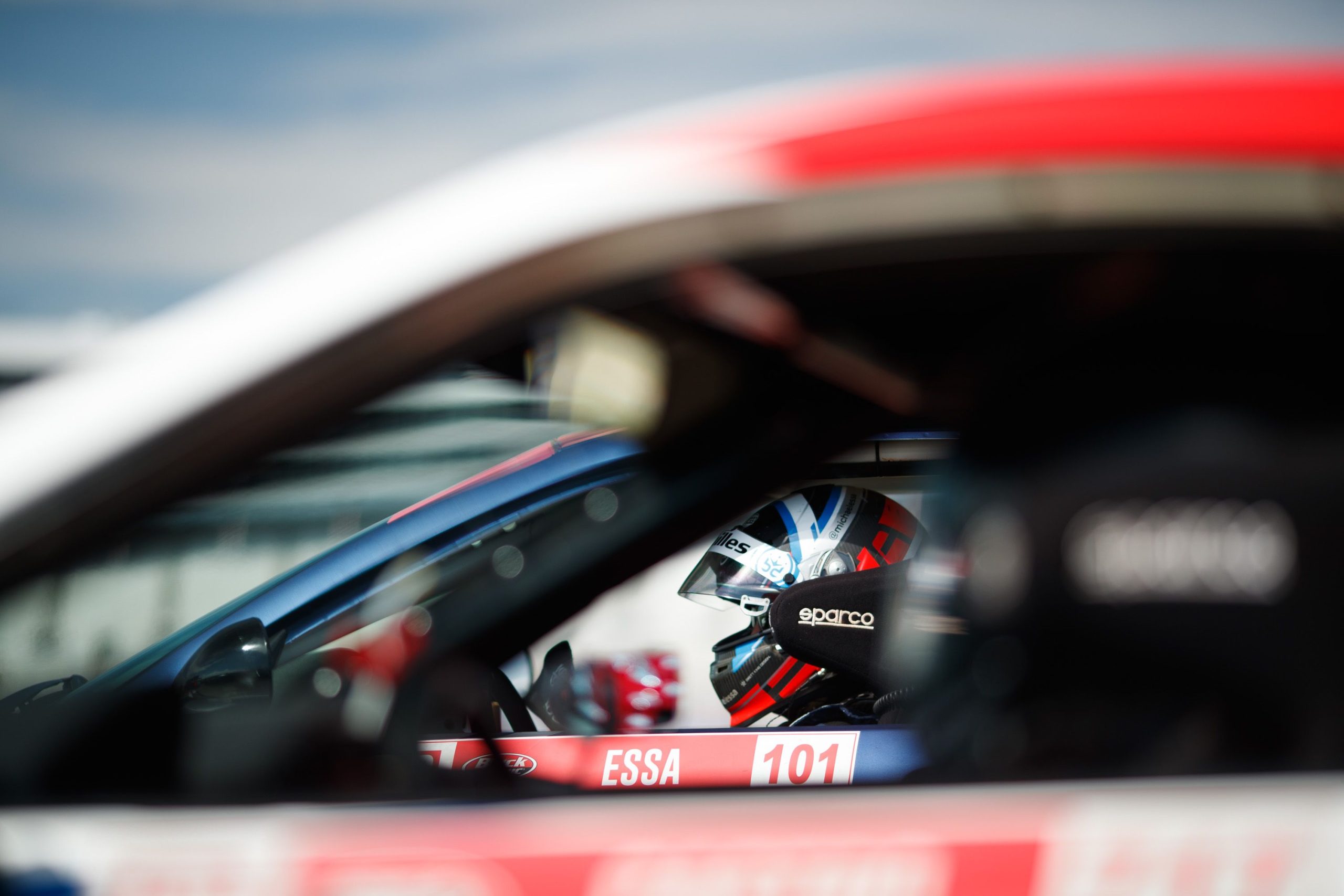
Las Vegas has two motorsport businesses that look like competitors and mostly are not. The Las Vegas Motor Speedway has hosted NASCAR since 1998. The Formula 1 Grand Prix arrived in 2023 and runs on a temporary circuit that includes more than a mile of the Strip, The Nevada Independent reported in November 2025.
The more interesting split is among casino companies. High-end resorts such as Wynn and MGM report strong F1 pricing. Boyd Gaming says F1 has done nothing for it. This case looks at what that disagreement says about who the race is really for.
Strategic Background
The speedway was built in 1996 on about 1,200 acres north of Nellis Air Force Base, per the Independent. It hosts two NASCAR Cup Series races a year, each drawing more than 60,000 fans, plus EDC, which draws more than 100,000, and drag racing, monster trucks, motocross and corporate events. Patrick Lindsey became general manager in March 2025, succeeding Chris Powell, who held the job for 26 years.
The Grand Prix drew 175,000 visitors in 2024 and generated $934 million in Southern Nevada activity, according to Applied Analysis, the article says. The Las Vegas Convention and Visitors Authority estimated the fall 2022 NASCAR race at $138 million. Speedway leaders had no 2024 impact figure.
The article was published in a year when the city was adding sports venues quickly. Since the speedway opened, the market has gained T-Mobile Arena, Allegiant Stadium and Lee’s Family Forum, with a 33,000-seat ballpark expected in April 2028.
Market and Competitive Analysis
The coexistence argument. Gaming consultant Brendan Bussmann said the two races serve different fan segments but can overlap: “They can attract, in some cases, the same customer who just loves racing.” LVCVA chief Steve Hill said the speedway’s hundreds of events complement city tourism rather than compete with it.
The speedway’s reply. Lindsey said the property cannot be limited to motorsports. He called it “an entertainment complex, and we are actually the largest entertainment complex in the city.”
The casino split. Wynn and MGM report strong premium pricing for F1. The Bellagio Fountain Club charges nearly $9,400 per guest for the race, per the Independent. Boyd Gaming CEO Keith Smith said F1 provided no financial benefit to his properties and that NASCAR “appeals more to Middle America,” which fits his customers better. South Point has a multiyear NASCAR sponsorship and sells speedway packages and transportation.
The ticket ladder. The 2026 race offers a $50 Thursday ticket and hospitality above $28,000, according to GPFans. That range sits between the two audiences.
Key Insights
1. Different races serve different casinos. A resort that sells $9,400 fountain-side packages benefits from F1. A locals-focused casino may see little. The same event is a gain for one company and noise for another.
2. The speedway is a diversified business. With EDC, drag racing and corporate events, NASCAR is only one line. F1 is the Grand Prix company’s only product.
3. Temporary circuits impose costs. Closing Strip roads is a cost a permanent track does not have, and a reason some businesses along the route are cool on the event.
4. The market is bigger than the venues. Officials and executives quoted in the article say new venues did not hurt old ones because demand exceeded capacity. That claim is worth testing as events pile up.
5. Premium customers are the common thread. Both series work when they attract customers who spend heavily on rooms, gaming and dining. The difference is who they attract.
Notes
- The Independent article is dated November 16, 2025. I did not find a 2026 update.
- The summary of the article attributed one quote about new venues to an executive whose name may be wrong, so it is described here without attribution.
- Applied Analysis figures for 2024 were released by the race’s organizers and may not be independent.
- The NASCAR figure is for 2022, so it is not comparable to a 2024 F1 number.
Key Takeaways
- Las Vegas Motor Speedway has hosted NASCAR since 1998 and runs two Cup races a year.
- F1 uses a 3.9-mile temporary circuit with more than a mile on the Strip.
- Upper-end resorts report strong F1 pricing, and Boyd says F1 did nothing for it.
- Officials say the two series serve different but overlapping fans.
- The speedway diversifies with concerts, drag racing and corporate events.
Discussion Questions
- When one event benefits some businesses and not others, who decides whether it is good for the city?
- Can two motorsport events share a market without cannibalizing each other?
- How does a venue diversify when its main product is a seasonal race?
- What should casinos that do not benefit from a major event ask of the host city?
- How should a city measure the success of an event that helps only a segment?
Conclusion
F1 and NASCAR do not fight for the same fan. They fight for the same weekend of attention in a city that sells everything.
Whether the market has room for both depends on which customers a resort wants. That answer differs by property.