

Las Vegas Live | Sports Business Case Study | November 13, 2026
Executive Summary
On July 9, Sphere Entertainment Co. and the Formula 1 Heineken Las Vegas Grand Prix announced a five-year extension of their partnership through 2030, according to FOX5 Vegas. Each race week, the Grand Prix will keep using Sphere’s exterior campus, including the Exosphere, the venue’s outer LED screen, as a centerpiece of its programming.
Money was not disclosed and the announcement carried no named executive quotes. That leaves a short public record. This case works out what each side gets, and why a deal like this is a quiet way to lock in one of the race’s most visible assets.
Strategic Background
Sphere Entertainment Co. is New York-based and owns and operates the Las Vegas venue, per FOX5. The company’s own release says the deal covers use of the exterior campus and the Exosphere, which it describes as the world’s largest LED screen, plus continued collaboration on fan experiences and cross-promotional programming, per Sphere’s release and SportsVideo.org’s report.
The extension arrived alongside the 10-year commitment that keeps the race in Las Vegas through 2037, covered in an earlier article in this series. The Sphere deal covers five of those years.
The race weekend includes fan areas around the venue. The T-Mobile Zone general admission starts at $809 for three days and T-Mobile Grandstands, near the Sphere, start at $1,445, according to GPFans. A separate FOX5 link reports that the Backstreet Boys will headline the official Grand Prix afterparty at Sphere.
Market and Competitive Analysis
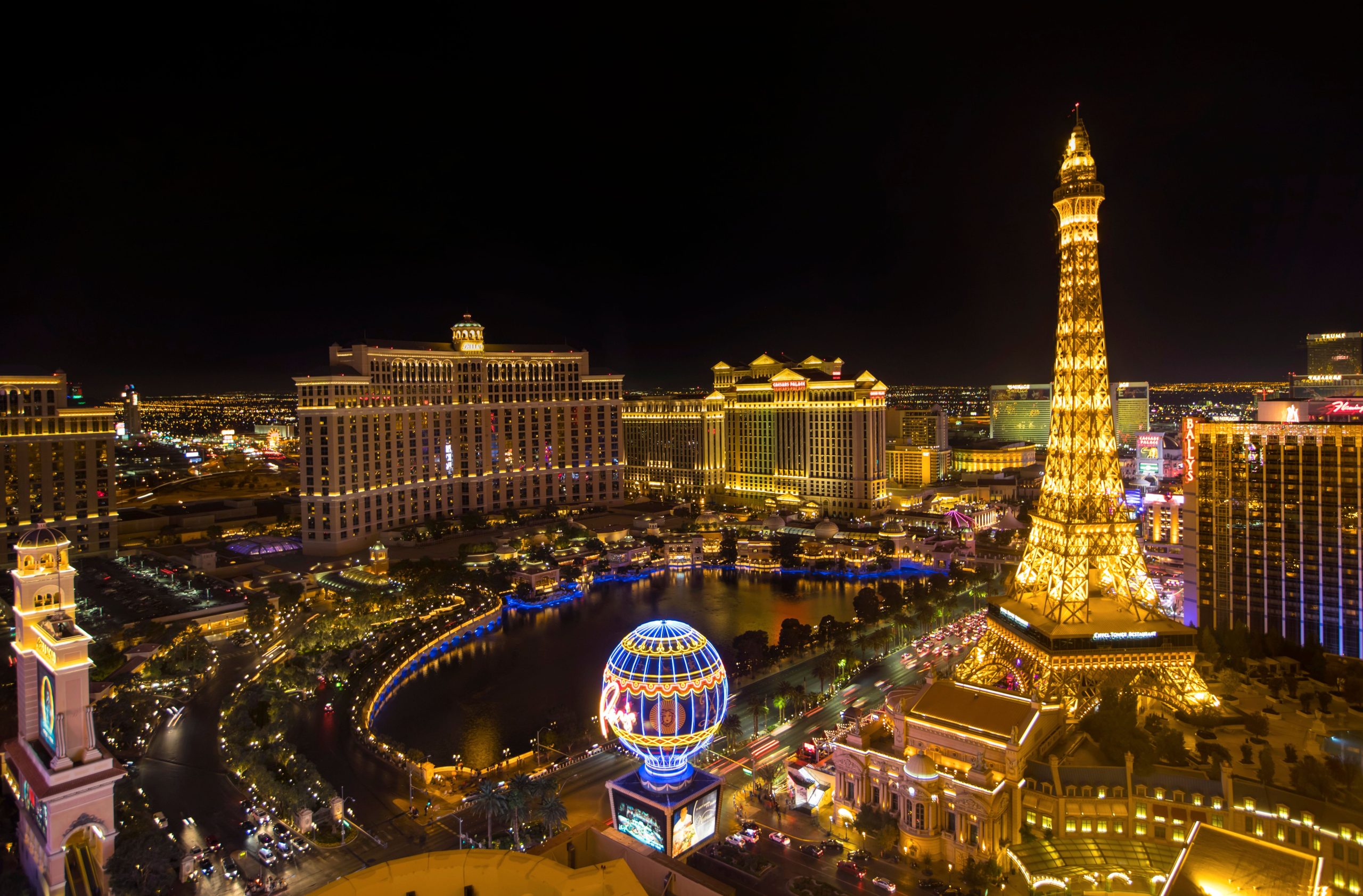
What the Grand Prix gets. An outdoor campus, a landmark the circuit runs past, and a screen that can carry race-week branding for sponsors. For a race that sells itself on spectacle, a lit sphere beside the circuit is an asset competitors cannot replicate.
What Sphere gets. A guaranteed annual event that fills its outdoor space and draws crowds to its property during a week when the Strip is full. The cross-promotion helps the venue’s own calendar.
The gap. Neither party disclosed terms. The sources do not say whether money changes hands, how revenue from zones such as the T-Mobile area is split, or what rights sponsors get on the screen.
Key Insights
1. Visual identity is a business asset. The Exosphere gives the race a recognizable image no other street circuit can offer. Locking it up for five years protects that image.
2. Five years is shorter than ten. The venue deal runs through 2030 while the race commitment runs to 2037. The difference leaves room to renegotiate once both sides have more data.
3. Neighbors become partners. A venue owner next to a street circuit could be a complaint-maker. A formal agreement turns that neighbor into an ally.
4. Cross-promotion is the quiet part. Joint programming is cheap and spreads marketing costs across two companies with large audiences.
5. Undisclosed terms limit analysis. Without the price, the deal reads as good for both sides. That tells you about optics and little about value.
Notes
- The sources do not disclose financial terms and include no named quotes.
- The Backstreet Boys afterparty detail comes from a related FOX5 link summarized in the research, not from the main article. Confirm before publishing.
- The T-Mobile Zone and grandstand prices come from GPFans’ spring ticket list.
- This article does not cover Sphere’s own event calendar for race week.
Key Takeaways
- Sphere and the Grand Prix extended their partnership through 2030, announced July 9, 2026.
- The deal covers the Sphere exterior campus and the Exosphere during race week.
- Financial terms were not disclosed.
- The two companies will keep working on fan experiences and cross-promotion.
- The race’s own commitment to Las Vegas runs through 2037.
Discussion Questions
- What is a landmark worth to an event that sells spectacle?
- Why would a venue owner sign a five-year deal when the event has a ten-year commitment?
- How should a promoter value a partner’s physical asset when no money is disclosed?
- What risks come with building an event’s identity around one venue?
- How might a rival city counter a landmark like the Sphere?
Conclusion
A partnership that keeps the world’s largest LED screen next to a street circuit through 2030 is a simple, effective piece of brand protection.
The unanswered questions are about money and rights. They will not appear in a press release.
Sources
- Sphere, F1 Las Vegas Grand Prix extend partnership through 2030 (FOX5 Vegas)
- Sphere and Formula 1 Heineken Las Vegas Grand Prix announce five-year partnership extension (Sphere Entertainment Co.)
- Sphere and Formula 1 Heineken Las Vegas Grand Prix announce five-year extension (SportsVideo.org)
- Las Vegas F1 GP ticket prices revealed (GPFans)
- Las Vegas GP to stay on F1 calendar through 2037 (Sportcal)