


For 26 years, the property at 221 North Rampart Boulevard operated as a JW Marriott, one of Las Vegas’s most established off-Strip resort hotels, serving the affluent Summerlin community with the kind of reliable luxury that a Marriott flag promises. The food and beverage program was fine. The Hawthorn Grill served its purpose. The buffet did what buffets do. Nothing about the dining situation inspired anyone to drive across town specifically to eat there.
On January 1, 2026, that changed on paper when the property rebranded as The Resort at Summerlin, completing a $75 million renovation and severing its Marriott affiliation. What changed in practice, and what actually matters for understanding the ambition behind this project, arrived in stages throughout early 2026 as The Neighborhood Food Hall completed its buildout and filled with concepts.
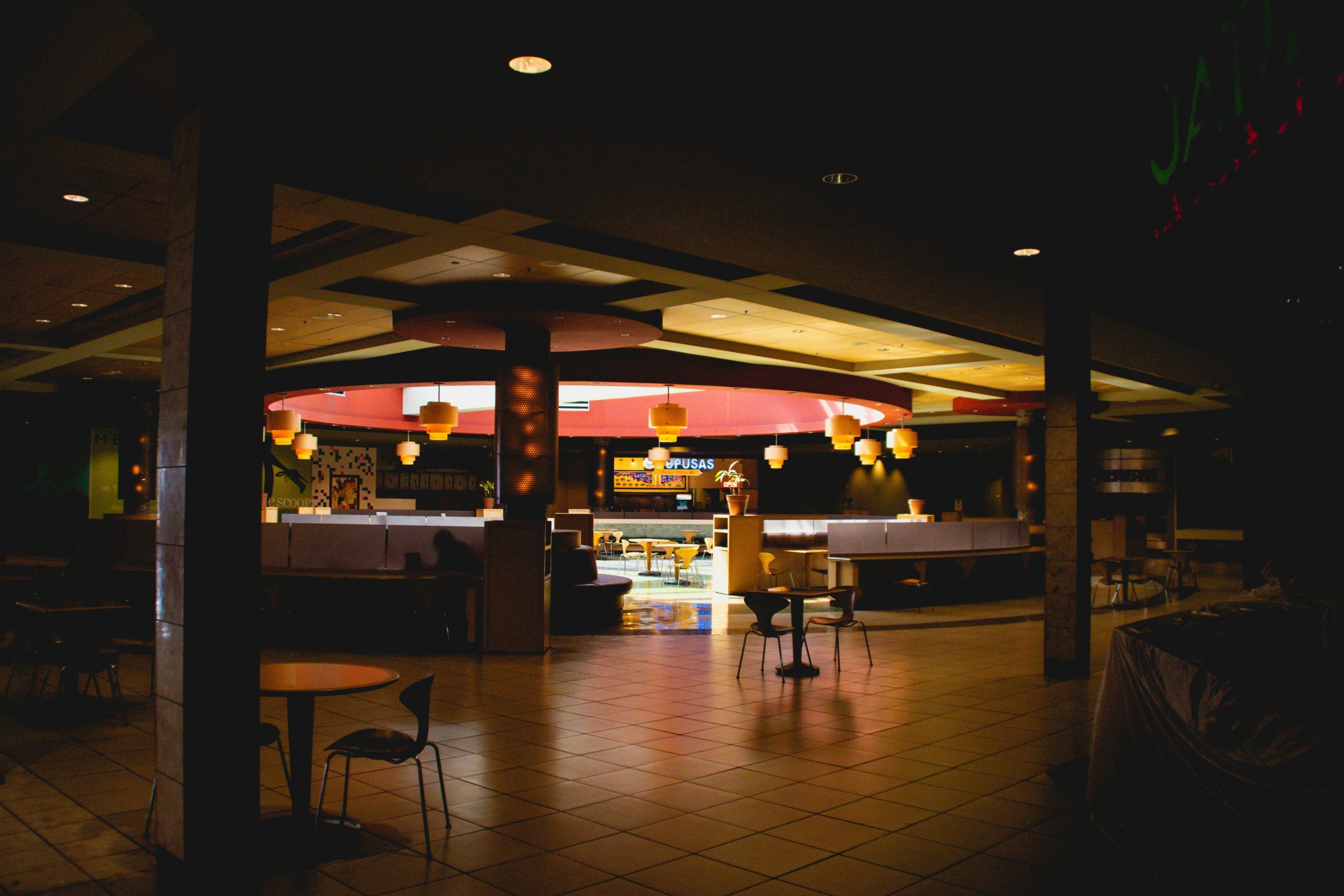
Completed in 2026 as part of the property’s $75 million renovation and revitalization, The Neighborhood Food Hall features a curated mix of celebrated chefs and standout regional favorites. The lineup, taken together, is more interesting than any single concept within it: ai Pazzi, an elevated Italian dining experience; Pearls Oyster and Crudo Bar, known for freshly shucked oysters, buttery lobster rolls, and signature seafood boils; Nom Wah, New York City’s first and oldest dim sum restaurant marking a major milestone in the brand’s 105-year journey with its first West Coast location; Wineaux, a wine-focused venue from James Beard Award winner Shawn McClain and master sommelier Nick Hetzel; Tacos 1986, an LA street-taco stand concept built on Tijuana-style tacos; and For The Win, a smash burger counter that pivoted from French fine dining during the pandemic.
This collection doesn’t read like a casino food court assembled for convenience. It reads like someone thought carefully about what a Summerlin resident actually wants on a Tuesday night, a Friday lunch, and a Sunday morning, and then went looking for the specific operators who could deliver each of those occasions at a level that justifies the trip from home.
The Assumption That Changed Everything
The Neighborhood Food Hall is the first time a Summerlin casino property has built a dining program that assumes a resident, not a tourist, will walk in on a Tuesday. This sentence, simple as it is, captures the strategic departure that separates The Neighborhood Food Hall from every previous dining program at this property and most others in the surrounding suburban corridor.
Casino food and beverage programs historically optimize for tourists and hotel guests. These are captive audiences with time to spend and limited alternatives visible from where they’re standing. Locals are a secondary consideration at best, welcomed when they show up but not the primary audience the program is designed to serve.
Summerlin’s demographics make this assumption not just wrong but operationally costly. The community west of the Strip is one of the wealthiest and most culinarily sophisticated residential markets in the entire Las Vegas valley. Summerlin residents have access to dozens of serious neighborhood restaurants, drive comfortably to Chinatown or Downtown for dining they care about, and are not going to settle for adequate casino dining because it’s the closest option. A food program that ignores this reality leaves the most valuable potential customer base in the zip code to everyone else.
The Resort at Summerlin’s rebrand bet on a different calculation: that a food hall built for locals, with the same seriousness that serious locals demand, would also serve hotel guests better than a generic casino food program designed for the tourist minimum.
Nom Wah’s First West Coast Address
Of all the concepts anchoring The Neighborhood Food Hall, Nom Wah carries the most historical weight. Nom Wah, from Chef and Owner Wilson Tang, brings its rich legacy and celebrated Cantonese flavors to the west coast, marking a major milestone in the brand’s 105-year journey.
Nom Wah opened in Manhattan’s Chinatown in 1920, making it New York City’s oldest dim sum restaurant. The original Elizabeth Street location became a cultural institution long before the contemporary food press discovered it. When Wilson Tang took over from his uncle in 2010 and began expanding the brand, he did so carefully, maintaining the original restaurant’s character while creating new expressions in other neighborhoods and eventually other cities. The brand’s expansion has always prioritized quality and cultural authenticity over franchise velocity.
Las Vegas as Nom Wah’s first West Coast location is a specific choice worth examining. San Francisco, Los Angeles, and Seattle all have large Chinese-American communities with established dim sum cultures that would seem like natural first targets for a New York Cantonese institution expanding westward. Las Vegas, with its significant Chinese-American population concentrated particularly in the Asian dining corridor along Spring Mountain Road, offers a different but equally compelling market: a city where serious Asian dining is already deeply established and where Nom Wah’s specific combination of heritage and quality would land with customers who know what they’re comparing it to.
The Summerlin location specifically, rather than a Chinatown placement, positions Nom Wah to serve the broader Las Vegas residential market rather than primarily the Asian dining enthusiast community that frequents Spring Mountain Road. This reflects The Resort at Summerlin’s broader strategy of bringing destination-worthy concepts to a neighborhood audience rather than asking that audience to travel to find excellent food.
The Wineaux Dimension
Wineaux represents the food hall’s highest-end concept, the one that most directly signals the program’s ambitions to the Summerlin dining community. James Beard Award winner Shawn McClain, who also operates Balla Italian Soul at Sahara Las Vegas, and master sommelier Nick Hetzel created Wineaux as a wine-focused destination where the beverage program defines the experience rather than supporting it.
This positioning is unusual for a food hall context. Most food hall concepts, even excellent ones, treat wine and cocktails as revenue items rather than primary attractions. Wineaux inverts this convention, building a concept around the proposition that a master sommelier’s approach to wine curation is itself the destination, with food developed to serve the wine program rather than the other way around.
For Summerlin specifically, this positioning makes considerable sense. The community has a high concentration of wine-engaged consumers, many of whom have sufficient disposable income and interest to pay for genuinely expert wine curation rather than settling for a house pour. A concept built around a master sommelier’s selections, housed within a food hall where the overall energy is casual and welcoming rather than stuffy and formal, offers exactly the combination of quality and accessibility that this demographic tends to prefer.
The Resy dining platform’s inclusion of Wineaux in its Summer 2026 Las Vegas hit list confirms that the concept has earned recognition beyond its immediate neighborhood, attracting attention from food and dining publications that typically focus on Strip properties and Chinatown concepts.
Tacos 1986 and For The Win: The Accessibility Anchors
The food hall’s two quick-serve Los Angeles imports, Tacos 1986 and For The Win, serve different strategic functions than the elevated concepts surrounding them. They ensure that The Neighborhood Food Hall functions as a genuine all-occasions dining destination rather than requiring every visit to be a considered, deliberate meal.
Tacos 1986 opened on March 17, 2026, honoring the Tijuana style taco. The Summerlin build keeps the original format: a standing-room-only, counter service layout recreating the sights, sounds, and aromas of a classic Los Angeles street-taco stand. The menu leans on flame-grilled Carne Asada and Pollo Asado, thinly sliced Adobada pork cooked on a traditional trompo, and the Hongo Mushroom Vegan Tacos.
Tacos 1986 began as a street cart in a Los Angeles parking lot in 2018 before growing into a brand with significant local recognition. Its Summerlin debut marks its Las Vegas entry, and the standing-room format deliberately preserves the street-food character rather than adapting the concept for casino comfort. This commitment to original format over accommodation reflects the same authenticity prioritization that defines the food hall’s overall curatorial approach.
For The Win is a smash burger counter that pivoted from French fine dining to smash burgers during the pandemic. This origin story matters for understanding what the concept actually delivers. A team trained in French fine dining technique that chose to apply that background to smash burgers is making a specific statement about what quality looks like at an accessible price point. The result is a burger that benefits from the precision and attention to detail that French kitchen culture demands without carrying the price or formality that fine dining requires.
Together, these two concepts ensure that the food hall serves casual weeknight dinners, post-workout lunches, and quick family meals alongside the more deliberate experiences that Nom Wah, Wineaux, and Pearls Oyster offer. This range across a single space is what transforms a collection of good restaurants into a destination that serves a community across its full range of daily needs.
The Block Party Launch and Community Investment
The Resort at Summerlin unveiled The Neighborhood Food Hall with a Neighborhood Block Party on Saturday, April 18, from 1 to 4 p.m., inviting Las Vegas locals and visitors to get a first taste of the food hall, meet the chefs behind the new concepts, and explore the property’s newest dining destination, all while giving back to the community.
This launch format, centering community gathering over marketing fanfare, reflects deliberate choice about how a neighborhood resort earns local loyalty versus how a Strip property builds tourist awareness. Strip openings generate media coverage through spectacle. Neighborhood restaurants earn local loyalty through showing up for the community rather than simply asking the community to show up for them.
The partnership with Three Square Food Bank, embedded into the Block Party launch, echoes the same community alignment strategy visible in Las Vegas Restaurant Week’s Three Square connection. Beth Martino, President and CEO of Three Square Food Bank, specifically noted the partnership as a great example of how the community comes together to take care of one another. For a newly rebranded resort trying to establish itself as a community institution rather than simply a commercial venue, this kind of charitable connection does more to build local goodwill than any advertising campaign.
Notes and Key Takeaways
For Restaurant Operators:
The Neighborhood Food Hall’s curatorial approach, ranging from a 105-year-old New York dim sum institution to a pandemic-pivot smash burger counter, demonstrates how food hall programmers can create genuine destination value by spanning occasions and price points rather than clustering around a single category or price tier.
For Diners:
The Neighborhood Food Hall at The Resort at Summerlin offers Summerlin residents and visitors access to Nom Wah’s first West Coast dim sum, Wineaux’s master sommelier-curated wine program, Pearls Oyster’s elevated seafood in a casual format, and authentic LA-style taco and burger concepts, all within a single location designed to serve the full range of dining occasions rather than optimizing for any single type of visit.
For Las Vegas:
The Resort at Summerlin’s $75 million investment in a locally focused food hall signals that suburban Las Vegas has reached a level of culinary sophistication that warrants serious operator attention independent of Strip-adjacent positioning. The food hall’s lineup treats Summerlin residents as the primary audience rather than a secondary market, representing a meaningful shift in how off-Strip casino properties think about their dining programs.
Important Insights:
Nom Wah’s choice of Summerlin over San Francisco, Los Angeles, or Seattle for its first West Coast expansion reflects the Las Vegas residential market’s purchasing power and culinary engagement rather than simply population density or historical Chinese-American community concentration. Brands willing to look past conventional market hierarchies find serious audiences in markets that less analytical operators overlook.
The rebrand from JW Marriott to The Resort at Summerlin severing the Marriott flag creates both risks and opportunities. The Marriott name provided reservation confidence and loyalty program access for hotel guests. Independence allows for the kind of culinary risk-taking and operator selection that franchise standards typically constrain. The Neighborhood Food Hall’s lineup suggests the independence is being used well.
Shawn McClain’s dual Las Vegas presence, with Balla Italian Soul at Sahara and Wineaux at The Resort at Summerlin, demonstrates how established chefs can build multi-property footprints that serve different community segments without competing directly. Balla serves Strip-adjacent Italian dining while Wineaux serves the wine-engaged Summerlin residential market, and neither positioning cannibalizes the other.
The food hall’s dining event scheduled for August 1, 2026, visible in Food and Loathing’s upcoming events listing, confirms that The Neighborhood Food Hall is actively programming community experiences rather than simply operating as a passive collection of restaurant concepts. Active programming generates repeat visits and community identity in ways that good food alone cannot sustain.
The $75 million renovation investment in a non-gaming-revenue-dominant format, prioritizing food hall and wellness over slot floor expansion, reflects Penn Entertainment’s reading of where suburban Las Vegas hospitality is heading. Casino revenue continues to matter, but the amenity competition for local loyalty increasingly runs through food, wellness, and experience rather than gaming product alone.
For The Win’s origin as a French fine dining concept that pivoted to smash burgers during the pandemic represents a specific kind of pandemic success story: a team with high culinary training that found broader market access by applying those skills to a more accessible format rather than stubbornly maintaining a format the market couldn’t support. The result is a burger that benefits from the precision and care that the team’s original training demanded.