

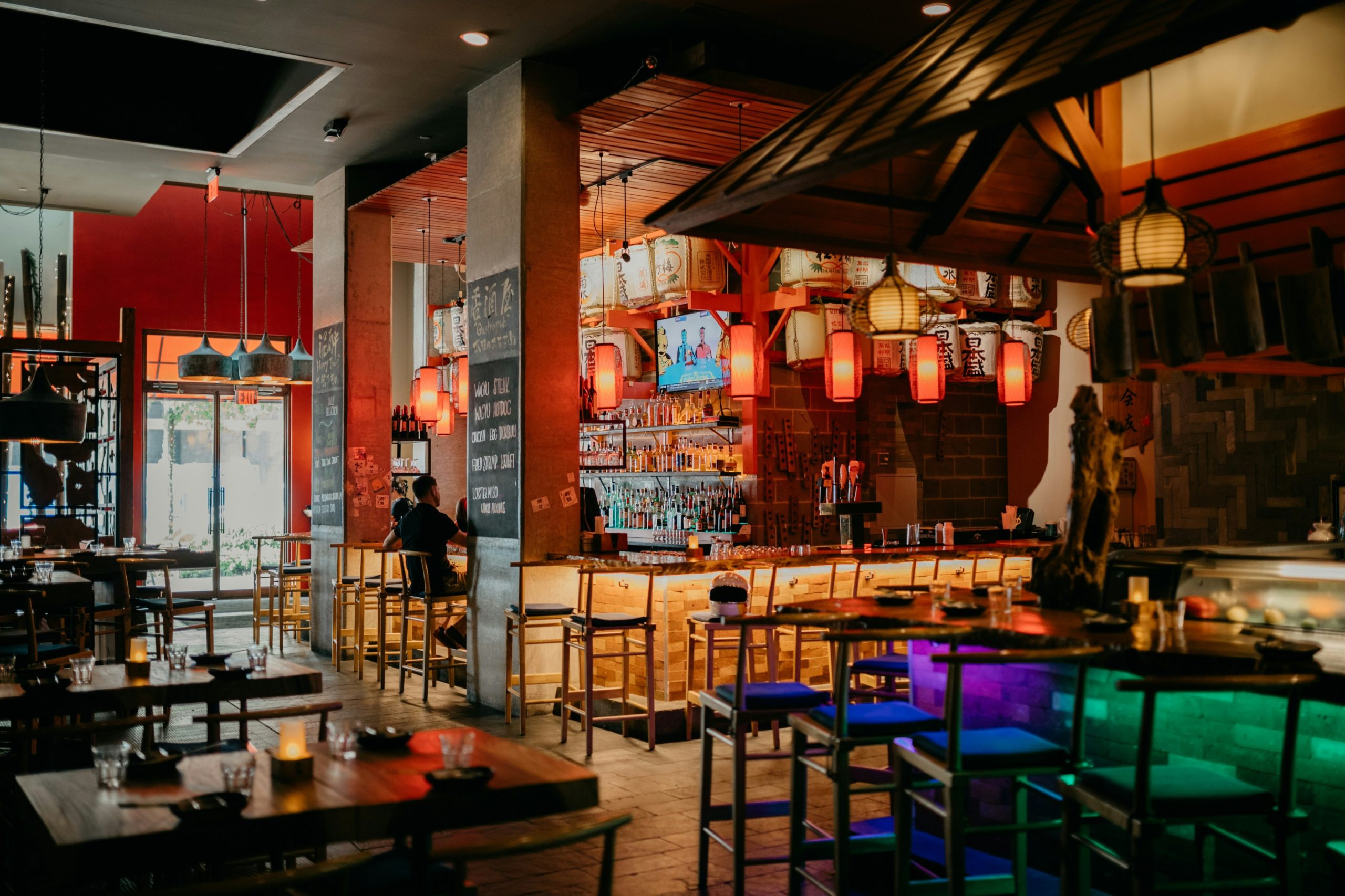
On Thursday, July 30, 2026, at 9 a.m., a ribbon cutting will happen on Revere and Dorrell Lane in North Las Vegas. It is not a major casino opening. It is not a celebrity-branded hotel or a $60 million dayclub. It is a 24-hour neighborhood tavern called Seventy Six, serving stuffed burgers, hand-battered fish and chips, handcrafted cocktails, and providing access to 15 IGT Peak bartop gaming machines and multiple screens for sports viewing.
It will be the sixth Seventy Six location in the Las Vegas Valley, the fourth to open in 2026 alone. The first opened in October 2024. The pace of expansion, one location roughly every three to four months across twenty months, tells you everything you need to know about what Station Casinos is building and how confident the company is in the underlying economics.
This is not a restaurant chain launching a new concept. This is a deliberate, methodical infrastructure play designed to establish Station Casinos as the dominant neighborhood social venue for Las Vegas locals who are not going to the Strip tonight and are not planning to go to a major casino property either. They are going somewhere closer to home, somewhere open all night, somewhere they can eat a real meal at 2 a.m. and watch whatever game is on without fighting tourist crowds.
The Name Does Work
Seventy Six is named after the year Station Casinos was founded, which also means it launched its expansion during the company’s 50th anniversary year. The Americana aesthetic, the comfort food menu, the 24-hour operating model, all of it maps to a deliberate positioning that Station Casinos has been refining across its larger properties for decades and is now delivering in a smaller, more geographically accessible format.
The name signals something specific to Las Vegas residents who know the company’s history. This is not a generic bar brand that Station acquired or licensed. It is an extension of Station’s own story, built on the same founding promise of serving locals with good value and a comfortable place to spend time. For a customer who has been going to Palace Station or Red Rock Resort for years, Seventy Six is recognizable as part of the same family even before they walk through the door.
This brand continuity is an asset that independent tavern operators and outside chains attempting to enter the Las Vegas locals market cannot replicate. Seventy Six inherits goodwill that Station Casinos has built over 50 years. It does not need to earn trust from scratch in each new neighborhood because the parent brand already has it.
The Geographic Logic of Six Locations
Mapping the first six Seventy Six locations across the valley reveals a coherent geographic strategy rather than opportunistic real estate acquisition.
North Las Vegas has received two locations: the original on North Lamb Boulevard, and now the Revere and Dorrell location. Aliante, in the far northwest valley, received the second location. Henderson’s Union Village received the third. West Tropicana near Grand Canyon Drive covers a densely residential section of the southwest valley. Fort Apache extends reach further south.
None of these locations are on or near the Strip. All of them are in established residential neighborhoods where the primary customer is someone who lives within a few miles of the location and is making a decision about where to spend a Tuesday evening rather than planning a destination entertainment outing.
This geographic distribution is the physical expression of the Station Casinos business philosophy we examined in our article on the 50th anniversary. The company does not build destinations that require people to come to them. It builds infrastructure in the neighborhoods where people already are. The Seventy Six expansion takes this principle further than the major casino properties can go because the smaller format allows Station to be present in neighborhoods where a full casino resort would be impractical or unwelcome.
The fourth location opening in 2026, after one in 2024 and one in 2025, signals acceleration rather than steady-state rollout. Station Casinos is moving faster into this format as early locations demonstrate the economics work. This pattern of accelerating expansion is typical of franchise and multi-unit concepts that have validated their model in initial locations and are moving to saturate their target market before competitors can respond.
The 24-Hour Operating Model as Structural Advantage
Every Seventy Six location operates 24 hours a day, seven days a week. This commitment is unusual for a food-and-beverage-focused neighborhood bar concept and deserves examination as a strategic choice rather than just an operational detail.
Las Vegas is one of very few American cities where 24-hour food service has genuine demand at volume. The combination of shift workers in casinos, hotels, and service industries, tourists on disrupted schedules, and a nightlife culture that runs into early morning hours creates reliable customer flow across all 24 hours in a way that most American markets do not sustain.
A neighborhood tavern that closes at midnight or 2 a.m. is leaving hours with genuine customer demand unserved. Shift workers coming off a 6 a.m. to 2 p.m. slot at a nearby warehouse or distribution center who want lunch and a beer before going home cannot use a place that opens at 11 a.m. Casino employees finishing a graveyard shift who want eggs and a cocktail at 7 a.m. have limited options in most neighborhoods. Seventy Six’s 24-hour model explicitly serves these customers.
The twice-daily happy hours, running from 3 to 7 p.m. and again from 3 to 7 a.m., reflect direct acknowledgment of the shift worker customer. The 3 to 7 a.m. window targets people finishing overnight shifts in exactly the way that traditional happy hour windows completely ignore. This is not an oversight corrected. It is deliberate design for the customer base Las Vegas’s service economy actually produces.
Bartop Gaming as the Revenue Model
The 15 IGT Peak bartop gaming machines at each location are not ancillary. They are the economic engine that makes the Seventy Six model viable at the price points and operating hours Station Casinos has committed to.
Nevada’s gaming regulatory framework allows licensed taverns to operate a limited number of gaming machines, and these machines generate revenue at margins significantly higher than food and beverage sales. A bartop gaming machine in a neighborhood tavern setting in Las Vegas generates consistent, reliable revenue across all operating hours from customers who are playing casually while eating, drinking, and watching sports rather than committing to the more intense casino floor gaming experience.
This gaming component creates a business model that pure food and beverage concepts cannot match. A neighborhood bar without gaming revenue needs food and drink sales to cover all costs including real estate, labor, food costs, and overhead. A neighborhood tavern with 15 gaming machines has a revenue stream that subsidizes lower prices, longer hours, and more comfortable physical spaces than purely F&B-dependent competitors can sustain.
The bartop machine format is also specifically designed for the Seventy Six customer. Unlike slot machine floors that require dedicated gaming-focused trips, bartop gaming at a bar allows customers to integrate casual gaming into a food, drink, and sports viewing experience without making gaming the primary purpose of the visit. This casual integration reduces the psychological barrier to gaming that some customers associate with casino environments while still capturing gaming revenue.
The Comfort Food Menu as Brand Statement
Chef Danny Wilkins’s menu for Seventy Six features stuffed burgers, hand-battered fish and chips, sliders, sandwiches, and salads described as elevated comfort favorites. This menu positioning is deliberate and carries strategic logic that goes beyond just offering food people like.
Elevated comfort food is a category that performs well across the broadest possible demographic range while still signaling quality investment beyond generic bar food. A stuffed burger with premium ingredients satisfies the customer who wants a real meal and is willing to pay for quality, while remaining familiar and approachable enough that first-time visitors do not face an unfamiliar menu that creates decision friction.
The 24-hour availability of this menu, which the Las Vegas Review-Journal specifically highlighted with the phrase late-night bites, addresses a genuine gap in most neighborhoods. Quality food at midnight or 3 a.m. in residential areas outside the Strip and major casino properties is limited to fast food drive-throughs and convenience stores. Seventy Six offering a full elevated comfort food menu around the clock positions it as a genuine dining destination for shift workers and late-night locals rather than just a bar that happens to have some food.
The menu also supports the sports viewing and gaming-adjacent customer experience in ways that bar snacks and basic pub fare do not. A customer who comes in at halftime of a game, orders a stuffed burger, and settles in with a bartop machine is making a significant visit in terms of dwell time and per-visit spending. That visit is more valuable to Seventy Six than a quick beer-and-go transaction, and the menu quality is part of what makes that extended visit worthwhile for the customer.
What the Acceleration Signals
Four Seventy Six locations opening in 2026, with the sixth launching on July 30, represents meaningful capital allocation. Each location requires real estate acquisition or lease, build-out costs, equipment, licensing, hiring, and marketing investment. Station Casinos is committing substantial resources to this expansion at a pace that suggests early financial performance is meeting or exceeding internal targets.
The timing of the acceleration during the 50th anniversary year is also not coincidental. Station Casinos is using its anniversary momentum, the new brand identity, the media coverage, the community goodwill generated by the month-long celebration, to simultaneously launch new Seventy Six locations that embody the company’s founding philosophy in a new format. The brand investment and the physical expansion are mutually reinforcing.
Bobbie Rihel’s consistent framing across every Seventy Six location announcement, comfortable gathering place where locals can enjoy great food and drinks, catch the game and feel right at home, reflects disciplined message consistency that franchise and multi-unit operators develop when they are building a brand at scale. This is not language improvised for each press release. It is positioning language refined over multiple openings and applied with consistency because it accurately describes what the concept delivers and who it serves.
The Competitive Environment
Independent neighborhood bars and taverns in Las Vegas face structural disadvantages against Seventy Six that are worth making explicit.
Independent operators do not have Station Casinos’ scale economies in food purchasing, licensing, insurance, marketing, and management. They do not inherit the brand trust that Station’s 50-year relationship with the Las Vegas community provides. They are unlikely to sustain 24-hour operations profitably without the gaming revenue subsidy that Station’s tavern license provides. And they cannot match the marketing reach that Station Casinos has through its Boarding Pass loyalty program, which has been enrolling and retaining local customers for decades.
Outside chains attempting to enter the Las Vegas neighborhood tavern market face the additional challenge of building brand awareness and trust from scratch in a market where Station Casinos has been the dominant locals operator since the late 1970s. National bar and casual dining concepts have repeatedly struggled to gain sustainable footing in Las Vegas’s locals market because they underestimate how thoroughly Station has built community loyalty that functions as genuine customer lock-in.
The Seventy Six expansion is adding a smaller-format, neighborhood-penetrating vehicle to that competitive moat. Independent bars that might have operated comfortably in neighborhoods where no Station property was nearby will now find Seventy Six opening within a few miles and drawing customers with brand trust, gaming revenue, 24-hour service, and a menu quality level that most independent operators in the same price tier cannot match.
Key Insights
Six locations in twenty months across geographically distributed residential neighborhoods represents a market penetration strategy designed to establish dominant presence in the Las Vegas locals market before competitors can organize a meaningful response. The 24-hour operating model with twice-daily happy hours explicitly designed around shift workers reflects customer-centric design for the labor demographics Las Vegas’s service economy actually produces rather than generic hospitality industry defaults.
Bartop gaming revenue subsidizes lower price points, longer hours, and higher food quality than pure food and beverage competitors can sustain, creating a business model that is structurally difficult for non-gaming competitors to replicate. Inherited brand trust from Station Casinos’ 50-year locals market relationship provides customer acquisition advantage that outside chains and independent operators cannot match without equivalent time investment. Elevated comfort food menu quality raises the category standard for neighborhood taverns in residential Las Vegas neighborhoods, repositioning Seventy Six as a genuine dining destination rather than just a bar that serves food.
Accelerating expansion pace from one location in 2024 to four in 2026 signals financial performance validation of the model at initial locations and deliberate market saturation strategy while first-mover advantages remain available.
Notes on the Template
The Seventy Six model is worth examining by any hospitality operator building in markets with the following characteristics: significant shift worker populations, 24-hour cultural norms around food and entertainment, regulatory frameworks that allow limited gaming in small-format venues, and an existing brand with strong community trust that can be extended into a smaller-format product without diluting the parent brand’s positioning.
Las Vegas is the most extreme expression of these characteristics, but versions of this environment exist in other gaming jurisdictions and in any city with large service industry employment bases that create off-hours demand. The specific regulatory framework, limited gaming in licensed taverns, is Nevada-specific, but the broader model of using a complementary revenue stream to subsidize better food, lower prices, and longer hours than pure-play competitors can deliver applies wherever that complementary revenue can be accessed legally.
Station Casinos has been building toward this smaller-format expansion for years. The 50th anniversary celebration and the accelerating Seventy Six rollout happening simultaneously suggest the company believes this is the right moment to move aggressively. In five days, the ribbon cuts. In five years, the competitive landscape in Las Vegas’s neighborhood hospitality market may look substantially different.