



When a restaurant wins USA Today’s 10Best Readers’ Choice Award for Best New Restaurant, earns a Las Vegas Weekly Best Greek Food designation, and receives Desert Companion’s New Restaurant of the Year recognition all within its first few years of operation, it has a specific kind of problem that most restaurants never face. Its early reputation is set. Critics have filed their initial assessments. Regulars have established expectations. And the kitchen team responsible for those accolades has moved on.
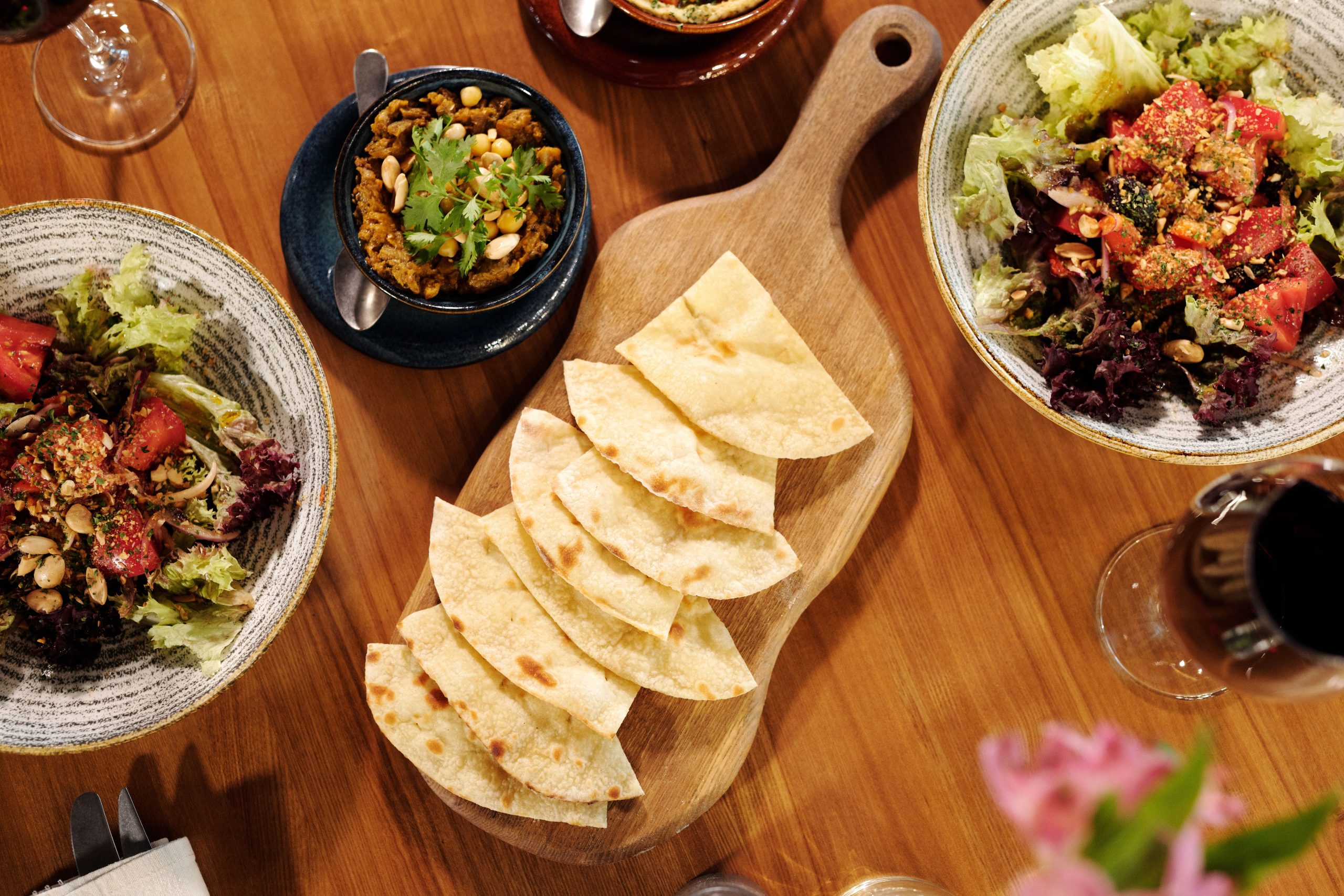
Naxos Taverna at Red Rock Casino Resort and Spa in Summerlin opened as a collaboration between Tao Group owner Lou Abin and Lotus of Siam’s parent Bua Food Group, inspired by the taverns of the Greek island Naxos, the largest of the Cyclades and the island the ancient world associated with Dionysus, god of wine and celebration. The restaurant carved out a specific identity: approachable Mediterranean seafood, whole fish presented on ice, fresh pita baked in an open kitchen, and an Aegean aesthetic that brought genuine Greek character to a suburban Las Vegas casino setting far removed from the tourist corridor.
(cite index=”195-1″>Chef Sani Hebaj joined Naxos Taverna as executive chef, bringing his extensive culinary experience and fresh vision to the Greek restaurant. His appointment followed the departure of the kitchen team that had built the restaurant’s founding reputation. (cite index=”195-1″>A graduate of the California Culinary Academy in San Francisco, Chef Hebaj most recently helmed the kitchen at Villa Azur at The Venetian, where he combined the best of the South of France and East Coast flavors. Prior to that, he collaborated with restaurateur Todd English on a variety of projects, including launching The Beast at AREA15, and served as executive chef at some of New York City’s iconic venues including The Plaza Hotel and Dabble at the Conrad New York Midtown.
Understanding what Hebaj is building at Naxos, what his new menu reveals about the restaurant’s evolving direction, and what this transition teaches about how established concepts navigate chef changes without losing their foundational identity requires examining both the chef’s credentials and the specific culinary choices he’s making.
The Chef Transition Problem
Chef transitions at established restaurants create a specific tension that ownership teams rarely discuss publicly. The outgoing kitchen team built the reputation that the restaurant now trades on. The incoming chef inherits that reputation while being expected to bring something new rather than simply replicating what worked before.
Get this balance wrong in either direction and the restaurant loses. Too much change and regulars who loved the original feel alienated, while the restaurant loses the specific qualities that earned its early recognition. Too little change and the restaurant stagnates, repeating dishes and approaches that the outgoing chef developed without the fresh perspective and personal culinary vision that made those dishes worth experiencing in the first place.
Hebaj’s background reveals what his approach to this tension is likely to be. His work at Villa Azur involved French-Mediterranean synthesis. His collaboration with Todd English on The Beast at Area15 placed him in a creative, high-concept context very different from a traditional Greek taverna. And his Plaza Hotel and Conrad New York Midtown experience speaks to the kind of luxury hospitality discipline that casino resort dining demands.
None of these are specifically Greek restaurant credentials. But Greek cuisine, particularly the seafood-focused Mediterranean coastal tradition that Naxos represents, benefits from the same principles of ingredient quality, acidic balance, and restraint that French and Mediterranean training emphasizes. A chef who understands how to let excellent seafood speak for itself without overcomplication is exactly what a seafood-forward Greek concept needs.
The New Menu in Detail
(cite index=”197-1″>Chef Hebaj unveiled a selection of new menu items that celebrate the vibrant flavors of Greek cuisine.
(cite index=”197-1″>Pan-roasted Chilean sea bass with tomato and olive at $59 represents one of the new additions, a preparation that combines the delicate texture of Chilean sea bass, one of the most prized white fish in American fine dining, with Mediterranean accompaniments that anchor the dish culturally without overwhelming the fish itself. Chilean sea bass is expensive to source well and unforgiving when cooked poorly. Its inclusion signals culinary confidence.
(cite index=”197-1″>Spanakopita with kefalograviera cream at $17 takes a Greek classic and elevates its presentation through the addition of aged kefalograviera cheese, a hard sheep and goat milk cheese with nuttiness and depth that standard feta preparations can’t match. Kefalograviera is the kind of specific ingredient choice that communicates kitchen seriousness without requiring explanation to anyone familiar with Greek cheese culture.
(cite index=”197-1″>The lavraki with green tomato, scallion, dill, lemon, and olive oil at $19 is particularly interesting. Lavraki, European sea bass, is the fish most associated with Greek coastal cooking. Presenting it with a dressing built around green tomato rather than ripe tomato creates textural freshness and acidity that reflects the kind of produce-driven thinking that marks chefs who pay serious attention to what’s available and at peak quality rather than defaulting to standard accompaniments year-round.
(cite index=”197-1″>Tuno crudo with yogurt glykopikros at $19 is a sophisticated pairing. Glykopikros means sweet-spicy in Greek, and the combination of raw tuna with a yogurt preparation that carries both sweetness and heat creates contrast that raw fish preparations too often avoid. Most tuna crudo errs toward restraint. This preparation commits to complexity.
(cite index=”197-1″>The Souvlakia sta Karvouna for two with filet mignon, chicken, vegetables, tzatziki, muhammara, Greek trio, and fresh pita at $110 represents the table-sharing, fire-grilled tradition at the heart of Greek taverna culture. Charcoal grilling over coals, sta karvouna, produces specific char and smoke that gas grills approximate but can’t replicate. The inclusion of muhammara, a roasted red pepper and walnut spread from Levantine tradition rather than strictly Greek cooking, suggests Hebaj is thinking about the broader Eastern Mediterranean culinary landscape rather than constraining himself to narrow Greek authenticity.
Red Rock Casino and the Summerlin Context
Naxos Taverna operates within Red Rock Casino Resort and Spa, an AAA Four-Diamond property that occupies a unique position within Las Vegas’s casino resort landscape. (cite index=”196-1″>Located near Red Rock Canyon National Conservation Area, Red Rock Casino serves a primarily local Summerlin market rather than Strip tourist volume, which shapes both who the restaurant’s customers are and what they expect from a Greek restaurant in a casino setting.
Summerlin’s affluent residential community, with strong representation from healthcare, finance, and technology sectors, represents exactly the kind of dining-sophisticated local audience that can sustain a restaurant like Naxos without depending on tourist traffic. These are regular repeat visitors rather than one-time occasion diners, which means the restaurant must deliver quality that holds up across repeated visits rather than simply impressing once.
This local repeat-visit dynamic makes chef transitions particularly consequential. A tourist dining once won’t necessarily notice that the kitchen team changed. A Summerlin regular who has eaten at Naxos twelve times will immediately notice differences in preparation, sourcing, and approach. The transition to Hebaj needs to deliver something that satisfies both the regulars who already love what Naxos does and the broader market that hasn’t yet been converted to regular visitation.
The Accolades Burden
Naxos Taverna’s early recognition, particularly the USA Today 10Best national award as only Nevada restaurant honored in its category, created a specific visibility that most suburban Las Vegas casino restaurants never achieve. National food media recognition drives the kind of destination dining traffic that is otherwise very difficult for off-Strip properties to generate.
This recognition also creates pressure that can undermine a restaurant’s evolution. When a concept is celebrated for specific qualities, changing those qualities risks alienating the critics and consumers who drove the recognition while potentially failing to attract new audiences in sufficient numbers to compensate. The safe path, replicating what earned the awards, often leads to stagnation.
Hebaj’s new menu doesn’t abandon Naxos’s founding identity. The whole fish presentations, the fresh pita program, the Mediterranean seafood focus, and the taverna aesthetic all continue. What changes is the specific dishes and preparations that bring these commitments to life, which creates space for the restaurant to evolve without abandoning what made it worth celebrating.
Notes and Key Takeaways
For Restaurant Operators:
Naxos Taverna’s chef transition demonstrates how established concepts can use new kitchen leadership to update and deepen their culinary identity without abandoning the foundational commitments that earned early recognition. The key is ensuring that new leadership understands and genuinely cares about the founding philosophy rather than simply inheriting a menu to replicate.
For Diners:
The new Naxos Taverna menu under Chef Hebaj introduces preparations that reflect serious Mediterranean culinary thinking while maintaining the whole fish, fresh pita, and seafood-focused identity that defined the restaurant’s opening reputation. The lavraki, the kefalograviera spanakopita, and the charcoal Souvlakia provide compelling reasons for repeat visitors to rediscover the restaurant alongside new guests encountering it for the first time.
For Las Vegas:
Naxos Taverna’s continued investment in culinary leadership and menu evolution at Red Rock Casino reinforces that serious restaurant development in Las Vegas extends well beyond the Strip corridor into suburban casino properties serving wealthy residential communities with genuine dining sophistication.
Important Insights:
Hebaj’s experience launching The Beast at Area15 under Todd English placed him in an environment where concept creation and experiential dining were primary rather than operational replication. Chefs who have helped create concepts from scratch approach evolution-stage restaurants differently than those who have primarily executed within established frameworks.
The muhammara inclusion in the Souvlakia plate reflects pan-Eastern Mediterranean thinking that extends beyond strict Greek boundaries. For a restaurant named after a Greek island, this expansion of reference signals that the kitchen is engaging with a culinary region rather than enforcing categorical purity, which tends to produce more interesting cooking.
Green tomato in the lavraki preparation is a seasonal and produce-driven choice that signals kitchen attention to what’s available rather than default accompaniment thinking. Tomatoes peak at different stages of ripeness for different culinary purposes, and choosing green tomato for its specific acidity rather than using ripe tomato as default reflects genuine culinary thinking.
Red Rock Casino’s AAA Four-Diamond status creates a service baseline that positions Naxos Taverna within a luxury hospitality context regardless of its specific cuisine category. Guests arrive with elevated service expectations that the restaurant must match at every visit, which raises the performance standard beyond what standalone restaurant settings require.
The dual-ownership structure, between Tao Group’s Lou Abin and Bua Food Group, brings together hospitality and culinary expertise that most single-operator restaurant ventures lack. This partnership structure provides the business infrastructure and culinary knowledge base that supports quality hiring decisions like Hebaj’s appointment rather than requiring the owners to evaluate culinary credentials independently.