


When the Museum of Ice Cream opened a 1,500-square-foot pop-up in New York City in August 2016, the line to get in stretched around the block. The concept was straightforward: a series of Instagram-friendly rooms themed around ice cream, each designed to be photographed and shared. Tickets sold out in hours. The cultural moment was immediate and unmistakable. People weren’t just interested in seeing the rooms. They were interested in being seen there.
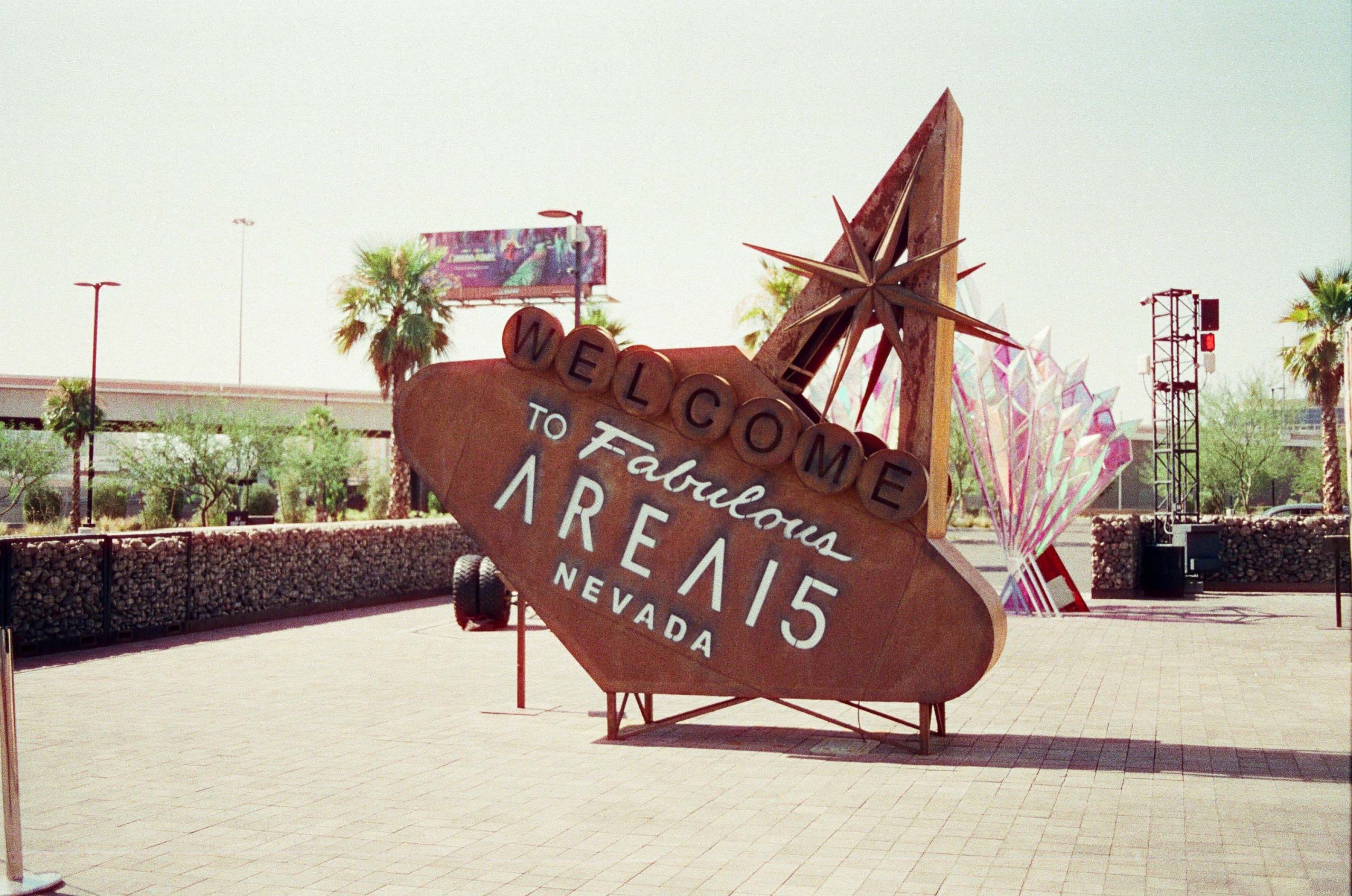
A decade later, Museum of Ice Cream officially opened its newest and largest location at Area15 in Las Vegas, marking the strongest opening in company history and signaling a major milestone in the brand’s continued evolution as a global leader in immersive entertainment. The Las Vegas location spans nearly 30,000 square feet, almost three times the size of previous locations in Miami, Boston, Chicago, and Singapore. Demand surpassed expectations with presale tickets reaching more than three times those of the brand’s Miami location, more than 20 sold-out sessions during opening weekend, and record-breaking attendance.
The choice of Las Vegas, and specifically Area15, as the brand’s global flagship isn’t coincidental. It reflects deliberate thinking about where immersive eatertainment concepts can reach their full potential and why the intersection of physical scale, tourist density, and the city’s existing comfort with experiential excess creates conditions that no other American market quite replicates.
What Eatertainment Actually Is
The word eatertainment, a portmanteau that food industry analysts have used with increasing frequency over the past decade, describes a category of experience that sits deliberately between dining and entertainment without fully belonging to either. The food isn’t the primary draw. The entertainment isn’t the primary draw. The combination, and specifically the social and shareable nature of the combined experience, is what generates attendance and revenue.
Museum of Ice Cream occupies a specific position within this category. Unlike ax-throwing bars, escape rooms, or other activity-plus-food concepts, MOIC uses ice cream as both sensory experience and cultural symbol. Ice cream carries childhood associations that most food categories don’t. It’s nostalgic, playful, and broadly accessible across demographics and dietary restrictions in ways that, say, a concept built around craft beer or fine spirits is not.
Co-founder and CEO Maryellis Bunn described the Las Vegas flagship as representing the pinnacle of their journey, blending design, hospitality, and participation in ways that balance family-friendly experiences by day and create a global nightlife destination by night. This dual-audience positioning is crucial. A purely family-oriented concept would struggle in Las Vegas, where the primary tourist demographic skews adult. A purely adult nightlife concept would eliminate the family market entirely. MOIC’s format, adjusting programming and atmosphere based on time of day, serves both segments from the same physical space.
Why Area15 and Why Now
Area15 opened in 2020 as an experiential entertainment complex west of the Strip, built on the thesis that Las Vegas visitors would support immersive experience venues that operated independently of casino floors and hotel properties. The thesis proved correct. Area15 has grown to anchor a cluster of immersive concepts including Meow Wolf’s Omega Mart, Haunt Vegas, and now Universal Horror Unleashed, creating a destination that generates its own traffic rather than depending on proximity to casino volume.
Museum of Ice Cream’s placement within Area15’s expanding portfolio continues this aggregation strategy. Rather than asking visitors to make a standalone trip to a single experience, Area15 offers an increasingly dense menu of options that justify the trip from the Strip on the basis of the collective offering. MOIC’s nearly 30,000 square feet represents a significant addition to this portfolio, bringing the brand’s global reputation to an environment already primed for immersive entertainment consumption.
Area15 is expanding with a 20-acre district to the north of its current site, which will house a year-round horror experience from Universal Destinations and Experiences and a space-themed attraction named Interstellar Arc. Museum of Ice Cream’s arrival positions it within a future entertainment campus of considerable scale, where it will eventually operate alongside Universal’s brand alongside other globally recognized experience concepts rather than as a standalone destination.
The timing, opening in summer 2026, benefits from Las Vegas’s continued post-pandemic tourism recovery and the dining-and-experience culture shift that has seen visitors increasingly allocate budget toward experiences alongside traditional casino spending. Visitors who would have spent an afternoon on the casino floor ten years ago now divide their time across a much wider menu of Las Vegas activities, creating addressable market for experience concepts that wouldn’t have found sustainable audiences in an earlier era.
The World’s First Permanent Ice Cream Buffet
Among the specific experiences at the Las Vegas location, the world’s first permanent ice cream buffet stands out as an operational commitment that no previous MOIC location has attempted. Buffet culture has deep roots in Las Vegas hospitality, from the casino buffets that defined mid-century Las Vegas tourism through contemporary operations like Bacchanal Buffet that have elevated the format to genuine culinary aspiration.
A permanent ice cream buffet within an immersive entertainment context resolves a tension that MOIC’s earlier pop-up and permanent locations faced: visitors want more food than a single scoop or demonstration serving provides, but adding a full restaurant kitchen to an experience venue creates operational complexity that can undermine the playful, frictionless atmosphere the concept requires. A buffet format resolves this by providing abundant food access in a self-directed format that preserves the autonomy and spontaneity central to MOIC’s overall experience design.
The buffet also serves social dynamics that align with how groups tend to experience MOIC. Friends, families, and couples move through the space at different paces and with different interests. A buffet provides a gathering point where the group can reconvene, share food, and make decisions about what to do next without the coordination challenges that timed dining experiences require.
The Sprinkle Pool at Vegas Scale
MOIC’s signature sprinkle pool, a room-sized installation filled with plastic sprinkle-shaped beads where visitors can swim, slide, and photograph themselves, has appeared in some form at every permanent location. The Las Vegas version scales this to match the venue’s overall ambition.
Las Vegas Weekly described the experience as literally handing visitors a spoon and letting childlike whimsy and taste buds lead the way, with slides emptying into sprinkle pools and craft cocktails competing with crazy good scoops in every room designed to tempt a different impulse. This description captures something important about how MOIC has evolved from its original Instagram-bait positioning toward a more genuinely experiential format. The early pop-ups were primarily about producing photographs. The Las Vegas flagship is about producing moments that happen to photograph well, a distinction that matters for repeat visitation and word-of-mouth generation.
The craft cocktail program also deserves examination as a strategic decision. Ice cream and craft cocktails aren’t an obvious pairing, but they serve the same demographic at different times of day and create the adult nightlife positioning that MOIC needs to sustain Las Vegas-level revenue without relying entirely on family attendance. Boozy milkshakes and ice cream-adjacent cocktails create social lubricant that pure ice cream consumption doesn’t provide, extending the average visit length and average check in ways that benefit both the guest experience and the business model.
The Wedding Chapel and Vegas-Specific Additions
The Las Vegas location includes the ability to say “I do” in an ice cream wedding chapel, alongside the legendary sprinkle pool with extra Vegas sparkle. The wedding chapel addition is either the most obvious thing MOIC could have done in Las Vegas or the most inspired, depending on perspective. Las Vegas has more than 50 wedding chapels. The city issues more marriage licenses per capita than any other in America. Adding a wedding experience to an ice cream museum makes perfect sense in a market where novelty weddings are a genuine industry.
More broadly, the Las Vegas-specific additions reflect MOIC’s understanding that a flagship location needs to offer experiences unavailable elsewhere in the brand’s portfolio. Visitors who have experienced MOIC in New York or Miami need reasons to engage with the Las Vegas version beyond simply seeing a larger version of what they’ve already seen. The wedding chapel and other Vegas-exclusive installations provide those reasons while simultaneously creating location-specific content for social media sharing that differentiates the Las Vegas experience from MOIC’s other markets.
Notes and Key Takeaways
For Restaurant and Experience Operators:
Museum of Ice Cream’s Las Vegas debut demonstrates how experiential concepts can use flagship locations to redefine their category positioning. The shift from Instagram-bait pop-up to full-scale eatertainment destination with buffet dining, craft cocktails, and venue-specific experiences represents a maturation of the concept that generates sustainable business rather than novelty-dependent attendance spikes.
For Diners and Visitors:
The Las Vegas Museum of Ice Cream offers the brand’s most comprehensive experience yet, with the world’s first permanent ice cream buffet, a scaled-up sprinkle pool, craft cocktails, and Las Vegas-exclusive installations including the ice cream wedding chapel. The dual-track programming, family-friendly by day and adult-oriented by night, makes the venue viable for virtually any Las Vegas visitor demographic.
For Las Vegas:
Museum of Ice Cream’s record-breaking opening confirms Area15’s thesis that experiential entertainment can generate its own destination traffic independent of casino proximity. The Las Vegas flagship’s strong early performance creates further validation for the immersive experience category in a market that has historically been casino-and-dining-centric.
Important Insights:
The opening weekend welcomed more than twice the typical number of VIP guests seen at previous MOIC launches. This VIP performance reflects the Las Vegas market’s existing infrastructure for premium experience consumption, where bottle service culture, high-roller amenities, and luxury add-on programming are deeply normalized. MOIC benefits from arriving in a market where premium pricing for experiences is already culturally accepted rather than requiring education.
The permanent buffet format represents an operational commitment that distinguishes the Las Vegas location from all previous MOIC venues. This commitment signals confidence in sustained Las Vegas attendance rather than the novelty-dependent traffic that pop-up formats anticipate. A buffet requires ongoing food sourcing, kitchen operations, and quality management that only makes economic sense if the venue expects consistent high-volume attendance across years, not months.
Area15’s expansion plans, including the 20-acre northern district housing Universal’s horror experience and Interstellar Arc, position MOIC within a future entertainment campus that will attract the kind of multi-hour visitor stays that make the Las Vegas experiential district viable as a full tourism destination rather than a supplementary activity. MOIC benefits from this expanding context even before the northern district opens.
The decade between MOIC’s 2016 New York pop-up and its 2026 Las Vegas flagship represents the full arc from cultural moment to established brand. The Las Vegas opening, rather than simply being the brand’s largest location, marks the point at which MOIC transitions from trend to institution, with all the longevity expectations and operational standards that institutional status requires.
The brand’s balance between family day programming and adult nightlife positioning solves the Las Vegas market’s fundamental demographic challenge for daytime attractions. Pure family concepts struggle in a market where most visitors are adults traveling without children. Pure adult concepts exclude the meaningful segment of Las Vegas visitors who do bring families. MOIC’s time-of-day programming flexibility maximizes addressable market in ways that most single-demographic concepts cannot match.