



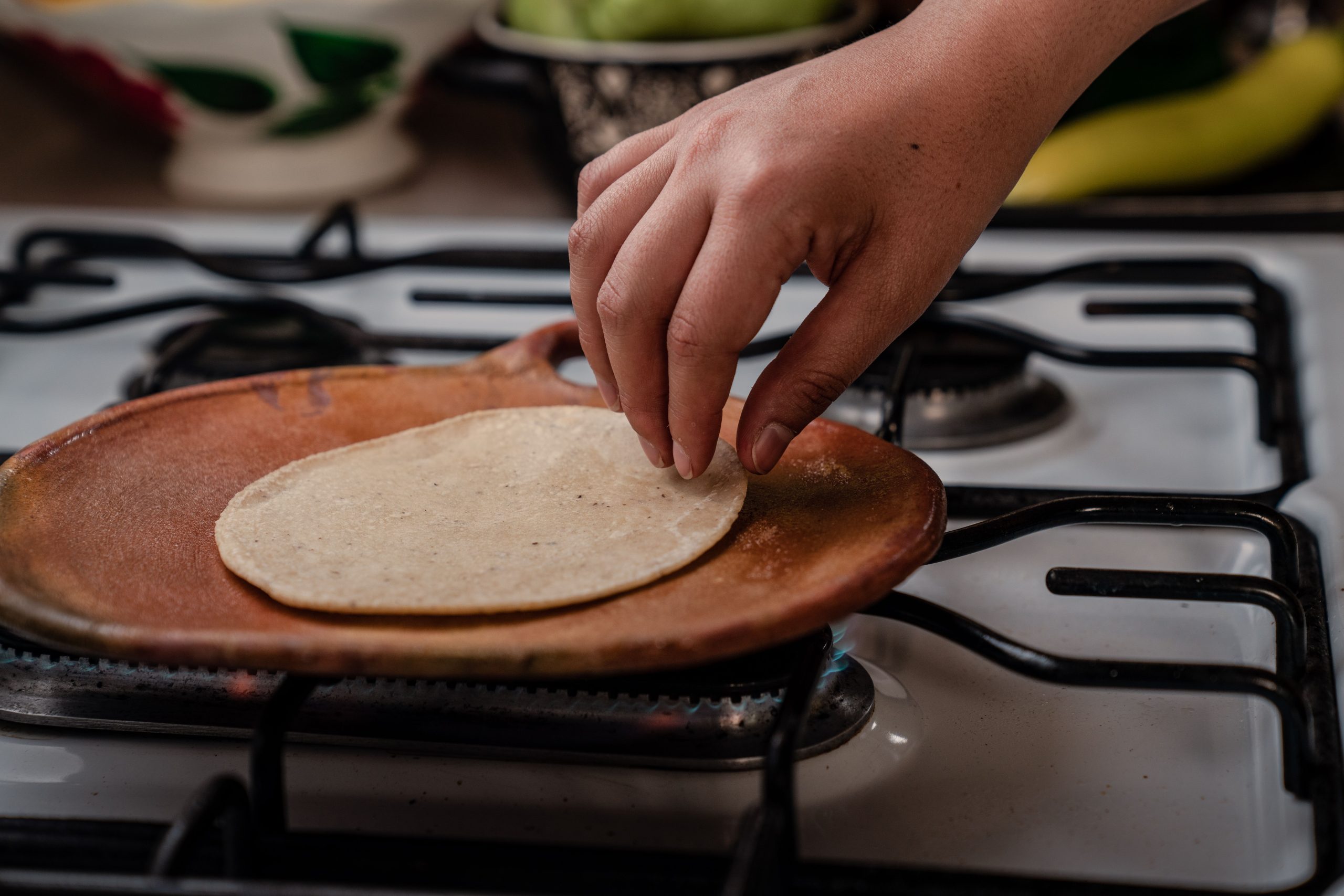
On August 10, 2026, a fast-casual Mexican restaurant opened at 5045 West Tropicana Avenue, Suite 115, in central Las Vegas, about a mile west of the Strip. The first 100 guests received a complimentary meal. The restaurant offered no celebrity chef attachment, no casino property affiliation, no viral social media strategy tied to the opening. Just handmade tortillas, trompo-roasted meats, and a kitchen built around the proposition that quality Mexican food at a casual price point requires exactly the same commitment to technique and ingredients that fine dining does.
Maiz Mama, a fast-casual concept anchored by handmade tortillas, trompo-roasted meats, and scratch-made cuisine prepared in an exhibition kitchen, debuted at 5045 W. Tropicana Ave. Suite 115 on Monday, August 10. Named for the corn at the heart of Mexican cuisine, Maiz Mama presses and cooks its tortillas from scratch daily. Signature proteins, including al pastor and chicken, are roasted on traditional vertical trompos, rotating spits that slowly build savory, lightly charred flavor before the meat is sliced fresh to order.
The concept is owned by a group that includes longtime restaurateurs Jesus Chavez and Tommy Galoosian, both with established Las Vegas hospitality backgrounds rather than celebrity profiles. This ownership structure, experienced operators without famous names attached, characterizes the majority of the restaurant openings that shape Las Vegas dining culture in ways that Strip celebrity concepts rarely acknowledge.
Understanding what Maiz Mama is attempting, why its specific choices around tortilla production and protein preparation matter more than they might initially appear, and what its central Las Vegas location reveals about where the city’s fast-casual landscape is developing requires looking carefully at each element.
The Tortilla as Founding Principle
“Maiz Mama is built around the idea that great food starts with great ingredients and time-honored techniques,” Jesus Chavez said at the opening announcement. “We’re making tortillas by hand, preparing our proteins in-house and bringing the energy of the kitchen to where guests can see it.”
Hand-pressed tortillas are not a luxury upgrade in Mexican cooking. They are the baseline of quality against which everything else in the meal is measured. A tortilla pressed and cooked daily from masa ground on premises tastes fundamentally different from a commercially produced tortilla, in the same way that bread baked fresh each morning tastes fundamentally different from packaged sliced bread. The difference isn’t subtle or accessible only to trained palates. Anyone eating side by side can taste it immediately.
The problem for fast-casual restaurants is that hand-pressing tortillas is slow, requires skilled labor, and doesn’t scale with the push-button efficiency that fast-casual economics typically demand. Most Mexican fast-casual concepts resolve this tension by using commercial tortillas and competing on other dimensions, which leaves hand-pressed tortillas as a genuine differentiator for the operators willing to absorb the operational complexity.
Maiz Mama’s founding commitment to daily tortilla production from scratch signals that the owners understand this trade-off and have chosen quality over operational simplicity. For diners, this means every taco, burrito, and bowl starts from a fundamentally better foundation than most fast-casual competitors provide. For the business, it means labor costs and production timelines that require genuine volume to make the economics work.
The exhibition kitchen, visible to guests rather than hidden behind a wall, serves multiple purposes. It creates transparency that builds trust, allowing diners to watch the tortillas being pressed and the trompo proteins being sliced. It generates kitchen energy that transforms the dining experience from transactional to theatrical in a minor but meaningful way. And it keeps the kitchen team accountable to standards that invisible kitchens sometimes let slip during slow periods.
The Trompo Tradition
The trompo, a vertical rotating spit used to cook al pastor and similar marinated meats, arrived in Mexico with Lebanese immigrants in the early twentieth century. The technique, derived from shawarma and döner kebab preparation, became so thoroughly integrated into Mexican street food culture that its immigrant origins are largely invisible to contemporary diners. Al pastor cooked on a trompo is now simply Mexican, as authentically so as mole or tamales.
What makes the trompo relevant to understanding Maiz Mama’s positioning isn’t cultural history but operational commitment. Trompo cooking requires specific equipment, specialized preparation of the marinaded meats, careful monitoring of the rotating spit to ensure even cooking and proper caramelization, and skilled slicing technique to achieve the combination of crispy exterior and juicy interior that distinguishes excellent al pastor from mediocre versions.
This is not the path of least resistance for a fast-casual operator. Buying pre-cooked, pre-sliced protein from a commercial supplier would be cheaper, faster, and more operationally predictable. Maiz Mama’s commitment to in-house trompo cooking, alongside the hand-pressed tortillas, establishes a pattern of choosing the harder, slower, more expensive method because that method produces superior results.
In Las Vegas specifically, where the casual Mexican dining market includes dozens of options ranging from Chipotle-style assembly lines to sit-down neighborhood restaurants, this commitment to technique at a fast-casual price point creates a specific competitive position. Diners who want the tortilla quality and protein care of a serious neighborhood Mexican restaurant but prefer the speed and price point of fast-casual have limited options. Maiz Mama addresses this gap directly.
The Location Logic
5045 West Tropicana Avenue is not a Strip address. It is not a Chinatown address. It is not UnCommons or The Collective or any of the designated dining destination corridors that have captured Las Vegas food media attention in 2026. It is a central Las Vegas retail strip, west of the casino corridor, serving a residential and commercial neighborhood that includes significant Mexican-American community presence alongside the broader valley population.
This location choice reflects either deliberate targeting of an underserved market or simple commercial real estate pragmatism, and understanding which matters for how we interpret the concept. If deliberate, Maiz Mama’s central Las Vegas address signals confidence that the neighborhood’s existing Mexican food culture creates an informed, demanding customer base that will recognize and reward genuine quality in tortilla production and trompo cooking. If pragmatic, the lower real estate costs allow the restaurant to price its high-quality ingredients and labor-intensive preparation at fast-casual price points that a Strip or Chinatown location might require charging higher to support.
Either way, the central Las Vegas location means Maiz Mama must earn its following through food quality and word-of-mouth rather than through tourist foot traffic or the dining destination gravity that established restaurant corridors generate. This is both more demanding and more authentic than locating within a curated dining environment where the address itself provides credibility.
The opening day offer of complimentary meals to the first 100 guests reflects standard local restaurant marketing rather than the large-scale opening events that casino property openings require. This modest launch approach fits a concept built for neighborhood loyalty rather than initial media splash.
Fast-Casual Mexican in 2026
The fast-casual Mexican category has been dominated by Chipotle’s burrito bowl model for nearly three decades. The company’s operational genius, standardizing a limited menu around assembly-line efficiency while using ingredients slightly better than fast food competitors, created a category template that dozens of regional and national competitors have attempted to replicate or differentiate from with varying success.
The meaningful differentiation attempts have generally come from two directions: upscaling the ingredient quality and preparation complexity toward sit-down restaurant standards while maintaining fast-casual pricing, or deepening regional Mexican specificity rather than offering pan-Mexican accessibility. Maiz Mama attempts both simultaneously, which is the more ambitious path.
Hand-pressed tortillas and trompo-cooked al pastor represent genuine regional technique rather than pan-Mexican approximation. The birria ramen noted in coverage of the restaurant’s opening menu, a contemporary Mexican-Japanese fusion that has swept social media in recent years, signals awareness of current food culture alongside the traditional preparation commitments. And the bowl and burrito format acknowledges that Las Vegas diners expect the assembly-line ordering efficiency that Chipotle normalized without requiring them to abandon it for a more complex sit-down Mexican dining experience.
Notes and Key Takeaways
For Restaurant Operators:
Maiz Mama’s founding commitment to daily hand-pressed tortillas and in-house trompo cooking establishes a quality floor that differentiates the concept from fast-casual competitors absorbing commercial tortilla and pre-cooked protein costs. This commitment requires operational discipline and sufficient volume to be economically viable, but creates genuine quality differentiation that price and location adjustments cannot easily replicate.
For Diners:
Maiz Mama offers Las Vegas the unusual combination of hand-pressed tortillas, trompo-roasted proteins, and exhibition kitchen transparency at fast-casual prices and speed. The central Las Vegas location at West Tropicana serves a residential market that has historically lacked this quality level at this price point in the immediate neighborhood.
For Las Vegas:
Maiz Mama’s opening adds to the growing body of evidence that Las Vegas’s dining culture extends well beyond Strip celebrity concepts and established Chinatown corridors. Neighborhood fast-casual concepts with serious technique commitments serve the residential majority of Las Vegas residents who eat locally rather than traveling to designated dining destinations for daily meals.
Important Insights:
The exhibition kitchen serves dual purposes as both transparency mechanism and quality accountability tool. Visible kitchens where guests watch food preparation create implicit performance standards that hidden kitchens don’t face. A tortilla-presser who knows customers are watching presses better tortillas than one working unseen.
The birria ramen addition to a menu otherwise rooted in Tijuana-style preparation reflects awareness that younger Las Vegas diners follow food social media closely and expect contemporary Mexican innovation alongside traditional technique. The tension between traditional and contemporary is navigated by making both authentically rather than compromising either.
Chavez and Galoosian’s established Las Vegas hospitality backgrounds provide operational credibility that first-time restaurateurs lack. Opening a restaurant with daily tortilla production and in-house trompo cooking requires real operational experience. The founding team’s track record suggests the commitment is backed by genuine understanding of what delivering it requires.
The opening free meal offer, deliberately modest at 100 complimentary meals rather than the larger giveaways that some openings use to generate media attention, targets word-of-mouth from the neighborhood rather than broader publicity. This approach builds the local regular customer base that sustains neighborhood restaurants long after initial opening coverage fades.
Fast-casual pricing for trompo-cooked, hand-pressed quality creates a value proposition that could sustain high volume if the neighborhood proves responsive. The economic model works only if enough customers choose Maiz Mama over its faster, cheaper, lower-quality competitors often enough to cover the additional labor and ingredient costs. The opening response, sufficient to prompt the Las Vegas Review-Journal preview coverage before opening day, suggests initial awareness is building appropriately.