


Gino and Rosalba Ferraro opened their Italian restaurant on Paradise Road in Las Vegas in 1985. Ronald Reagan was in his second term. The Bellagio didn’t exist. The celebrity chef era was nearly a decade away. Las Vegas’s dining culture was defined by showroom steaks and casino buffets, and a genuine Italian family restaurant operating off the Strip was, by any conventional tourism logic, a strange bet.
Forty years later, Ferraro’s Ristorante is still there. Not a different restaurant with the same name, not a concept that reinvented itself into something unrecognizable, not a brand that got acquired and standardized by a hospitality group. The same family, the same Paradise Road address, the same commitment to hand-made pasta and all-natural ingredients that Gino and Rosalba built the restaurant around when they opened it.
(cite index=”198-1″>Executive Chef Mimmo Ferraro, who continues his parents’ culinary legacy, has brought back the restaurant’s annual Summer in Italy special, running June 15 through August 23, 2026. Ferraro’s celebrates its 40th anniversary this year.
(cite index=”199-1″>The Summer in Italy prix fixe, at $75 per person for four courses, showcases lighter and brighter Italian flavors of the season: zucchini blossoms, seafood pastas, citrus and fresh herbs. As Mimmo put it, Italian cuisine shifts with the seasons in ways that American restaurant culture doesn’t always honor, and Summer in Italy is the annual occasion to demonstrate what those seasonal shifts actually look like when executed with the ingredients and technique the season deserves.
Understanding what four decades of continued operation means, what the Summer in Italy program reveals about how Ferraro’s positions itself in a market that has become dramatically more competitive, and what a 40-year-old family restaurant can teach about the economics and culture of hospitality requires taking the full arc of this restaurant’s history seriously.
The 1985 Bet
Opening a serious Italian restaurant in Las Vegas in 1985 required a specific kind of belief. Not faith that the Strip would eventually support serious dining, though that proved correct, but faith that there was an audience for authentic Italian family cooking that existed independent of the tourist corridor. The Ferraros were betting on Las Vegas as a city where people lived and ate well, not just a destination where visitors came to gamble and watch shows.
This bet on the local audience has sustained Ferraro’s through every market cycle that has disrupted Strip dining over four decades. Recessions sent tourists home but left Las Vegas residents still needing to eat. The celebrity chef invasion of the late 1990s and 2000s threatened to make independent restaurants invisible, but Ferraro’s regulars kept returning because they were loyal to the family, not to a concept. The pandemic devastated hospitality across the industry, but restaurants with deep local customer bases survived at higher rates than tourist-dependent concepts.
None of this is accidental. A restaurant that cultivates genuine local regulars across forty years builds a form of customer loyalty that marketing budgets cannot replicate. The Ferraro family knows many of their regulars by name, has cooked for them through marriages and divorces, children’s birthdays and funerals, the full arc of Las Vegas lives. This relationship-based loyalty is genuinely different from brand loyalty driven by marketing.
What Mimmo Inherited and What He Built
Gino Ferraro was the founding vision. Mimmo Ferraro is the continuation, which is both a gift and a burden. Inheriting a successful family restaurant means receiving a going concern, a loyal customer base, and established suppliers rather than starting from scratch. It also means carrying the weight of comparison with the original, of decisions about what to preserve and what to evolve, and of demonstrating that the family’s culinary vision extends beyond the founding generation.
Mimmo has navigated this inheritance through a specific strategy: deepen the wine program while maintaining the food’s fundamental identity. (cite index=”200-1″>The wine cellar at Ferraro’s now holds more than 1,800 labels and 22,000 bottles, and has been awarded Gambero Rosso’s Tre Bottiglie distinction in 2023 and recognized as a top Italian collection for three consecutive years. Gambero Rosso is the most respected Italian food and wine publication, and its Tre Bottiglie distinction for a wine cellar in Las Vegas is genuinely remarkable, signaling that Ferraro’s wine program stands alongside serious Italian collections internationally rather than simply offering recognizable Italian labels at resort-level markups.
This wine focus creates a specific value proposition that most Las Vegas Italian restaurants can’t match. The celebrity chef concept at a major casino can offer an impressive wine list, but it rarely builds the kind of curated depth across 1,800 labels that comes from forty years of active collecting and curation. Ferraro’s wine program has become one of the genuine competitive differentiators that sustains the restaurant in a market where the food competition has intensified dramatically since 1985.
The Summer in Italy Program as Annual Ritual
The Summer in Italy special has returned annually for long enough to have become an institution within an institution. Regulars plan around it. New customers discover the restaurant through it. And the $75 prix fixe price point creates genuine value in a Las Vegas dining market where comparable four-course Italian meals at casino properties routinely cost considerably more.
(cite index=”201-1″>Mimmo described the Summer in Italy philosophy: Italian cuisine at this time of year shifts to lighter and brighter flavors, zucchini blossoms, seafood pastas, citrus and fresh herbs. The prix fixe menu is designed to feel balanced, with each course perfectly flowing into the next.
This description captures something important about what distinguishes Ferraro’s culinary approach from the broader Italian restaurant market in Las Vegas. Most Italian restaurants in the city operate on static menus that don’t meaningfully change with seasons, because their customer base includes tourists who won’t return to experience seasonal evolution. Ferraro’s can and does adjust with seasons because its customer base includes locals who return regularly enough to notice and appreciate the difference.
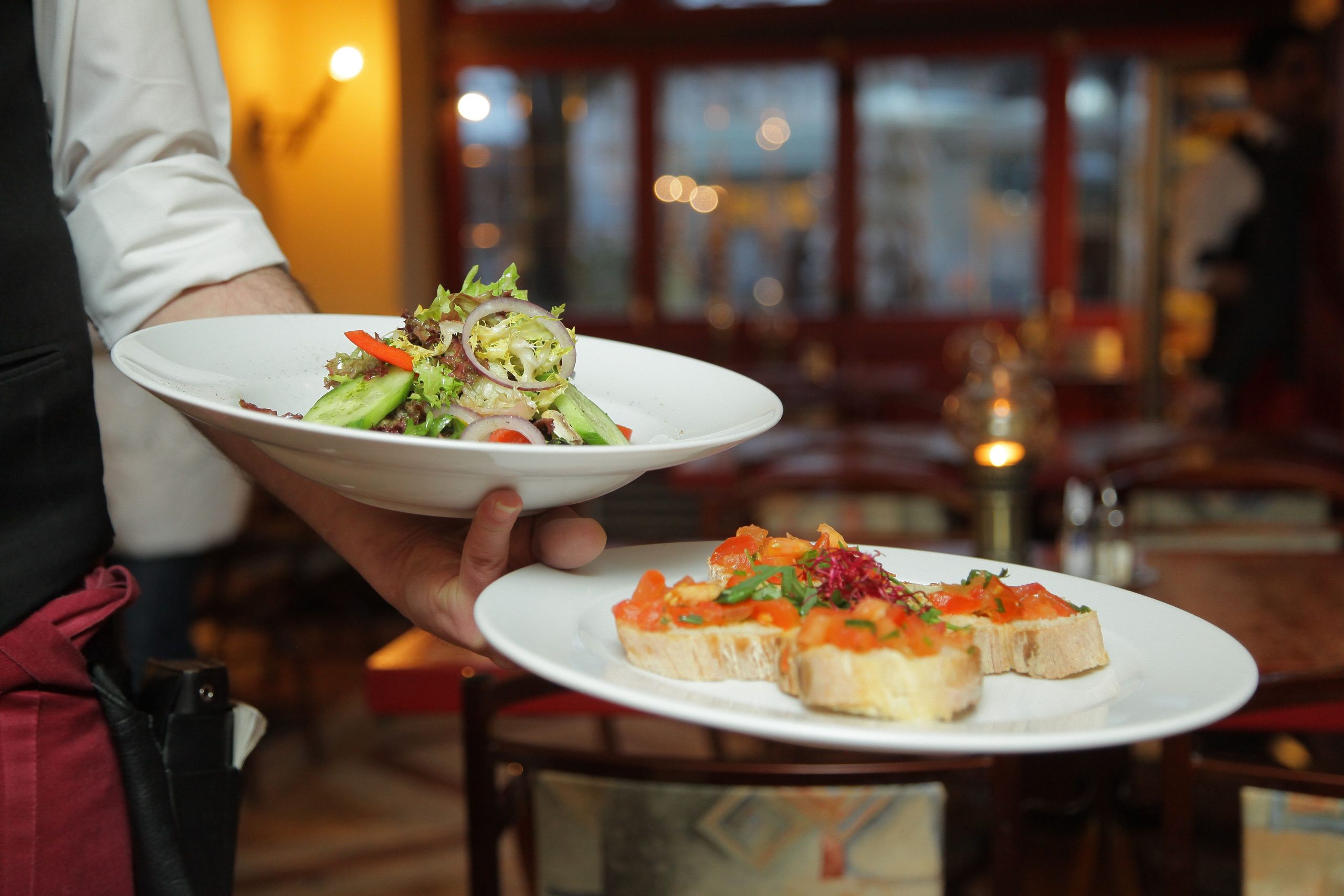
The Summer in Italy menu in 2026 reflects genuine seasonal Italian cooking. (cite index=”201-1″>Stuffed zucchini blossoms, burrata with blueberry compote and arugula, spaghetti with clams, gnocchi with pistachio pesto, veal scaloppine in lemon sauce, salmon with pistachio pesto risotto, and the signature Osso Buco for an additional charge are all preparations that make specific sense in summer rather than being generic Italian dishes that could appear on any menu in any season.
The Osso Buco availability with a supplement is characteristically Ferraro’s. The dish, braised veal shank served over farro, is one of the restaurant’s signatures regardless of season. Making it available during Summer in Italy as an optional supplement rather than a menu default shows respect for the seasonal program’s integrity while acknowledging that regulars may specifically want the dish they’ve been ordering here for years.
The Paradise Road Address in Context
Ferraro’s location at 4480 Paradise Road, east of the Strip near the Hard Rock Hotel corridor, has defined its identity as long as the restaurant has operated. Paradise Road serves a mix of Strip-adjacent hotels, convention facilities, medical offices, and residential streets, creating customer flow that differs meaningfully from pure Strip properties or suburban neighborhood restaurants.
Convention business has been particularly important to Ferraro’s across four decades. Las Vegas hosts more conventions than virtually any other American city, and conventioneers staying near the Strip need good dinner options within reasonable distance. A forty-year institution with an exceptional wine program and genuine Italian family cooking provides exactly what this audience wants: somewhere with substance and story that they can recommend to others back home.
The location also generates local business lunch and dinner traffic from the medical and professional offices that line Paradise Road’s office corridors. This daytime traffic, often overlooked in Las Vegas dining coverage that focuses on evening experiences, provides revenue stability that tourist-dependent restaurants lack.
The Gambero Rosso Recognition and What It Means
(cite index=”200-1″>Gambero Rosso’s Tre Forchette distinction in 2024 and Top Italian Restaurant recognition for three consecutive years place Ferraro’s within an internationally recognized framework for Italian culinary excellence. Understanding what this means requires knowing what Gambero Rosso is and why its specific recognition carries weight that American food media coverage doesn’t replicate.
Gambero Rosso, literally red shrimp, is Italy’s premier food and wine publication. Its annual guide to Italian restaurants and wine evaluates using criteria developed by Italian food culture rather than adapted from American or French frameworks. The Tre Forchette, three forks, designation recognizes restaurants serving authentic Italian cuisine at the highest quality level. Receiving this recognition as a Las Vegas restaurant, not an Italian restaurant in Rome or Florence, is exceptional.
The wine cellar’s Tre Bottiglie recognition sits alongside this in the same internationally calibrated framework. These aren’t local or regional awards designed to celebrate Las Vegas’s best given its context. They’re international quality assessments that happen to recognize a forty-year-old family restaurant on Paradise Road.
Notes and Key Takeaways
For Restaurant Operators:
Ferraro’s forty-year survival and continued critical recognition demonstrates that local customer loyalty, built through relationship rather than marketing, provides resilience through market disruptions that tourist-dependent concepts lack. The Summer in Italy program, returning annually for long enough to become an institution, illustrates how recurring seasonal events can strengthen local regulars’ relationships with a concept while providing entry points for new customers.
For Diners:
The Summer in Italy special at $75 for four courses runs through August 23, 2026, providing value for genuine seasonal Italian cooking that the restaurant’s Gambero Rosso-recognized kitchen executes with forty years of accumulated technique. The 22,000-bottle wine cellar provides accompanying options at a level of curation that most Las Vegas Italian restaurants cannot approach.
For Las Vegas:
Ferraro’s forty-year run in a city defined by constant renovation and concept replacement is a specific kind of achievement that the food media often overlooks in favor of covering what’s new. The restaurant’s continued operation, distinguished wine recognition, and ability to attract both loyal local regulars and serious food travelers represents the institutional depth that every great dining city needs alongside its continuous stream of new openings.
Important Insights:
The Gambero Rosso recognition places Ferraro’s within an international Italian culinary framework that most Las Vegas restaurants never access. Recognition by Italian food culture’s most respected publication, rather than American food media that often evaluates Italian cooking without deep cultural fluency, carries specific credibility with the Italian-American community and serious Italian food enthusiasts who know what the distinction means.
Forty years of continued operation through Reagan, Clinton, Bush, Obama, Trump, Biden, and whoever comes next represents a specific form of business discipline that hospitality commentators consistently undervalue. Most Las Vegas restaurants last less than five years. Most celebrity chef concepts have come and gone multiple times in the period Ferraro’s has been operating continuously.
The Summer in Italy program’s $75 price point in 2026 represents genuine value relative to comparable quality at Strip Italian restaurants, most of which charge substantially more for equivalent preparation quality. This value positioning for a special program rather than everyday dining creates a specific occasion economy around the offering that drives reservations from customers who might not book at regular menu prices.
Mimmo’s strategy of deepening the wine program while maintaining food fundamentals reflects sophisticated understanding of where Ferraro’s can achieve genuine competitive differentiation. Food differentiation at the Strip’s most elevated Italian restaurants is increasingly difficult because the investment levels available to casino properties dwarf what family restaurants can deploy. Wine differentiation through forty years of active curation is something money cannot simply buy.
The local Nevada ID requirement that has historically been part of Ferraro’s Summer in Italy promotion, verifying that the special is for residents rather than tourists, reflects the restaurant’s foundational commitment to the Las Vegas community that started when Gino and Rosalba Ferraro made their original 1985 bet on the city’s residents rather than its visitors.