

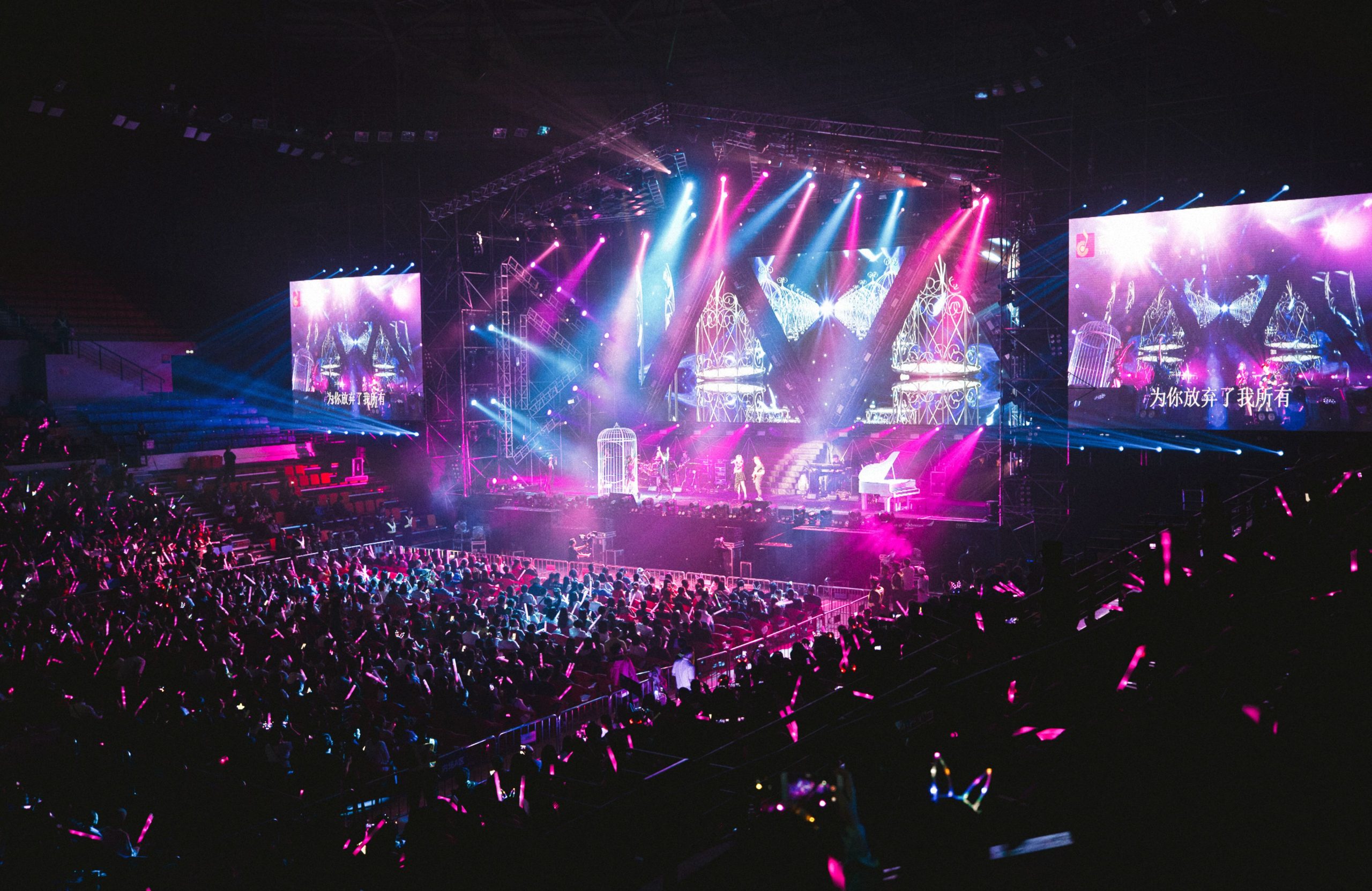
On September 6, 2026, J. Cole played T-Mobile Arena in Las Vegas. The stop served up two hours of proof that an artist of his caliber can balance mainstream success without sacrificing the nuance and intentionality that got him there.
That sentence, from the Las Vegas Sun’s review, contains a commercial argument disguised as an aesthetic observation. The word proof is doing significant work. A J. Cole arena show is not proof that quality and commercial success can coexist in the abstract. It is proof that a specific audience, large enough to fill T-Mobile Arena’s 20,000 seats, will pay premium prices for hip-hop that demands genuine attention rather than providing pure entertainment spectacle.
This is a commercially significant distinction in a market that has spent fifteen years optimizing hip-hop entertainment for spectacle through the Las Vegas nightclub and dayclub format. Understanding what J. Cole’s touring model represents, and what it means for Las Vegas as a hip-hop entertainment market beyond the nightclub circuit, requires separating the artistic from the economic.
The No-Feature Economy
J. Cole has built a career on a specific and commercially counterintuitive premise: that the most successful hip-hop albums do not need guest features from other famous artists. His 2016 album 2014 Forest Hills Drive was released with zero features. It went platinum multiple times. The Sideline Story, Born Sinner, and KOD followed the same approach. His latest work maintains the same philosophy.
In hip-hop economics, features serve multiple commercial functions simultaneously. They expand the target audience by bringing fans of the featured artist to the project. They provide insurance against critical failure by distributing creative risk across multiple names. And they create marketing moments that individual-artist releases cannot generate alone.
J. Cole has systematically rejected all of these benefits and built a more commercially durable career than most feature-dependent artists of his generation. The logic, which he has articulated explicitly across interviews, is that features create dependencies that undermine the coherent artistic vision that builds genuine long-term audiences rather than just peak-moment commercial success.
This philosophy manifests directly in live performance. A two-hour J. Cole show has no feature moments where another artist temporarily takes the audience’s attention. It is two hours of J. Cole performing J. Cole material to an audience that came specifically for J. Cole. The commercial result of this approach is the T-Mobile Arena sellout: an audience that is maximally committed to the specific artist rather than partially interested in a production that happens to feature that artist.
What T-Mobile Arena Means for Hip-Hop in Las Vegas
We have examined hip-hop’s Las Vegas presence throughout this series primarily through the lens of nightclub and dayclub programming: resident DJs, bottle service culture, and the specific economic model of Las Vegas nightlife. J. Cole at T-Mobile Arena represents a different expression of hip-hop’s Las Vegas commercial footprint.
A T-Mobile Arena concert booking requires demonstrated ability to sell 20,000 tickets in a market where the base of dedicated local hip-hop fans is supplemented by tourists who are in Las Vegas for other reasons but will add a specific concert to their itinerary. The tourist supplement works particularly well for artists with strong nostalgic or cultural significance for the demographic that drives Las Vegas leisure tourism.
J. Cole occupies a specific position in this market: his core audience is concentrated in the 25-to-40 age range, a demographic that is past the peak nightclub years and more inclined toward concert formats where the music is the primary experience rather than the backdrop to bottle service social dynamics. This demographic also travels to Las Vegas regularly and makes entertainment decisions based on what is happening during their trip.
The concert format also reaches J. Cole listeners who do not engage with Las Vegas nightlife at all. A fan who would never pay $300 for a nightclub table minimum might readily pay $150 for a concert ticket that provides two hours of dedicated music engagement. The concert expands the market for hip-hop entertainment in Las Vegas beyond the subset of fans who want the nightclub experience.
The Artistic Credibility Premium
The Las Vegas Sun’s characterization of J. Cole’s show as proof of balancing mainstream success with nuance and intentionality reflects a specific audience value proposition that the DJ-driven nightclub format cannot deliver: the experience of being in the presence of genuine artistic craft being executed at high level.
This experience commands a premium because it is genuinely scarce. There are many DJs who can program a technically excellent nightclub set. There are few artists who can hold a 20,000-person arena’s attention for two hours with nothing but a microphone, a backing track, and material that requires the audience to listen rather than simply feel.
The scarcity creates pricing power. A J. Cole ticket at T-Mobile Arena is priced based on that scarcity rather than on the production costs that spectacular stadium shows require. The shows are expensive not because of lighting rigs and pyrotechnics but because J. Cole is among the few hip-hop artists who can fill the room without production spectacle to compensate for artistic depth.
This represents a different kind of premium than what we have examined in Sphere residencies, symphony-orchestra hip-hop concerts, and nightclub megaclub programming. Those premiums are production premiums: the price reflects what was spent to create the experience. The J. Cole premium is a scarcity premium: the price reflects that the specific thing being offered cannot be obtained through any other means.
Las Vegas’s Hip-Hop Infrastructure
J. Cole’s September 6 T-Mobile Arena stop occurred in a Las Vegas hip-hop market that includes active nightclub residencies from artists like Cardi B and Snoop Dogg through the iHeartRadio festival, regular bookings at Hakkasan and XS, the Jeezy orchestral residency we documented at PH Live earlier in this series, and occasional arena stops from touring acts.
This represents a more developed hip-hop entertainment ecosystem than Las Vegas possessed a decade ago, when the genre’s Strip presence was primarily concentrated in nightclub programming with occasional festival bookings. The diversity of formats, nightclub, orchestral residency, arena tour, and the diversity of hip-hop styles they represent, concert rap, symphonic rap, festival rap, reflects a market mature enough to support multiple simultaneous expressions of the genre.
The gap that remains is the same we identified throughout this series: dedicated programming infrastructure that develops local hip-hop talent rather than exclusively serving imported artists. Las Vegas has produced individual hip-hop artists of note, but without the scene development infrastructure, the regular showcase venues, the press coverage, and the pathway events, that talent tends to develop elsewhere or not develop at all.
Key Insights
(cite index=”60-1″>Two-hour no-feature show provides proof that genuine artistic craft commands arena-scale commercial demand from an audience that came specifically for the artist rather than for production spectacle supplementing average material. No-feature philosophy builds maximally committed audiences that purchase specifically for the artist rather than for the constellation of featured names, creating sustainable commercial trajectory that feature-dependent artists cannot replicate without continuous collaboration. T-Mobile Arena concert format reaches hip-hop fans who do not engage with Las Vegas nightclub culture, expanding the genre’s commercial footprint beyond the bottle service demographic that nightclub programming primarily serves.
Artistic credibility premium differs structurally from production premium: price reflects scarcity of genuine craft rather than cost of spectacular staging, creating pricing power that survives production cost compression. Las Vegas hip-hop ecosystem maturation across multiple simultaneous formats, nightclub, orchestral residency, and arena tour, reflects genre’s development from nightclub-exclusive to multi-format entertainment category with distinct audience segments.
Notes on the Show
The Las Vegas Sun review that documented the September 6 T-Mobile Arena stop did not spend much time on commercial analysis. It spent time on the music: on J. Cole’s technical precision, on the moments where the crowd’s recognition of specific verses produced the particular energy that separates a good concert from a meaningful one.
That gap between what the review covered and what this article covers is itself instructive. The economic analysis of why J. Cole can fill T-Mobile Arena matters for understanding the Las Vegas market. The emotional experience of being inside T-Mobile Arena when 20,000 people know every word of a song that was written to be listened to alone matters for understanding why the market sustains.
Both things are true simultaneously. The business works because the art works. In Las Vegas more than anywhere else in American entertainment, these two propositions are tested against each other constantly, and the results of those tests shape everything from Sphere’s programming philosophy to the Virgin Hotels open mic finale happening three days later.
J. Cole passed the test on September 6. Two hours. No features. Twenty thousand people. Las Vegas.