



James Trees opened Esther’s Kitchen at 1131 South Main Street in Las Vegas’s 18b Arts District in 2017. The timing looked either brave or foolish depending on your read of the neighborhood. The Arts District then was what emerging creative neighborhoods always are before they tip into mainstream recognition: genuinely interesting, genuinely rough around the edges, and genuinely uncertain about whether the interesting would outlast the rough. Restaurants had opened there before and struggled. The foot traffic patterns that sustain Strip dining didn’t exist on South Main Street.
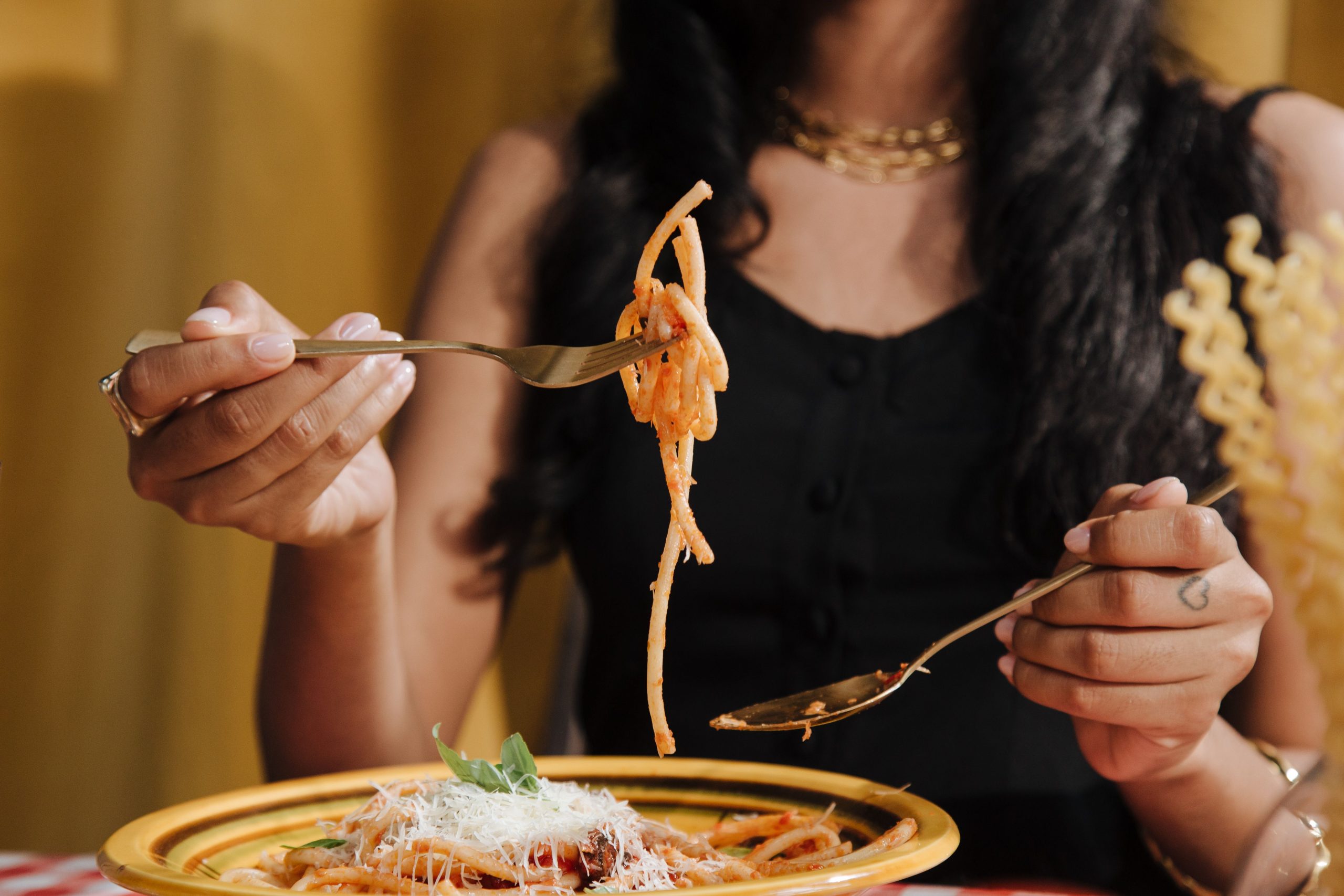
What Trees built anyway was a neighborhood Italian restaurant in the most literal sense. House bread baked fresh every morning. House pasta made from scratch throughout the day. A wood-fired oven that anchored both the kitchen’s capabilities and the dining room’s sensory identity. A wine program that took seriously the Italian regional traditions that most American Italian restaurants treat as marketing categories rather than genuine culinary distinctions. And a dining room where the energy felt like someone was genuinely happy you showed up, rather than performing the hospitality that casino dining requires.
(cite index=”156-1″>Esther’s Kitchen received a Bib Gourmand distinction in the inaugural Michelin Guide Southwest, recognized for its Italian cuisine in Downtown Las Vegas.
The Bib Gourmand designation, awarded to restaurants offering quality cooking at good value, is a specific statement about what Trees has built. It doesn’t say Esther’s Kitchen is the most technically dazzling restaurant in Las Vegas. It says that what it delivers, in terms of genuine quality relative to what it charges, warrants the attention of the world’s most respected culinary guide. In a city where Michelin starred restaurants charge $150 to $400 per person, Esther’s Kitchen’s neighborhood pricing makes the Bib Gourmand designation the democratically most significant recognition of the evening.
What the Bib Gourmand Actually Means
Michelin created the Bib Gourmand designation in 1997, named after Bibendum, the Michelin Man, with the specific intention of directing diners toward quality that doesn’t require luxury spending. The guide’s inspectors eat anonymously at every restaurant on the list, paying their own bills, and evaluate whether the experience represents genuine value, not just whether the food is acceptable for the price.
The distinction sits below starred recognition in Michelin’s hierarchy but above the Recommended category, occupying a specific evaluation space that neither tier captures. A starred restaurant is measured by how close it approaches culinary perfection. A Bib Gourmand is measured by how completely it satisfies across all dimensions, including value, atmosphere, and the overall pleasure of the experience, at prices that don’t require special occasion justification.
For neighborhood restaurants, the Bib Gourmand is arguably the more meaningful recognition. Starred dining is by definition exclusive, accessible to the dining public on specific terms. Bib Gourmand restaurants are the places Michelin is directing everyday diners toward, the places where genuine quality exists within reach of regular restaurant spending rather than reserved for occasions worth hundreds of dollars per person.
Nine Years of Consistency
The Michelin Guide evaluates consistency as one of its core criteria. A restaurant that delivers extraordinary food on the night an inspector visits but inconsistently otherwise doesn’t earn recognition. Trees’s nine years of sustained operation at Esther’s Kitchen, building the restaurant from a neighborhood bet into one of Las Vegas’s most consistently praised dining destinations, provided exactly the track record Michelin’s anonymous inspectors would encounter across multiple visits.
This consistency is harder to achieve than it sounds. The restaurant expanded its footprint over the years, adding Bar Boheme around the corner. Trees became more visible nationally, including James Beard Award recognition as a semifinalist in Best Chef Southwest. The Arts District itself transformed from uncertain emerging neighborhood to established destination, bringing increased foot traffic that can create quality control pressures on kitchens.
Through all of this, the fundamental quality of Esther’s Kitchen’s house bread, house pasta, and wood-fired preparations remained consistent enough to earn national coverage from food writers visiting Las Vegas specifically to assess the independent dining scene. The restaurants that sustain this kind of quality through expansion, growth, and increased external attention are precisely the restaurants Michelin’s Bib Gourmand is designed to identify.
The Arts District Now vs. 2017
The neighborhood that Esther’s Kitchen opened in 2017 barely resembles the Arts District of 2026. South Main Street, which felt genuinely untested as a restaurant destination when Trees signed his lease, now hosts a cluster of serious dining concepts that have collectively created destination dining culture in the neighborhood. Bar Boheme, which Trees himself opened, brought French bistro cooking to the corridor. SoulBelly BBQ, also recognized in the Michelin Recommended category, brings Central Texas barbecue to South Main. Several galleries, studios, and creative businesses have continued developing around these anchors.
Esther’s Kitchen’s Bib Gourmand validates not just the restaurant but the neighborhood’s entire culinary development arc. When Michelin includes a Downtown Las Vegas Arts District restaurant in its inaugural Southwest guide, it’s confirming that the guide’s inspectors evaluated the full Las Vegas dining geography, found quality worth recognizing on South Main Street, and placed it alongside Strip properties receiving stars. This geographical validation matters enormously for the Arts District’s continued development as a dining destination.
(cite index=”154-1″>The Michelin Guide’s Recommended category also includes SoulBelly BBQ on South Main Street, placing two Arts District restaurants in the same inaugural Michelin Guide Southwest selection. This double recognition in a single neighborhood that wasn’t on any international culinary map a decade ago is the kind of credentialing that accelerates neighborhood transformation and attracts new restaurant investment.
The Jamie Tran Connection
Jamie Tran at The Black Sheep, whose advocacy for off-Strip dining was documented in earlier coverage of the Michelin preview discussions, specifically named Esther’s Kitchen as a restaurant that deserved recognition. The Bib Gourmand result confirms what the Las Vegas culinary community’s most respected voices were saying before the ceremony.
This peer-to-peer recognition, where serious Las Vegas chefs identify Esther’s Kitchen as worthy of international critical attention, is a different kind of validation than consumer reviews or food media coverage. It reflects the professional community’s evaluation of technical quality, sourcing discipline, and the sustained commitment to craft that distinguishes a restaurant worth recognizing from one that simply earns positive reviews.
Trees’s decision to open Bar Boheme in the same corridor, rather than pursuing more commercially obvious locations, reflected confidence in the Arts District’s long-term development that the Michelin recognition now validates. A chef who believed enough in South Main Street to open a second restaurant there, when other locations might have offered more immediate traffic, was reading the neighborhood’s trajectory correctly.
Notes and Key Takeaways
For Restaurant Operators:
Esther’s Kitchen’s Bib Gourmand demonstrates that neighborhood Italian cooking, executed with genuine craft and sustained consistency, earns international culinary recognition regardless of location outside the Strip corridor. The nine-year track record before the guide returned to Las Vegas created exactly the consistency evidence Michelin’s evaluation requires.
For Diners:
Esther’s Kitchen at 1131 South Main Street in the Arts District offers Michelin-validated Italian cooking, built on house bread, house pasta, and wood-fired preparations, at neighborhood pricing that makes it among the most accessible dining destinations in Las Vegas’s inaugural Michelin Guide. The Bib Gourmand designation specifically identifies it as quality cooking worth seeking out.
For Las Vegas:
Esther’s Kitchen’s recognition alongside SoulBelly BBQ in the same Arts District confirms that Michelin’s inspectors evaluated the full Las Vegas dining geography rather than confining their attention to Strip properties. This neighborhood validation is the inaugural guide’s most important signal about where Las Vegas dining culture will develop over the next decade.
Important Insights:
The Bib Gourmand recognition for Esther’s Kitchen places Trees in an unusual position: the chef who received the guide’s value-recognition category simultaneously operates Bar Boheme next door, which received no Michelin mention. This asymmetry suggests that the Michelin inspectors found the Italian concept’s value proposition more compelling than the French bistro’s, even though both have received consistent critical praise from Las Vegas food media.
Nine years of consistency at one address in a changing neighborhood is a specific business achievement that requires managing the quality expectations of regulars who remember what the restaurant was like in 2017 while also serving new visitors discovering the Arts District for the first time. Both audiences have different reference points, and serving both well requires kitchen discipline that isn’t visible in the final plate but shows up in the consistency that Michelin’s inspectors specifically sought.
The Arts District’s transformation from uncertain emerging neighborhood to Michelin Guide destination validates the risk that Trees and other early operators took by committing to South Main Street before the neighborhood’s development was predictable. First movers in neighborhoods that subsequently develop capture benefits that later arrivals, who face higher rents and more competition, cannot access in the same way.
House bread and house pasta are foundational commitments that separate restaurants that treat ingredients as inputs from those that treat them as expressions of craft. Michelin’s inspectors evaluate exactly this distinction, which is why Esther’s Kitchen’s Bib Gourmand reflects a commitment to making rather than purchasing that started before the restaurant opened and hasn’t wavered in nine years.
Trees’s presence as a James Beard Award semifinalist, while never producing a win, created ongoing awareness among food writers and culinary professionals that made Esther’s Kitchen a consistent point of reference in Las Vegas dining conversations. This sustained professional visibility across multiple award cycles built the kind of credibility track record that informs Michelin evaluators before they even visit.