

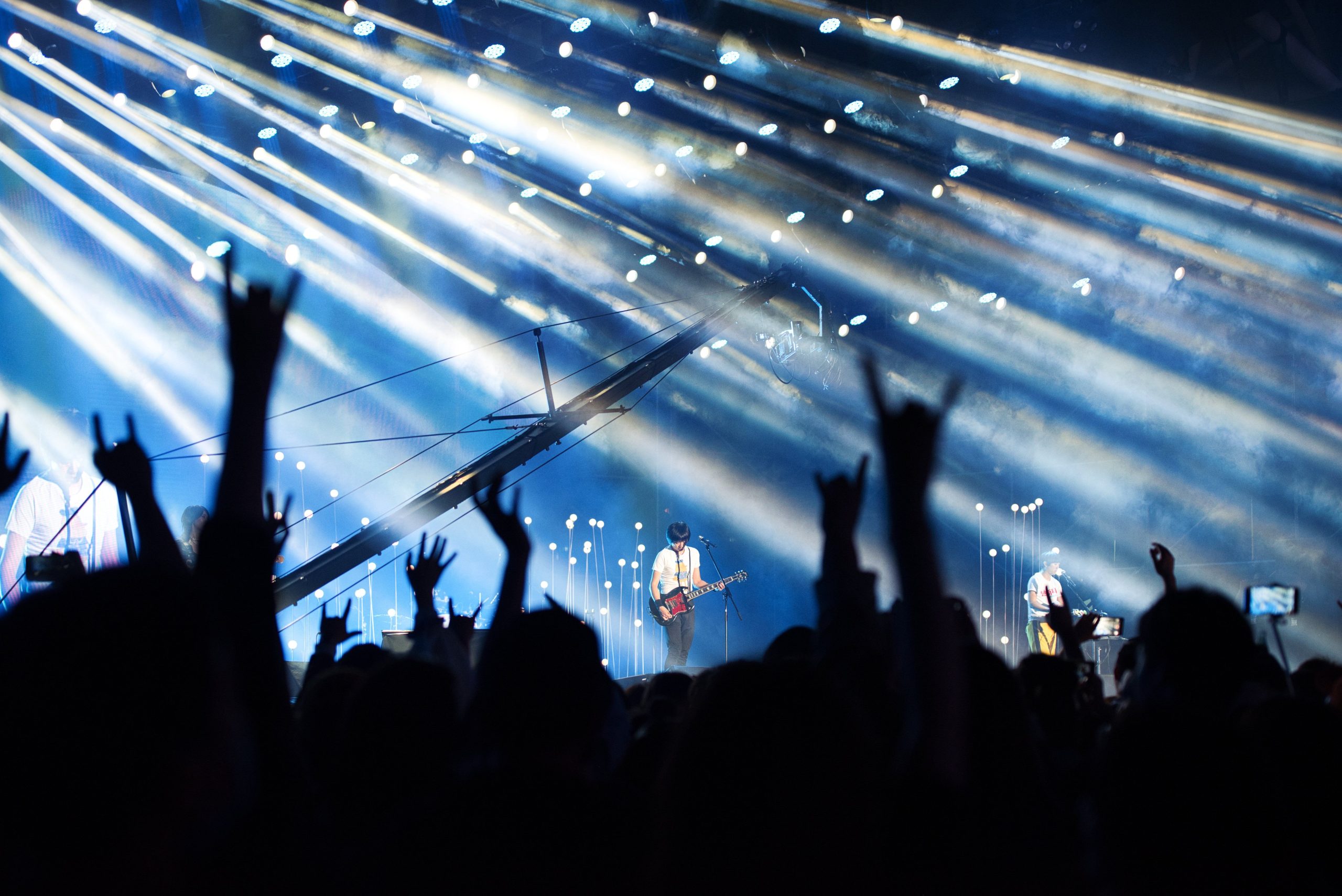
Tonight, August 29, 2026, Billy Idol performs the second of five nights at the BleauLive Theater inside Fontainebleau Las Vegas. His Hot In The City engagement runs through September 5, bridging the Labor Day Weekend in a venue that opened in 2023 as one of the Strip’s most ambitious new entertainment investments.
Idol is 70 years old. He was nominated for the Rock and Roll Hall of Fame’s Class of 2026. His documentary, Billy Idol Should Be Dead, premiered on Hulu in March. His ninth studio album, Dream Into It, his first full-length in over a decade, released last April. And his longtime collaborator Steve Stevens has been playing guitar alongside him for 45 years, a partnership that now has its own legacy independent of whatever either artist has done separately.
None of this is how 1977 Billy Idol, co-founding Generation X in London’s punk scene, would have framed his career trajectory. The paradox of a punk icon performing a residency called Hot In The City at a luxury Vegas tower built for $3.7 billion is either the most cynical possible outcome or the most honest one, depending on how you define what punk was always actually about.
The business case for the engagement, however, is straightforward once you separate the aesthetic question from the economic one.
BleauLive Theater as the Right Venue
BleauLive Theater at Fontainebleau Las Vegas opened with the resort in December 2023 and has been building its programming identity across its first three years. The venue’s capacity and configuration place it in the mid-size Las Vegas theater category, larger than the Encore Theater’s 1,700-to-2,000 seats and smaller than major arenas, sitting in the range of dedicated resort theater audiences.
The Fontainebleau’s arrival on the Strip brought a specific aesthetic identity, contemporary luxury with Miami Beach DNA rather than the Strip’s dominant gold-and-marble heritage opulence. BleauLive Theater carries this identity into its programming: modern production values, sightlines designed for a younger luxury demographic, and entertainment partnerships that fit the Fontainebleau’s overall brand positioning.
Billy Idol fits this positioning in ways that are not immediately obvious from his punk rock origins. The Hot In The City era of Idol’s career, the 1982 solo debut and the Rebel Yell album that followed in 1983, represents a specific synthesis: the energy and attitude of punk delivered through polished MTV-era production values, big sound, and the kind of arena-ready showmanship that suburban kids who had never set foot in a London punk club could access and connect with.
This synthesis was commercially brilliant in the early 1980s and remains commercially effective in 2026 because the audience that came of age with it has not abandoned those associations. The 55-to-65-year-old who bought Rebel Yell in 1983 now has the discretionary income to book a Fontainebleau hotel room for a three-night Labor Day weekend around a Billy Idol residency.
The Steve Stevens Factor
Forty-five years of collaboration between Idol and guitarist Steve Stevens creates something that most residency programming cannot offer: a musical partnership with its own documented artistic history that fans of the work have been following for decades.
Stevens earned a Grammy Award for Best Rock Instrumental Performance for Top Gun Anthem in 1987, demonstrating that his contributions to the partnership were recognized as artistically significant independent of Idol’s songwriting. His guitar work on Rebel Yell, White Wedding, and the broader Idol catalog is not simply competent session playing. It is compositionally distinctive in ways that listeners recognize and that cannot be replicated by assembling a different guitarist.
For the Fontainebleau audience, the presence of Stevens alongside Idol is a specific and meaningful detail. They are not attending a Billy Idol tribute show or a greatest hits performance with hired musicians. They are seeing the actual creative partnership responsible for the recordings they remember, performing live. The authenticity of that relationship creates an audience experience that tribute acts and catalog-performance tours cannot match.
The 45-year duration of the partnership also communicates longevity and reliability that individual artistic reputation alone cannot establish. Two people who have been making music together for 45 years are not experiencing a reunion. They are operating in the comfortable productivity of a relationship that has outlasted trends, commercial cycles, and the various disruptions that derail most creative partnerships within a decade.
The Rock Hall Nomination and Cultural Timing
The 2026 Rock and Roll Hall of Fame nomination arrives as a commercial and cultural inflection point for Idol’s Las Vegas engagement. Hall of Fame nominations generate media coverage that functions as organic marketing for residency shows: music publications run retrospective pieces, streaming services see catalog surges, and fans who have not seen the artist recently are reminded of their connection to the work.
The nomination for Class of 2026 places Idol’s cultural status in active discussion at precisely the moment his Fontainebleau residency is running. A music fan who sees coverage of the Hall of Fame nomination in March, notices the Las Vegas residency announcement in the same media cycle, and has discretionary travel budget is a natural conversion to ticket purchase. The cultural timing is not accidental. Residency programming that aligns with broader career moments generates better ticket velocity than programming that stands alone without cultural context.
The documentary, Billy Idol Should Be Dead, contributes to this context. A Hulu-distributed career documentary introduces the artist to younger audiences who may have encountered individual songs through streaming but have no context for the career that produced them. A 25-year-old who streams Rebel Yell regularly and then watches a documentary about the person who made it has a different relationship to a Las Vegas residency announcement than a pure catalog listener.
Dream Into It and the New Album Dynamic
The ninth studio album, his first full-length in over a decade, changes the residency proposition in a specific way. Most legacy residencies present artists performing past work in a nostalgic framework. A residency coinciding with new material gives the engagement a genuine artistic justification that pure nostalgia cannot provide.
Idol and the band are not simply reproducing recordings. They are performing an active catalog that now includes material created in 2025, providing a reason to see the show that extends beyond the familiar hits. Audiences who attend the Fontainebleau shows will hear songs they already love alongside songs they may not yet know, from an artist who is demonstrably still creating rather than simply maintaining.
This dynamic affects how the show markets itself and how audiences position the experience. A pure nostalgia residency asks audiences to pay for the pleasure of hearing familiar music performed live by its original performers. A residency with new material asks audiences to engage with an artist who is still in motion, and that active engagement produces a different quality of attendance.
The Labor Day Weekend Timing
The Hot In The City engagement spans Labor Day Weekend by design: August 28-29, then September 2, 4, and 5. This scheduling captures both the Labor Day holiday premium, when Vegas sees elevated discretionary spending, and the back-to-work September weekends when programming demand typically remains strong for established artists.
Labor Day Weekend in Las Vegas operates as a premium demand event comparable to major holiday weekends throughout the year. Visitors making dedicated trips have pre-committed to entertainment spending in ways that casual weekend visitors have not, and they are choosing between a finite number of options for a specific weekend. An established artist with a proven Las Vegas record, performing at one of the Strip’s newest and most celebrated resort properties, competing against a calendar of nightclub programming and other residency shows, occupies a clear and defensible niche in that competitive landscape.
The Wednesday September 2 date bridges the two holiday weekends and captures guests who either extended their Labor Day visit or who made shorter mid-week trips specifically for the show. A Wednesday headliner booking with the Idol/Stevens partnership’s commercial draw is a mid-week revenue event that most programming cannot achieve. The Tuesday-Thursday valley that weakens most residency economics is addressed by an artist whose fan base is willing to travel specifically for the show regardless of day of week.
Fontainebleau’s Entertainment Identity
The Fontainebleau’s programming across BleauLive Theater and LIV Nightclub represents a deliberate effort to build an entertainment identity distinct from the casino hotel properties that dominate the Strip. The LIV brand carries nightclub credibility from Miami and now Las Vegas. The BleauLive Theater programming, as it develops, is establishing what kind of artists fit the Fontainebleau brand.
A Billy Idol residency at BleauLive Theater signals that the venue is programming for a specific affluent demographic that grew up with classic rock and MTV-era music and that has the spending power to book Fontainebleau hotel rooms alongside concert tickets. This demographic is distinct from the EDM-primary audience that LIV Nightclub serves at night. The same property serves both segments across different venues and time slots, capturing spending from a broader demographic range than a purely nightlife-focused property could access.
Each successful residency at BleauLive Theater builds the venue’s credibility and the Fontainebleau’s entertainment reputation in ways that nightclub programming alone cannot establish. Billy Idol at BleauLive in 2026 is a reference point that future programming announcements will be measured against, for better or worse.
Key Insights
Forty-five-year Idol-Stevens creative partnership provides authentic artistic relationship that tribute formats cannot replicate, creating audience experience value rooted in documented creative history rather than manufactured nostalgia. Rock Hall of Fame nomination generates organic marketing and media coverage at precisely the residency announcement moment, converting cultural status discussion into ticket purchase momentum for fans with Las Vegas travel capacity. New studio album release concurrent with residency provides active artistic justification beyond pure nostalgia, allowing marketing to position the engagement around current creative output rather than exclusively catalog performance.
Labor Day Weekend scheduling captures holiday premium demand and pre-committed spending by visitors who have made specific trip decisions, competing in a defined entertainment selection market against fewer alternatives than standard summer weekends. BleauLive Theater programming with Billy Idol signals Fontainebleau’s intention to capture the affluent classic rock and MTV-era audience demographic that LIV Nightclub’s primary programming does not serve, expanding the property’s demographic reach across different venues and time slots.
Notes on the Punk Paradox
The observation that Billy Idol performing at a $3.7 billion luxury Las Vegas tower represents some form of contradiction with his punk origins is worth addressing directly, because it misunderstands what punk was commercially about.
The most successful punk and new wave artists of the late 1970s and early 1980s achieved commercial success through exactly the tension between outsider attitude and mainstream audience reach that characterized Idol’s solo career. Generation X signed to a major label in 1977. Rebel Yell went double platinum. Top Gun Anthem won a Grammy. The commercial machine and the punk attitude were never as incompatible as the mythology suggested.
Billy Idol performing at the Fontainebleau in 2026 is not a betrayal of anything. It is the logical endpoint of a career that always understood the commercial context of popular music and that has sustained itself across five decades by continuing to deliver the specific combination of attitude and accessibility that built its audience in the first place. The audience filling the BleauLive Theater tonight knows exactly what they came for. So does he.
That clarity of purpose, audience and artist aligned on what the experience is and why it works, is what makes a residency succeed beyond the first night.