


When Halloween Became Every Day
Universal Horror Unleashed opened at Area 15 in August 2025, and by 2026 it had accomplished something remarkable: it made horror entertainment work 365 days a year in Las Vegas. The 110,000-square-foot attraction features four haunted houses, live entertainment, themed dining, and retail. It operates Wednesday through Sunday, year-round. No other city has successfully sustained permanent horror entertainment at this scale.
The concept sounds obvious in retrospect. Las Vegas attracts tourists constantly. Horror has dedicated fanbase willing to travel for experiences. Universal has decades of expertise creating Halloween Horror Nights at its theme parks. Combining these elements into year-round Vegas attraction makes sense. But until Universal actually did it, nobody knew whether the model would work.
The early returns suggest it does. Tickets start at $49 for general admission with one-time access to each haunted house. Unlimited entry tickets cost $79. Even “Fraidy Cat” tickets for those who want the atmosphere without entering houses sell for $19. The pricing structure accommodates different visitor comfort levels while maximizing revenue across diverse audiences.
The Universal Expertise
Universal Destinations & Experiences didn’t stumble into horror entertainment. The company has produced Halloween Horror Nights at Universal Studios Hollywood and Universal Orlando Resort for decades. They’ve mastered the art of translating cinematic horror into walk-through experiences. They understand pacing, scares, production design, and actor performance in ways that Halloween stores and local haunted houses never will.
This institutional knowledge matters enormously. Creating effective horror requires specific skills. Jump scares need precise timing. Set design must balance visibility with atmosphere. Actors must sustain intensity across hundreds of performances. Sound and lighting work together to manipulate emotion. Universal has refined these techniques through years of trial and error.
The Vegas attraction benefits from this expertise without the constraints that limit Halloween Horror Nights. Theme park events run only during fall. They must appeal to general audiences who might stumble in accidentally. They share space with other attractions. Universal Horror Unleashed operates independently, year-round, targeting specifically horror fans who chose to visit.
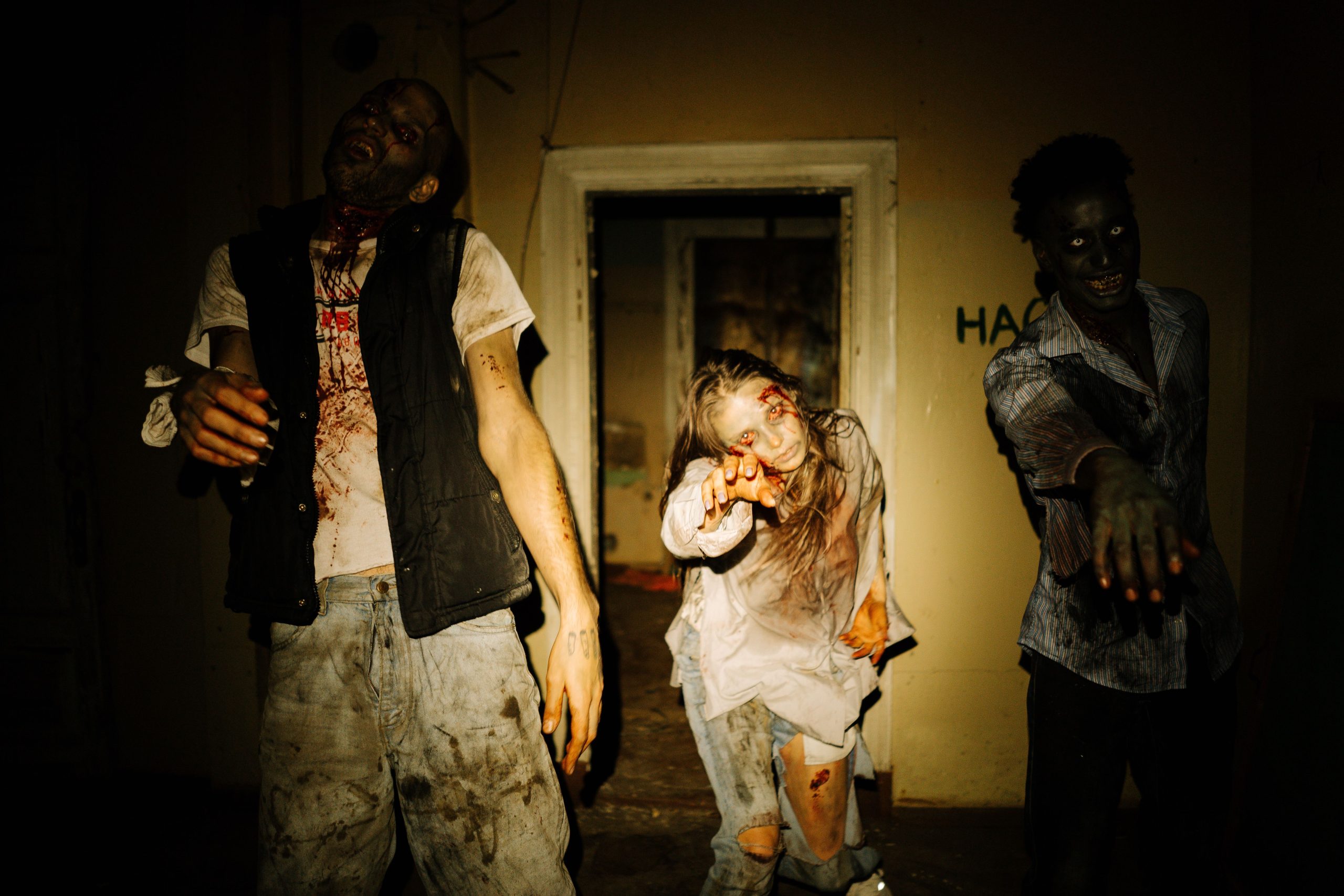
This focused mission allows more intense experiences. The four haunted houses deliver scares that might be too aggressive for theme park environments. Universal Monsters, The Texas Chainsaw Massacre, Scarecrow: The Reaping, and Blumhouse’s The Exorcist: Believer each push boundaries in ways that seasonal events can’t sustain.
The House Lineup
Each haunted house serves different purpose while maintaining overall quality standard. Universal Monsters draws on the studio’s classic horror legacy. Guests follow monster hunter Van Helsing through encounters with Dracula, Frankenstein’s Monster, the Mummy, and other iconic creatures. The house balances nostalgia with genuine scares, appealing to both horror historians and casual visitors.
The Texas Chainsaw Massacre delivers visceral intensity. Based on the 1974 film that defined brutal horror, the house recreates the movie’s grimy, dangerous atmosphere. Leatherface appears throughout, backed by detailed sets that feel authentically disturbing rather than Hollywood polished. This house isn’t for everyone, which is exactly the point.
Scarecrow: The Reaping offers original horror rather than licensed property. The story follows guests through farmland where a supernatural scarecrow hunts victims. Without existing IP constraints, Universal’s creative team designed scares specifically for walk-through format. The result feels fresh compared to houses adapting existing films.
Blumhouse’s The Exorcist: Believer ties into the horror production company’s 2023 film. The house explores demonic possession themes with practical effects and psychological manipulation. Religious horror works differently than slasher violence or monster attacks. This variety across houses ensures different fear responses rather than repetitive jolts.
The Entertainment Ecosystem
Haunted houses anchor the experience, but Universal Horror Unleashed offers more. Live shows provide breaks between houses while maintaining horror atmosphere. Jack & Chance: Stay or Slay features Jack the Clown, a character from Halloween Horror Nights in Orlando, in an interactive game show format. The performance is energetic and engaging, giving fans familiar with Universal’s horror universe Easter eggs while remaining accessible to newcomers.
Character meet-and-greets allow photo opportunities with various horror figures. These interactions serve two purposes. They provide content for social media sharing, which markets the attraction organically. They also create breathers between intense scares, preventing emotional fatigue that would shorten visits.
The themed dining adds revenue while enhancing immersion. Restaurants offer everything from quick bites to full meals. Cocktails and specialty drinks carry horror themes. This food and beverage component matters financially because it increases per-visitor spending beyond admission tickets. It also gives groups reason to linger rather than rushing through houses and leaving.
Retail rounds out the ecosystem. Merchandise includes Universal horror brands, attraction-specific items, and general horror memorabilia. Visitors who enjoyed their experience buy souvenirs. These purchases generate margin-rich revenue while providing ongoing brand advertising when people wear or display items after leaving.
The Year-Round Challenge
Making horror work every day requires solving problems that seasonal haunts avoid. Actors must sustain performance quality across long employment rather than brief Halloween season. Burnout becomes real concern. Universal addresses this through rotation schedules, performance standards, and presumably competitive wages that attract serious talent rather than temporary workers.
Set maintenance is constant rather than seasonal. Haunted houses deteriorate from thousands of visitors touching surfaces, humidity, and normal wear. Seasonal attractions can defer some maintenance until next year. Year-round operations demand ongoing repair and replacement to maintain quality. This operational burden adds cost that ticket prices must cover.
Content refresh becomes necessary more quickly. Visitors to Halloween Horror Nights know houses change annually. Universal Horror Unleashed visitors might return multiple times in single year. If houses never change, repeat business suffers. Universal will likely rotate houses periodically, though the timeline remains unclear. This content development cost is real expense that seasonal events spread across longer gaps.
The challenge also includes managing seasonal demand fluctuations. October naturally draws horror fans. Summer tourists want entertainment options. But February? March? Sustaining attendance during slower months requires marketing creativity and possibly dynamic pricing. Universal must convince visitors that horror in April is as appealing as horror in October.
The Location Strategy
Placing Universal Horror Unleashed at Area 15 rather than the Strip was deliberate choice with tradeoffs. Area 15’s existing infrastructure and experiential entertainment focus aligned with Universal’s vision. The location already attracted tourists seeking unconventional Vegas experiences. This audience overlap reduces marketing friction.
The 110,000-square-foot footprint would be prohibitively expensive on the Strip. Real estate costs there demand different economics. Area 15’s rates allowed Universal to build at scale that wouldn’t pencil at Strip prices. The size matters because smaller footprint would compromise house quality and visitor flow.
The location’s slight distance from Strip also creates destination mentality. Visitors must intentionally travel to Area 15 rather than stumbling in randomly. This self-selection improves audience quality. People who make the trip want to be there. They’re more likely to spend money and leave positive reviews than reluctant participants dragged along by others.
However, the location creates discovery challenge. Strip properties benefit from foot traffic. Millions of visitors walk past Strip attractions daily. Area 15 requires active marketing to ensure tourists know it exists. Universal and Area 15 must invest in awareness campaigns that Strip locations get for free.
The Competitive Positioning
Universal Horror Unleashed doesn’t compete directly with most Vegas entertainment. It’s not alternative to Cirque du Soleil or celebrity chef dinners. It serves different audience seeking different experience. This distinction is strength because it expands Vegas’s entertainment portfolio rather than just fragmenting existing markets.
The attraction does compete with other Area 15 offerings for visitor time and money. Someone choosing how to spend an evening at Area 15 might weigh horror houses against Meow Wolf’s Omega Mart or other attractions. Universal’s brand recognition and production quality likely win this competition more often than not, but cannibalization risk exists.
Against Halloween-specific haunts and seasonal horror, Universal Horror Unleashed offers massive advantages. Year-round operation means October isn’t do-or-die. Production values exceed what independent haunts can achieve. The Universal brand attracts visitors who’ve never considered local haunted attractions.
The attraction also competes for horror fans’ entertainment budgets nationally. Someone planning horror trips might choose between Universal Horror Unleashed, Halloween Horror Nights, or regional haunts. Universal benefits from offering both, creating cross-promotion opportunities. Visit Halloween Horror Nights and learn about Vegas attraction. Experience Vegas and decide to visit Orlando or Hollywood later.
The Economic Model
Universal Horror Unleashed’s business model combines admission tickets, food and beverage sales, merchandise, and likely licensing or sponsorship deals. Each revenue stream matters because horror entertainment carries significant fixed costs. The houses required substantial upfront investment. Ongoing labor costs are considerable. This cost structure demands volume to achieve profitability.
The attraction’s success depends partly on Las Vegas’s tourism infrastructure. Hotels, flights, and convention business bring millions of potential customers to the market. Universal doesn’t need to convince people to visit Vegas. It just needs to convince them to visit while they’re already there. This is easier sell than creating demand from scratch.
Package deals with hotels and resorts help drive attendance. A visitor booking Vegas stay might add Universal Horror Unleashed tickets to their reservation for bundled price. These partnerships benefit everyone. Hotels offer unique entertainment option. Universal fills houses. Visitors get convenience and possibly discount.
The economics also benefit from relatively low variable costs per visitor. Once houses are built and staffed for a session, additional visitors add revenue without proportional expense increase. A house with 20 guests versus 50 guests requires similar labor. This scalability matters during high-demand periods when houses can accommodate maximum capacity.
The Future Expansion
Universal announced plans for similar attractions in other markets, with Chicago specifically mentioned. This expansion validates the Vegas model while creating growth opportunities. If Las Vegas proves that year-round horror works, other cities become viable. Urban markets with tourism, nightlife, and entertainment infrastructure could support comparable operations.
Expansion also allows content sharing that reduces development costs. Houses created for Vegas might rotate to Chicago and vice versa. This amortizes creative investment across multiple locations. It also provides content refresh that year-round operations demand without creating entirely new houses from scratch.
The success of Universal Horror Unleashed could inspire competitors. Other horror brands or entertainment companies might attempt similar permanent attractions. This would validate the market but also fragment it. Universal’s first-mover advantage and brand strength provide protection, but competition is inevitable if the model proves profitable.
International expansion is likely longer-term consideration. Horror appeals globally, but cultural differences affect what works. Jump scares are universal. Religious themes or specific violence might land differently in various markets. Universal would need to adapt content while maintaining quality standards that define the brand.
Notes for Stakeholders
Universal Horror Unleashed’s first year offers insights for anyone working in attractions, entertainment, or experiential retail:
Year-round operation changes economics compared to seasonal events. Fixed costs spread across twelve months require sustained attendance rather than concentrated demand. Marketing, staffing, and maintenance all operate on different timelines.
Brand expertise matters more than brand recognition alone. Universal’s success comes from production quality developed through decades of experience, not just familiar characters. Competitors with horror IP but without operational knowledge would struggle to replicate this.
Location strategy balances real estate costs against accessibility. Area 15’s lower costs enabled appropriate scale, but distance from Strip requires aggressive marketing. The tradeoff must align with business model and target audience.
Multiple revenue streams reduce dependence on admission tickets. Food, beverage, and merchandise sales provide margin-rich income that improves overall profitability. These ancillary revenues also extend visitor stays, increasing satisfaction.
Content refresh requirements for year-round attractions exceed seasonal events. Visitors expect change over time. Development pipelines must account for regular updates that seasonal operations can defer.
The Horror Lifestyle
Universal Horror Unleashed represents more than just attraction. It validates “horror as lifestyle” rather than seasonal hobby. Fans who identify as horror enthusiasts now have year-round destination that caters specifically to their interests. This community-building aspect might prove as valuable as ticket sales.
The attraction also demonstrates that Las Vegas can support niche entertainment that doesn’t appeal to mass audiences. Not everyone wants horror experiences. But enough people do to sustain 110,000-square-foot facility operating four days weekly year-round. This proves Vegas’s scale can accommodate specialized offerings alongside broad-appeal attractions.
For Universal, the Vegas success provides proof of concept for horror entertainment beyond theme parks. The company built reputation around Halloween Horror Nights but constrained itself to seasonal operations. Universal Horror Unleashed shows that permanent horror attractions are viable business model, not just October supplement to theme park operations.
The next few years will determine whether this first location represents experiment or template. If attendance sustains, expect expansion. If it falters, Universal will adjust. But the opening year’s performance suggests that year-round horror in Las Vegas is working exactly as Universal hoped.
Key Takeaways:
- Universal Horror Unleashed opened at Area 15 in August 2025, creating the first year-round large-scale horror attraction in Las Vegas
- The 110,000-square-foot venue features four haunted houses based on Universal Monsters, Texas Chainsaw Massacre, Scarecrow, and The Exorcist
- Tickets range from $19 “Fraidy Cat” admission to $79 unlimited access passes, accommodating different visitor comfort levels
- Year-round operation (Wednesday-Sunday) requires solving staffing, maintenance, and content refresh challenges that seasonal haunts avoid
- Location at Area 15 provides lower real estate costs than Strip but demands active marketing to overcome distance from main tourist corridor
- Live entertainment, themed dining, character meet-and-greets, and retail create ecosystem that extends visits beyond haunted houses
- Universal’s decades of Halloween Horror Nights expertise enables production quality that independent haunts cannot match
- The attraction validates “horror as lifestyle” market rather than just seasonal October phenomenon
- Success has prompted Universal to announce expansion to Chicago, with potential for additional markets
- Multiple revenue streams beyond admission (food, beverage, merchandise) improve profitability and per-visitor spending