


The phone rang at Clark County Fire Chief John Steinbeck’s office at 6:47 a.m. on January 8, 2026. Los Angeles was on fire, and they needed help. Within hours, a convoy of fire engines from Southern Nevada was rolling west on Interstate 15, heading toward some of the most destructive wildfires in California history.
“Our hearts go out to the people of California who’ve been impacted by these fires,” Steinbeck told reporters before the deployment. His words captured the sentiment across Southern Nevada. This wasn’t just professional obligation. It was personal.
Las Vegas and Los Angeles share more than geographic proximity. Thousands of Las Vegas residents have family in California. Many moved here from there. The two cities are economically intertwined, with Los Angeles providing a steady stream of tourists who keep Vegas casinos and restaurants running. When disaster strikes one city, the other feels it.
The First Wave
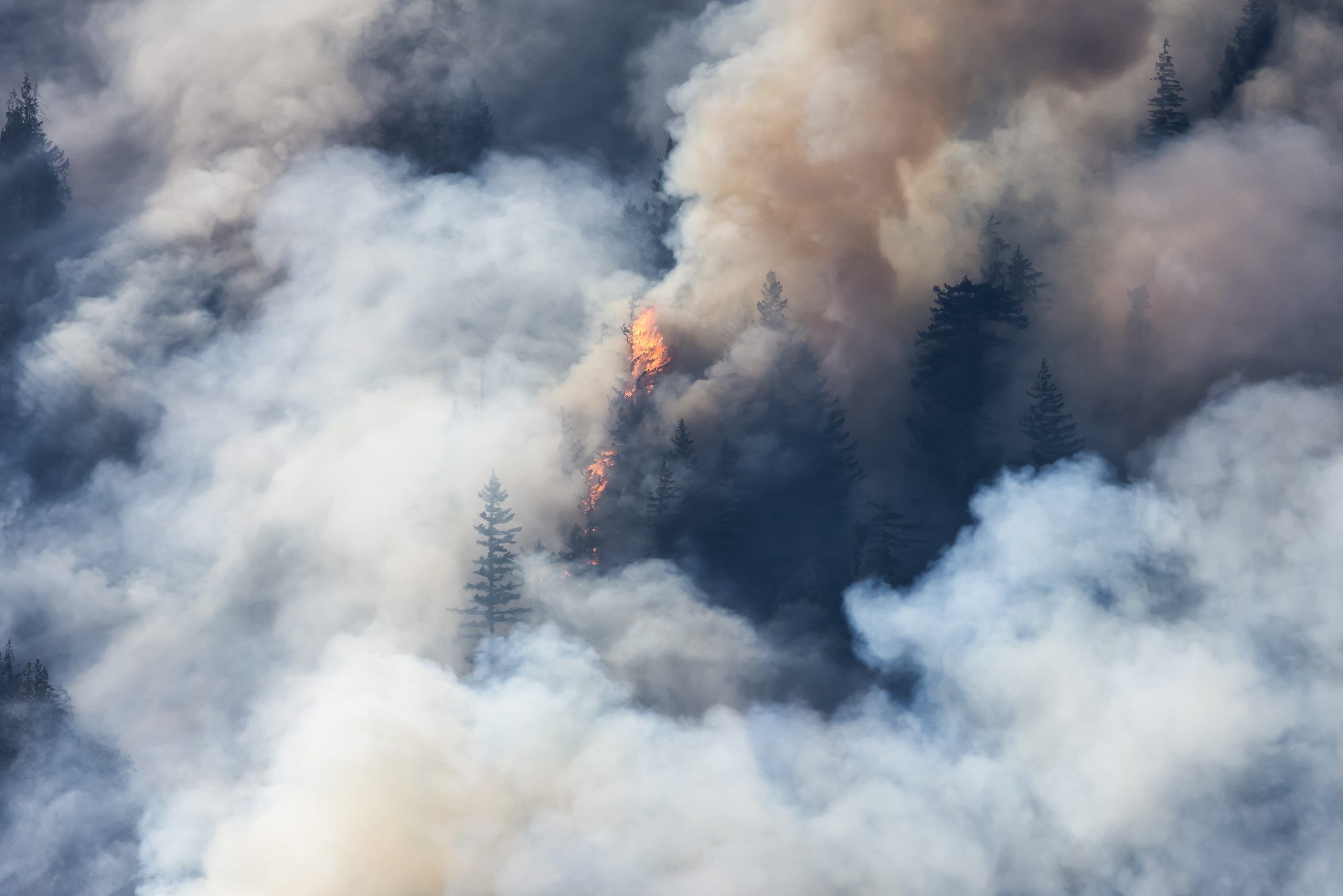
Twenty-four firefighters deployed on January 8, representing Clark County Fire Department, Las Vegas Fire & Rescue, and Henderson Fire Department. The strike team included three engines, a battalion chief, and support personnel. They checked in at Riverside before being deployed to Pacific Palisades, where wind-whipped flames had consumed at least 5,000 acres.
The Palisades Fire represented just one of four major blazes tearing through Los Angeles County. The Eaton Fire near Pasadena, the Hurst Fire, and others combined to create a disaster of historic proportions. More than 1,000 structures were destroyed in the first 48 hours. Five people died. Thousands evacuated with only what they could carry.
Deputy Chief Queen Anunay of Las Vegas Fire Department said firefighters volunteered in overwhelming numbers. “We had more people that wanted to go, but we had to maintain resources,” she explained. The department couldn’t send everyone. Las Vegas still needed fire protection.
A second strike team departed on January 9, bringing the total Southern Nevada deployment to nearly 50 firefighters and support personnel. This team included engines and personnel from Clark County, Las Vegas, and Pahrump Valley Fire & Rescue. They were expected to stay 10 to 14 days, rotating in to relieve exhausted California crews who had been battling flames since Tuesday.
“They’ll do whatever is needed within their scope,” Chief Steinbeck said. “If it’s structural protection, they’ll do structural protection. If we need to run EMS, we’ll run EMS.”
The Community Response
While firefighters headed west, Las Vegas businesses and residents mobilized to help displaced Californians. The response was immediate and diverse, reflecting the tight connections between the two regions.
Gritz Café on Historic West Charleston donated proceeds to wildfire victims and firefighters. It was a small gesture, but thousands of small gestures add up. Businesses across the valley followed similar models, donating percentages of sales or creating special fundraising events.
The Plaza Hotel & Casino in downtown Las Vegas offered free horse stalls for Los Angeles wildfire victims who needed to temporarily rehome their animals. That’s a specific, unusual need that most people wouldn’t think of. But Southern California horse owners facing evacuation had nowhere to go. The Plaza stepped up.
Casino giants MGM Resorts and Wynn Resorts each pledged $1 million to relief efforts, splitting donations between the American Red Cross and Los Angeles Fire Department Foundation. Both companies also matched employee donations dollar for dollar through their giving portals.
MGM went further, offering a 35% room discount for wildfire-affected individuals and flexibility for cancellations due to travel disruptions. Fontainebleau, South Point, Treasure Island, and Virgin Hotels all created discounted rates or special packages for displaced Californians seeking temporary housing.
Las Vegas realtors reported receiving calls from families considering permanent relocation. Kelsey Pyun, a realtor with Huntington and Ellis, said inquiries started within 24 hours of the fires beginning. “I am expecting more calls. We have already seen such a big influx, but unfortunately, with disasters like this, we see a lot more.”
The Housing Market Impact
The potential influx of California residents creates mixed emotions in Las Vegas. On one hand, people genuinely want to help families who lost everything. On the other hand, the housing market here is already tight, and increased demand from wealthy Californians could price out local buyers.
Shawn McCoy and his team at UNLV recently completed research using 2022 data showing approximately 52,000 Californians moved to Nevada that year. More than 12,000 came from Los Angeles County specifically. With the fires, that number could increase dramatically.
The income disparity matters. “The average income of a California migrant exceeds that of a local home buyer by 93 percent,” McCoy explained. That gives California buyers a significant advantage in competitive bidding situations. They can offer more, close faster, and often pay cash.
For Las Vegas residents trying to buy their first home or upgrade to something larger, the competition just got harder. Real estate experts are advising local buyers not to wait. If you’re planning to purchase in the next few months, act now before prices increase further.
This creates an uncomfortable dynamic. Las Vegas wants to help California fire victims. But that help has consequences for local residents who were already struggling with housing affordability.
The Weather Connection
The conditions that fueled California’s fires exist in Las Vegas too. Los Angeles had received only 0.03 inches of rain since May 6, 2024, creating extremely dry conditions. Las Vegas is experiencing its second-longest dry streak on record, with no measurable rain since July 13, 2024.
Both cities saw record heat last summer. Las Vegas experienced its warmest year on record. California recorded its hottest summer on record according to NOAA data. The combination of heat, drought, and wind creates tinderbox conditions.
Fire experts warn that what happened in Los Angeles could happen in Las Vegas. The same weather patterns, the same fuel loads, the same risk factors all exist. Urban-wildland interface areas around the valley are particularly vulnerable. If Santa Ana winds hit California, similar wind events can affect Southern Nevada.
Chief Steinbeck stressed the importance of personal evacuation plans. “Local resources could become overwhelmed,” he warned. Clark County has a detailed Emergency Operations Plan available online, covering mass care, evacuation centers, and federal aid requests. But plans only work if people follow them.
The message is clear: Las Vegas isn’t immune to wildfire disaster. Residents need to take the threat seriously.
The Political Dimension
Nevada Governor Joe Lombardo announced Nevada would deploy assets to California through mutual aid and state-to-state agreements. “Nevada firefighting assets will deploy to Southern California today to assist our neighbors in combatting one of the worst fires in recent history,” he said. “I’m grateful for the bravery of our firefighters and for the swift response from our state and local partners.”
Lombardo also encouraged California families relocating to Nevada to utilize available state resources. The Nevada Division of Emergency Management and Homeland Security coordinated all deployments and information sharing with California and FEMA.
The cooperation highlights how Western states depend on each other during disasters. When wildfires devastated Northern Nevada in previous years, California sent resources. Now Nevada returns the favor. This isn’t charity. It’s mutual self-interest and regional solidarity.
The Smoke Question
One concern Las Vegas residents expressed immediately: would smoke from the California fires affect local air quality? The answer, fortunately, was no for the Palisades and Eaton fires. Wind patterns blew smoke west into the Pacific Ocean rather than east toward Nevada.
But that’s not always the case. In August 2025, the Gifford Fire near Santa Barbara sent smoke streaming into Las Vegas, dropping air quality to unhealthy levels and reducing visibility to one mile in some areas. Doctors warned about health risks, particularly for people with pre-existing respiratory conditions.
“The air quality in Las Vegas right now is in the unhealthy range. It’s stemming from a wildfire in California, actually,” Dr. Hayden Maag of MountainView Hospital explained during that incident.
The smoke forecast from the 8 News Now Weather Team showed this time was different. Northern winds would keep January’s wildfire smoke away from the valley. But residents shouldn’t assume they’re always safe. California fires will continue happening, and wind patterns will inevitably shift.
What This Reveals About Las Vegas
The response to California’s wildfires reveals something important about Las Vegas’s identity. This city is often portrayed as selfish, transient, and focused solely on tourism and entertainment. But when disaster struck a neighboring region, Las Vegas responded with money, personnel, housing, and genuine concern.
The firefighters who volunteered to go didn’t have to. The businesses that donated proceeds didn’t have to. The hotels that offered discounted rooms didn’t have to. They did it because it was the right thing to do.
That’s the Las Vegas many residents know but outsiders rarely see. It’s a community that takes care of its neighbors, even when those neighbors live 270 miles away.
The deployment also demonstrates Las Vegas’s growing role as a regional hub. This isn’t a small town anymore. The metro area has the resources, infrastructure, and expertise to provide meaningful assistance during major disasters. Clark County Fire Department operates like a major metropolitan department because that’s what it is.
The Long-Term Considerations
As Las Vegas firefighters work 12-hour shifts battling California flames, city officials are thinking about long-term implications. The relationship between these two regions will continue evolving. Migration patterns, economic ties, and shared challenges like drought and climate change bind Las Vegas and Los Angeles together.
The California families relocating here will need schools for their children, jobs, healthcare, and community connections. Las Vegas will need to accommodate that growth while maintaining quality of life for existing residents. That’s not simple.
The housing affordability issue won’t resolve itself. Local leaders need to address zoning, density, and construction policies to increase supply. Otherwise, the California influx will price out the working-class residents who make Las Vegas function.
The wildfire risk requires immediate attention. Las Vegas can’t wait until disaster strikes to develop response capabilities. Mitigation work, fuel reduction, and public education need to happen now.
The Human Element
Behind the statistics and policy discussions are real people. Firefighters sleeping in staging areas, eating MREs, and working until exhaustion. California residents who lost homes they spent decades building. Las Vegas families opening spare bedrooms to displaced strangers.
One Las Vegas firefighter, speaking anonymously, described the scene in Pacific Palisades: “You can’t prepare for what it looks like when an entire neighborhood is gone. These aren’t just houses. They’re people’s lives.”
That’s what this story is ultimately about. People helping people when everything goes wrong. Las Vegas answered when Los Angeles needed help. The gesture matters more than the resources deployed or the money donated.
It matters because it demonstrates that even in a city built on gaming and entertainment, fundamental human values of compassion and solidarity still exist. When your neighbor’s house burns down, you help. It doesn’t matter if that neighbor lives next door or 270 miles away.
Key Insights
The rapid deployment of nearly 50 Southern Nevada firefighters to California within 24 hours demonstrates regional mutual aid systems work effectively, though maintaining adequate local resources during deployments remains challenging.
California wildfire refugees considering relocation to Las Vegas will likely exacerbate existing housing affordability issues, as California buyers’ average income exceeds local buyers by 93%, creating competitive disadvantages for Las Vegas residents.
Las Vegas faces similar wildfire risk factors as Los Angeles, including record heat, extended drought, and dangerous wind events, requiring immediate attention to mitigation, evacuation planning, and public preparedness.
The community response, including $2 million in casino donations and numerous business initiatives, reflects Las Vegas’s evolution from entertainment destination to mature metropolitan area with strong regional ties and civic responsibility.
Sources
News3 Las Vegas Fire Deployment
KTNV Housing Market Impact
8 News Now Smoke Forecast
KTNV Weather Conditions Analysis
Nevada Emergency Management Resources