



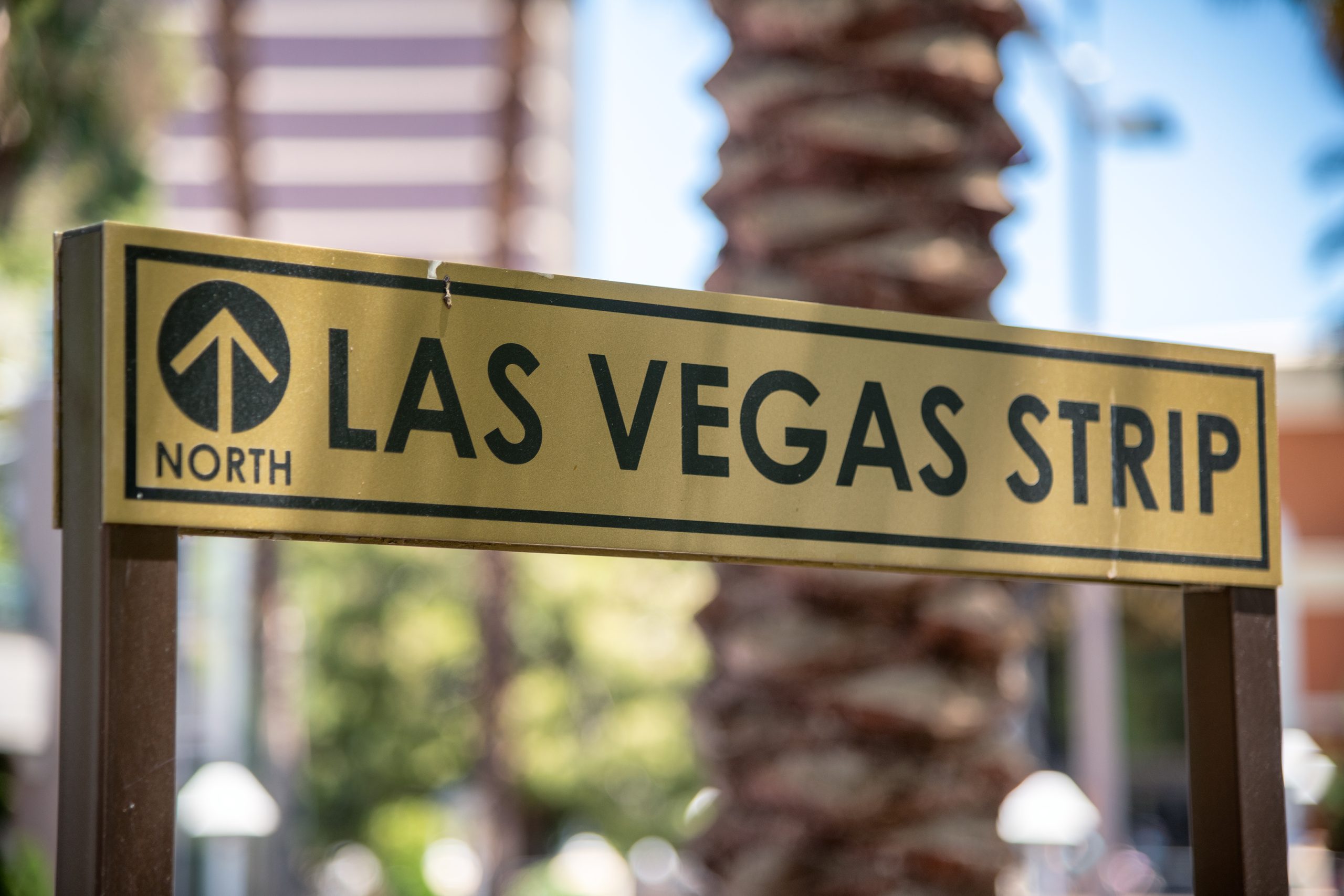
Amazon’s Zoox launched free robotaxi rides on the Las Vegas Strip in September 2025, making headlines as the first company to deploy purpose-built autonomous vehicles for public ride-hailing. The company positioned itself as the innovation leader, the first mover, the bold pioneer bringing science fiction to reality.
Then Waymo showed up.
Google’s self-driving car subsidiary, owned by Alphabet, announced plans for fully autonomous operations in Las Vegas. Unlike Zoox’s futuristic box-on-wheels design, Waymo retrofits Jaguar I-PACE SUVs with sensors and software. The approach looks conventional, almost boring compared to Zoox’s eye-catching vehicle. But don’t let appearances fool you. Waymo is bringing something Zoox doesn’t have: a proven track record.
The Experience Gap
Waymo has been operating commercial autonomous ride-hailing services since 2020. The company surpassed 10 million paid rides earlier this year across five cities: San Francisco, Los Angeles, Phoenix, Atlanta, and Austin. That’s not testing. That’s not demos. That’s actual business operations generating actual revenue from actual customers.
The company plans to expand into six additional markets in 2026: Dallas, Denver, Miami, Seattle, Washington, D.C., and Las Vegas. Each city gets thoroughly evaluated before launch. Waymo doesn’t rush. They map every road, analyze traffic patterns, test extensively, and only go public when they’re confident the system works.
That methodical approach creates boring press releases but builds consumer trust. People who ride Waymo vehicles in San Francisco generally have positive experiences. The cars drive cautiously, obey traffic laws religiously, and arrive on time. They’re not exciting, but they work.
Zoox, meanwhile, is still offering free rides while gathering data and waiting for regulatory approval to charge fares. The company has been testing in Las Vegas since 2019, but commercial operations remain months away. That time lag matters in a market where first mover advantage might not count for much.
Different Design Philosophies
The vehicle designs reflect fundamentally different philosophies about autonomous transportation.
Zoox built its robotaxi from scratch specifically for autonomous operation. No steering wheel, no driver’s seat, no pedals. The bi-directional design means it drives forward and backward equally well. Four passengers sit facing each other on bench seats. The symmetrical layout eliminates the need for three-point turns.
This approach makes sense if you believe autonomous vehicles require completely new designs. Why include driver controls if there’s no driver? Why orient the vehicle around a forward direction if it can travel in either direction? Why compromise with legacy automotive conventions?
Waymo took the opposite approach. Start with a proven vehicle platform, the Jaguar I-PACE, and add autonomous capabilities. The car looks normal because it is normal, just with extra sensors. Passengers sit in conventional seats facing forward. The layout feels familiar. People who’ve never experienced an autonomous vehicle can step into a Waymo and immediately understand how it works.
This matters more than you might think. Consumer psychology research consistently shows that familiarity breeds adoption. People resist radical change even when it offers advantages. Evolutionary improvements get accepted faster than revolutionary redesigns.
Zoox’s vehicle looks like the future. Waymo’s vehicle looks like a nicer version of what already exists. Which approach wins depends on what consumers actually want versus what they say they want.
The Regulatory Landscape
Both companies face regulatory hurdles in Las Vegas, but Waymo’s experience navigating complex approval processes gives them an advantage. They’ve already secured operating permits in five major cities across different states with different regulators. They understand how to work with officials, address concerns, and demonstrate safety.
Nevada has been friendly to autonomous vehicle companies since 2011, when it became the second state after California to create a legal framework for self-driving cars. The Department of Motor Vehicles here moves faster than most states. But friendly doesn’t mean rubber stamp. Regulators want to see safety records, liability insurance, data on system performance, and detailed operational plans.
Waymo can provide all of that based on actual operations in other cities. Zoox is still building its safety record. The difference in regulatory confidence could translate to faster approvals for Waymo.
There’s also the liability question. When an autonomous vehicle gets in an accident, who’s responsible? The company operating the vehicle? The manufacturer? The passenger? State laws vary, and insurance requirements remain unclear. Waymo has been dealing with these questions for years. They have established insurance policies, accident response protocols, and legal frameworks. Zoox is figuring this out in real-time.
The Business Model Challenge
Neither company has demonstrated that robotaxis can be profitable. The unit economics remain challenging. Each vehicle costs significantly more than a traditional car. The sensor suites run tens of thousands of dollars. Maintenance requires specialized technicians. Remote monitoring infrastructure isn’t cheap. Fleet management software, insurance, cleaning, charging… the costs add up quickly.
To make money, robotaxi companies need extremely high utilization rates. The vehicles need to be carrying passengers most of the time, not sitting in depots. They need to operate 24/7, handling rush hour commutes, late-night bar runs, airport trips, and everything in between.
Las Vegas should theoretically provide ideal conditions for high utilization. Tourists need transportation between hotels, attractions, and restaurants. They’re not going to walk three miles in 110-degree heat. The demand exists year-round, unlike seasonal tourist destinations.
But tourists are also price-sensitive and value convenience. If a Waymo or Zoox ride costs more than an Uber or Lyft, people won’t use it regularly. If wait times exceed five minutes, they’ll look for alternatives. The autonomous vehicles need to compete on price and convenience, not just novelty.
Zoox’s free rides during the launch phase prioritize data collection over revenue. That makes sense in the short term but can’t continue indefinitely. Amazon has deep pockets, but even Amazon has limits. At some point, executives will want to see a path to profitability.
Waymo faces the same pressure. Alphabet didn’t invest billions in autonomous vehicle technology to run a charity. They expect returns. The Las Vegas deployment needs to demonstrate that the business model works at scale, not just in limited test markets.
The Competition Beyond Each Other
Waymo and Zoox aren’t the only players interested in Las Vegas. Tesla is testing a limited robotaxi service in Austin, Texas, though with human supervisors on board. If Tesla solves the autonomy problem, their manufacturing scale could let them produce vehicles at volumes Waymo and Zoox can’t match.
Traditional ride-hailing companies like Uber and Lyft are watching closely too. They’ve been testing autonomous vehicles for years and maintaining partnerships with self-driving technology companies. If robotaxis prove viable, Uber and Lyft will adopt them quickly to reduce their largest expense: driver compensation.
Local taxi companies and transportation providers face an existential threat. If autonomous vehicles provide cheaper, more convenient service, traditional taxis can’t compete on cost or convenience. Their only advantages are brand loyalty and regulatory protection, neither of which provides long-term security.
The public transportation system in Las Vegas, such as it is, could also be affected. If robotaxis become affordable enough, people might choose them over buses. That creates pressure on local government to maintain transit services that fewer people use.
The Tourist Experience
For Las Vegas, autonomous vehicles represent a tourism enhancement. Visitors love trying new technology, and a ride in a Waymo or Zoox makes for great social media content. People will take robotaxi rides just for the novelty, at least initially.
But sustained success requires moving beyond novelty. Tourists need to view autonomous vehicles as genuinely better transportation options, not just gimmicks. That means competitive pricing, short wait times, good coverage of popular destinations, and positive experiences that encourage repeat usage.
Zoox currently serves five locations: Resorts World, AREA15, Topgolf, Luxor Hotel, and New York-New York Hotel. That’s a decent start but far from comprehensive Strip coverage. You can’t take a Zoox to the airport or downtown or most hotels. The limited service area restricts utility.
Waymo will likely launch with broader coverage based on their experience in other cities. They understand that network effects matter. The more pickup and dropoff locations available, the more useful the service becomes. The more useful it is, the more people use it. The more people use it, the better the unit economics work.
The Technology Showcase
Both companies benefit from Las Vegas’s reputation as a testing ground for emerging technology. CES, the world’s largest tech conference, happens here annually. Major companies maintain operations in the city. The local economy embraces innovation in ways that more conservative markets don’t.
When Zoox or Waymo demonstrates successful autonomous vehicle operations in Las Vegas, it generates publicity that helps with launches in other cities. The Strip provides a high-visibility testing environment where millions of people see the vehicles operating normally. That builds consumer confidence nationwide.
The city itself benefits from positioning as a technology hub. Autonomous vehicle companies employ engineers, technicians, remote operators, and support staff. Those are good jobs with competitive salaries. The presence of cutting-edge technology attracts other tech companies and helps recruit talent.
Las Vegas wants to be known for more than casinos and entertainment. Becoming the robotaxi capital demonstrates the city can compete in high-tech industries.
What Actually Matters
Strip away the marketing hype and technology demos, and the question comes down to this: which company can provide reliable, affordable, convenient transportation at scale?
Waymo’s conventional vehicle design might look boring, but boring can be good. Boring means reliable. Boring means people understand how to use it. Boring means it works.
Zoox’s futuristic design generates buzz, but buzz doesn’t pay bills. If the vehicles don’t provide better service than conventional ride-hailing, tourists won’t care how innovative the design is.
The autonomous technology itself has been proven. Both companies can navigate urban streets, avoid obstacles, follow traffic laws, and complete trips safely. The hard part isn’t making it work technically. The hard part is making it work economically.
That’s where Las Vegas becomes crucial. This city offers ideal conditions for robotaxis to demonstrate profitability. High demand, year-round tourism, dense areas with frequent trips, and a regulatory environment that supports innovation. If the business model doesn’t work here, it probably doesn’t work anywhere.
The Timeline
Waymo hasn’t announced a specific Las Vegas launch date. Based on their approach in other cities, expect extensive testing followed by a limited employee rollout, then gradual public availability. The entire process typically takes 12-18 months from initial testing to full commercial operations.
Zoox is already offering public rides but hasn’t started charging fares. They need regulatory approval for paid service, which could come anytime between now and mid-2026.
That timing creates an interesting dynamic. If Zoox gets regulatory approval first, they can claim Las Vegas as their market. If Waymo launches commercial operations first, Zoox’s head start won’t matter much.
The real winner will be determined not by who launches first, but by who executes better over the next three years. That means more pickup locations, shorter wait times, competitive prices, positive user experiences, and operational efficiency that leads to sustainable profitability.
The Bigger Picture
The Las Vegas robotaxi competition is about more than just two companies fighting for market share. It’s about whether autonomous vehicles can become mainstream transportation. Whether the technology actually works in real-world conditions. Whether consumers will embrace it. Whether the business model makes sense.
Both Waymo and Zoox need Las Vegas to succeed. They need to demonstrate that robotaxis aren’t just interesting experiments but viable transportation alternatives. They need to build consumer confidence, regulatory trust, and operational track records that support expansion into new markets.
Las Vegas needs them to succeed too. The city has positioned itself as a technology innovator. The autonomous vehicle deployments validate that positioning. Success here attracts more tech companies, more investment, more high-paying jobs, and more economic diversification beyond gaming and tourism.
The competition is just beginning. The winner isn’t the company with the flashier technology or the better press releases. It’s the company that can turn autonomous vehicles from impressive demos into practical transportation that people actually use.
Key Insights
Waymo’s 10 million paid rides across five cities provide operational credibility and regulatory experience that Zoox lacks, potentially accelerating Las Vegas approvals despite Zoox’s earlier local presence.
The design philosophy difference between Zoox’s purpose-built vehicle and Waymo’s retrofitted approach reflects competing theories about consumer adoption, with familiarity potentially outweighing innovation.
Neither company has demonstrated sustainable profitability, making Las Vegas a critical test case for whether robotaxi business models can work at scale in ideal conditions of high tourism demand.
The competition extends beyond Waymo versus Zoox to include Tesla, traditional ride-hailing companies, and the broader question of whether autonomous vehicles can become mainstream transportation rather than novelty experiences.
Sources
FOX5 Vegas Waymo Coverage
Zoox Las Vegas Launch
CNBC Zoox Analysis
Autonomous Vehicle Rollout Tracker