

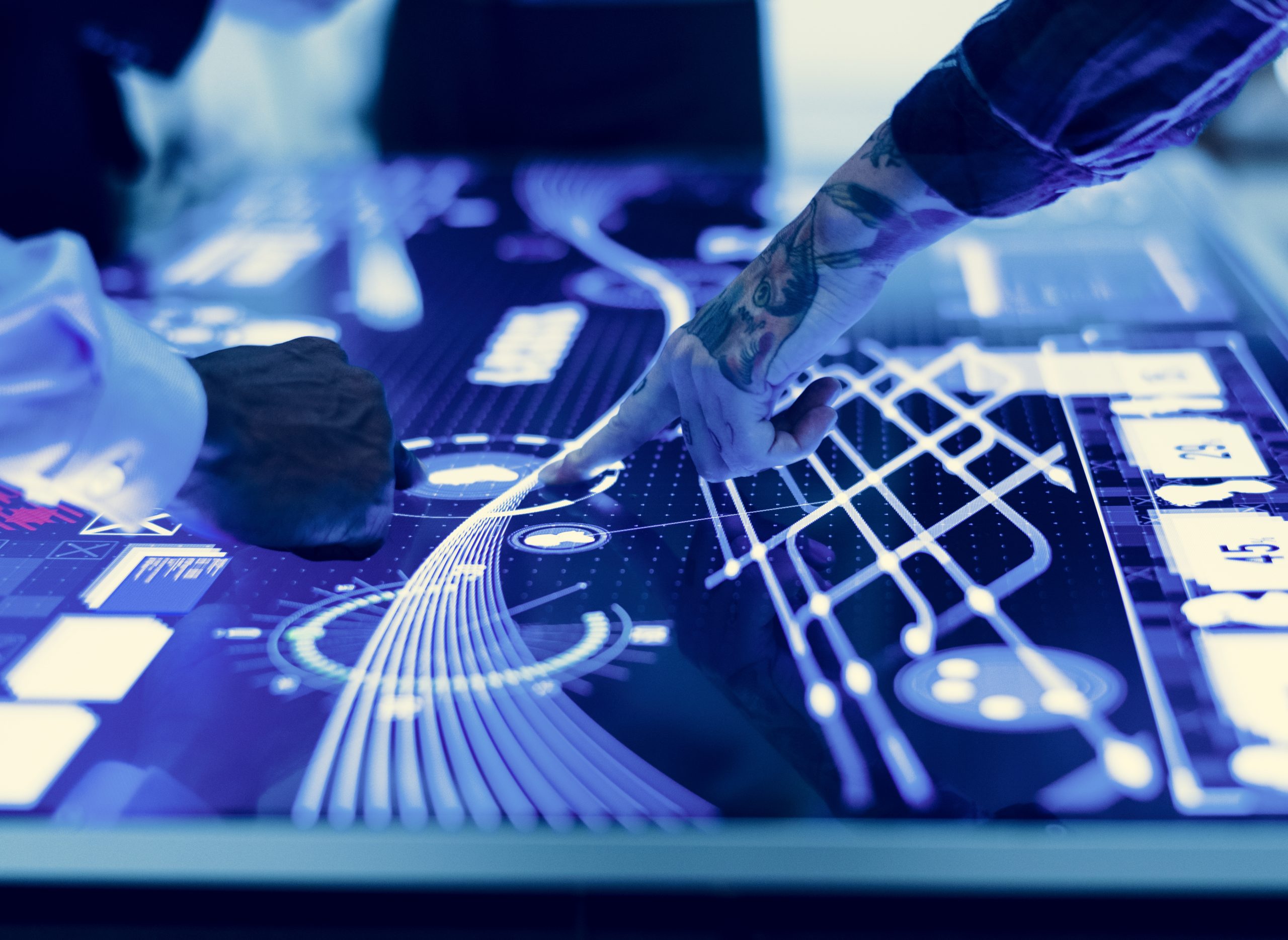
Over 4,000 exhibitors converged on Las Vegas in early January 2026 for CES, the world’s most powerful tech event. The newly renovated Las Vegas Convention Center gleamed as attendees streamed through its connected halls, no longer forced outside to move between sections. Giant video boards advertised the latest innovations in AI, robotics, consumer electronics, and technologies that will shape the next decade.
But underneath the glitz and product announcements, CES 2026 revealed something more fundamental about Las Vegas’s evolution. The city isn’t just hosting a tech conference. It’s becoming part of the tech ecosystem, attracting companies, talent, and investment that will redefine its economic base beyond tourism and gambling.
This transformation carries profound implications for Las Vegas’s future. As the tourism industry grapples with pricing challenges and changing visitor preferences, technology sector growth provides economic diversification and positions Las Vegas for the next phase of development.
CES 2026: AI Everywhere, Answers Unclear
The prevailing theme at CES 2026 was artificial intelligence, with companies across every sector touting AI integration into their products. From toasters to automobiles to healthcare devices, AI became the buzzword that supposedly transformed ordinary products into revolutionary innovations.
“More than one company even decided to forgo announcing things during their conferences to make way for more AI chatter, only to publish press releases later quietly admitting that, yes, actually, they did make some consumer technology,” Engadget noted in its CES coverage. This pattern reflected broader industry trends where AI hype often exceeds actual capabilities.
The more substantive AI demonstrations at CES focused on robotics. SwitchBot’s Onero H1 helper robot, which performed household chores like loading washing machines, represented one of few companies willing to commit to actually selling consumer robotics. The company promised Onero would cost less than $10,000, making it theoretically accessible to affluent consumers if not mass market.
“We saw a lot of robots showing off intriguing and useful capabilities at CES 2026,” Engadget reported. “While a lot of robots impressed us, there were fewer companies willing to commit to actually making them available.” This gap between demonstration and commercialization has characterized consumer robotics for years, with flashy prototypes rarely translating to products consumers can actually purchase.
Beyond AI and robotics, CES 2026 showcased innovations in diverse categories. Dell earned recognition by admitting its mistake in rebranding the iconic XPS laptop line and returning to the original naming. The new XPS 14 and 16 models delivered exactly what customers wanted, demonstrating that even large companies can course-correct when they acknowledge errors.
LEGO’s SMART Play technology, which embedded sensors into bricks to create interactive experiences without requiring complex setup, represented innovative physical-digital integration. WheelMove’s power assist for manual wheelchairs offered simple upgrades that could meaningfully improve user experience. These examples showed that innovation doesn’t always require AI or flashy technology.
The Las Vegas Advantage
Las Vegas offers unique advantages for hosting CES and attracting tech companies more broadly. The Convention Center’s capacity, recently expanded through the $600 million renovation, accommodates CES’s massive scale. The 150,000 hotel rooms within proximity to the convention center provide lodging far exceeding what competing cities can offer. The concentration of restaurants, entertainment, and nightlife makes Las Vegas appealing for attendees who want to combine business with pleasure.
CES’s multi-venue approach, spreading across the Convention Center, Venetian, ARIA, and now Fontainebleau for CES Foundry programming, demonstrates Las Vegas’s ability to handle events too large for single facilities. This flexibility creates competitive advantages over cities with excellent convention centers but limited surrounding infrastructure.
The entertainment value Las Vegas provides also helps tech companies attract attendees to their events and product launches. A company announcing new products at CES benefits from Las Vegas’s reputation and appeal, potentially drawing larger crowds than similar announcements in less exciting locations. The city becomes part of the marketing message.
However, Las Vegas faces disadvantages compared to traditional tech hubs. The lack of major research universities limits talent pipelines and academic-industry collaboration. The tourism-focused economy means fewer established tech companies creating ecosystems of suppliers, partners, and service providers. And Las Vegas’s reputation as an entertainment destination could work against efforts to be taken seriously as a tech center.
The Startup and Innovation Ecosystem
Beyond hosting CES, Las Vegas is developing a broader innovation ecosystem. The Nevada Governor’s Office of Economic Development offers incentives for tech companies to locate in the state. Zero state income tax appeals to entrepreneurs and employees alike. The relatively affordable real estate compared to San Francisco or Seattle makes Las Vegas attractive for startups managing limited capital.
Eureka Park at CES, hosted at the Venetian, focuses specifically on startups and emerging companies. This program gives entrepreneurs access to investors, media, and potential partners they might not otherwise reach. Many successful tech companies trace their origins to Eureka Park debuts, demonstrating the program’s value for launching ventures.
Local organizations like the International Innovation Center @ Vegas and VegasTechFund provide resources, mentorship, and funding for regional startups. These efforts aim to create sustainable tech entrepreneurship rather than just attracting companies from elsewhere. The challenge is building sufficient critical mass that startups succeed, grow, hire, and create the virtuous cycle characterizing successful tech ecosystems.
The Vegas Tech Summit, held regularly throughout the year, brings together local tech entrepreneurs and provides networking opportunities. “While tariffs are shaking manufacturers nationwide, tech entrepreneurs at the Vegas Tech Summit said Thursday that Las Vegas’ innovation sector has largely withstood President Donald Trump’s policies,” industry coverage noted, suggesting some resilience in the local tech community.
Technology in Gaming and Hospitality
Las Vegas’s core industries are themselves technology adopters and innovators. Casino gaming has embraced digital transformation, from mobile betting apps to electronic gaming devices to sophisticated customer relationship management systems. The industry’s willingness to experiment with technology provides opportunities for tech companies developing hospitality and entertainment solutions.
Koin, a Las Vegas-based innovator, exemplifies this intersection. The company’s app allows players to digitally pay at slot machines instead of using cash, modernizing a decades-old technology. While seemingly incremental, such innovations improve user experience while generating valuable data on player behavior.
Hotels are deploying AI for customer service, using chatbots and virtual assistants to handle routine inquiries and requests. Smart room technology allows guests to control lighting, temperature, and entertainment through smartphone apps. These hospitality innovations, while not unique to Las Vegas, benefit from the city’s scale and willingness to invest in guest experience enhancements.
The Sphere, while primarily an entertainment venue, represents technological achievement in its own right. The massive LED screens, acoustics, and immersive capabilities required sophisticated engineering and represent billions in investment. The Sphere’s presence at CES demonstrations and marketing materials illustrates how Las Vegas’s entertainment technology contributes to its broader tech credentials.
CES Foundry: Focusing on Frontier Technologies
CES 2026 introduced CES Foundry at Fontainebleau Las Vegas, a new program focused on AI and quantum technologies. This specialized track recognizes that certain emerging technologies deserve dedicated programming beyond the main show floor.
Quantum computing, while still largely pre-commercial, could revolutionize computing by solving problems impossible for classical computers. AI continues evolving rapidly, with new capabilities and applications emerging constantly. By creating dedicated forums for these technologies, CES acknowledges their importance while providing specialized audiences with relevant content.
The location at Fontainebleau, one of Las Vegas’s newest luxury properties, signals that frontier technologies deserve premium treatment. The programming aims to attract not just technologists but investors, policymakers, and business leaders who need to understand how these technologies will impact their industries.
Whether CES Foundry becomes a permanent fixture or proves unnecessary remains to be seen. The risk is fragmenting CES into too many specialized tracks that dilute the main show’s comprehensive nature. The opportunity is creating focused environments where serious discussions about transformative technologies can occur without distraction.
Hong Kong and International Participation
CES 2026 attracted significant international participation, including a Hong Kong Science and Technology delegation showcasing innovations in advanced materials, sustainable technology, AI, digital transformation, electronics and robotics, and life sciences. Widemount Dynamics Tech’s AI-driven smart firefighting robot earned CES’s Best of Innovation award, demonstrating the quality of international entries.
South Korea also brought substantial presence, with LG Electronics and other major companies featuring prominently. The international participation reflects CES’s global importance and Las Vegas’s position as a neutral ground acceptable to companies from diverse nations.
This international dimension creates networking opportunities that benefit Las Vegas’s tech ecosystem. Foreign companies evaluating U.S. market entry might consider Las Vegas given its hospitality infrastructure, tax advantages, and quality of life. International investors attending CES could fund Las Vegas startups. And the cultural exchange enriches the local community.
However, geopolitical tensions complicate international tech collaboration. Trade restrictions, intellectual property concerns, and national security considerations affect which technologies can be shared and with whom. CES must navigate these complexities while maintaining its role as a forum for global innovation exchange.
The Workforce Challenge
Las Vegas’s technology sector growth faces workforce constraints. The city lacks major universities producing computer science, engineering, and related technical graduates in quantities that established tech hubs provide. UNLV offers programs in these areas but at smaller scale than Stanford, MIT, or Carnegie Mellon.
This talent shortage means tech companies locating in Las Vegas must either import employees from elsewhere or invest heavily in training local workers. The former approach brings educated professionals who boost the economy but don’t address underlying education gaps. The latter requires long-term commitment to workforce development with uncertain returns.
The healthcare sector’s 40% share of all job growth in Southern Nevada during 2025 demonstrates that Las Vegas can develop specialized workforce clusters when conditions align. Healthcare requires significant education and training, yet the sector expanded substantially. Technology could follow similar patterns if companies, educational institutions, and government coordinate around workforce development.
The convergence of technology and hospitality creates opportunities for workers to develop hybrid skills. Understanding both technology and customer service positions workers for roles managing guest-facing technology systems, developing hospitality applications, or operating smart venues. These hybrid roles might provide pathways into tech careers for workers without traditional computer science backgrounds.
The Real Estate and Infrastructure Question
Technology companies require different real estate than casinos and hotels. Office space with modern telecommunications infrastructure, collaborative work environments, and amenities appealing to tech workers differs substantially from hotel towers and gaming floors. Las Vegas’s commercial real estate market has historically catered to tourism, creating potential mismatches between available space and tech company needs.
Some developments specifically target tech tenants. Office buildings with fiber connectivity, conference facilities, and proximity to residential areas rather than casinos appeal to companies seeking Silicon Valley alternatives. The challenge is building sufficient inventory of appropriate space that companies have options when considering Las Vegas.
Housing represents another consideration. Tech workers typically earn high incomes and expect quality housing, good schools, and cultural amenities. Las Vegas offers relatively affordable housing compared to San Francisco or Seattle, an attractive advantage. But the city must continue developing neighborhoods with characteristics tech workers value.
Infrastructure beyond real estate also matters. Technology companies depend on robust internet connectivity, reliable power, and transportation networks. Southern Nevada’s electrical grid must accommodate growing demand from data centers and other tech facilities. The Brightline West high-speed rail project, if completed, could improve Las Vegas’s connectivity to Southern California’s tech ecosystem.
Key Takeaways
- CES 2026 drew over 4,000 exhibitors to the newly renovated Las Vegas Convention Center
- Artificial intelligence dominated demonstrations, though substantive robotics innovations also emerged
- Las Vegas offers unique advantages for tech events through convention capacity, hotel inventory, and entertainment infrastructure
- The local innovation ecosystem is developing through startups, incubators, and programs like Eureka Park
- Technology integration in gaming and hospitality creates opportunities for tech companies serving these industries
- CES Foundry launched to focus specifically on AI and quantum technologies
- International participation from Hong Kong, South Korea, and elsewhere reflects CES’s global importance
- Workforce development and appropriate real estate remain challenges for tech sector growth
Important Insights
CES’s continued growth and success in Las Vegas validates the decision to invest in convention infrastructure. The $600 million convention center renovation directly benefits CES while positioning Las Vegas to host other major tech events. This infrastructure-event-infrastructure virtuous cycle drives long-term economic development.
The gap between AI hype and actual product delivery at CES 2026 reflects broader technology industry patterns. Many “AI-powered” products simply added chatbots or basic automation while marketing themselves as revolutionary. Distinguishing genuine innovation from marketing requires skepticism and understanding of underlying technology.
Las Vegas’s potential as a tech hub depends on deliberate strategy rather than assuming CES attendance alone drives tech sector growth. The city needs coordinated efforts around education, workforce development, real estate, and business incentives to attract and retain tech companies beyond the annual CES pilgrimage.
The convergence of hospitality and technology creates unique opportunities for Las Vegas. Rather than trying to replicate Silicon Valley, Las Vegas should leverage its hospitality expertise to become the center for hospitality technology innovation. This focused strategy plays to existing strengths while creating differentiated positioning.
International participation at CES demonstrates technology’s global nature but also exposes Las Vegas to geopolitical complexity. As tech competition intensifies between nations, CES must navigate tensions while maintaining its role as neutral ground for innovation exchange. How successfully it manages this balance will impact its long-term viability.
The annual concentration of global tech talent, investors, and media at CES creates spillover effects that benefit Las Vegas year-round. Companies that debut products at CES maintain Las Vegas relationships. Investors who attend CES evaluate local startups. Media covering CES discover local tech stories. These ongoing connections compound over time.
The evolution from gambling destination to sports and entertainment capital now includes technology innovation as another dimension. Each addition diversifies Las Vegas’s economy and reduces vulnerability to any single industry’s volatility. This economic complexity makes Las Vegas more resilient while creating opportunities for residents in diverse sectors.
For more information about CES and Las Vegas’s tech ecosystem, visit CES Official Site and the Nevada Governor’s Office of Economic Development.