



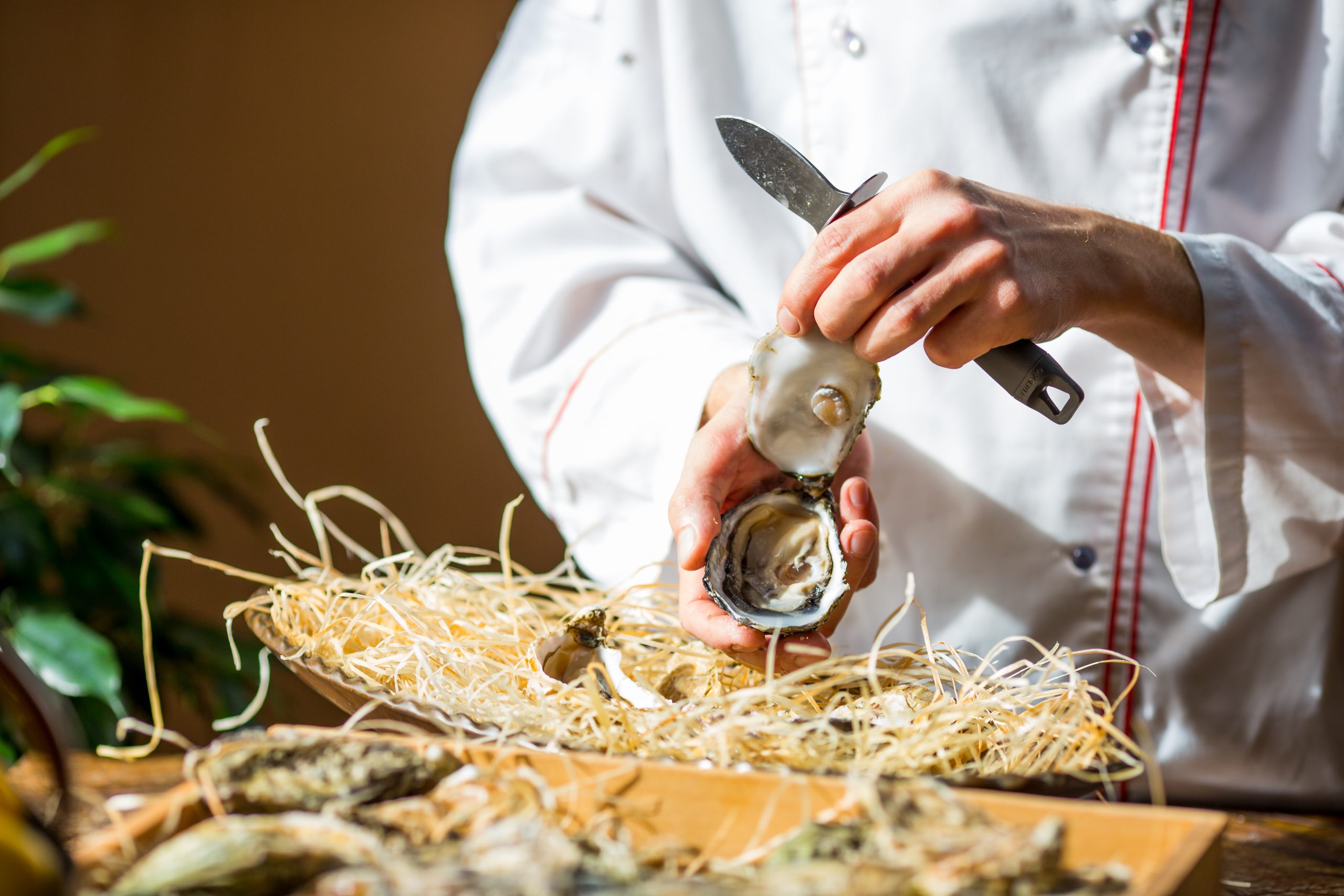
The Lake of Dreams at Wynn Las Vegas has always been spectacle. The 45-foot waterfall. The 5,500 LED lights. The choreographed shows that transform the lakefront into theatrical experiences. For years, Lakeside restaurant occupied this prime real estate, offering solid food in an extraordinary setting. But in July 2025, Lakeside closed. By May 2025, Pisces Bar & Seafare had taken its place, bringing a completely different approach to lakefront dining.
Pisces isn’t just another seafood restaurant. It’s Wynn’s statement about what coastal Mediterranean cuisine can be when executed with the resources, talent, and ambition that major Strip properties bring to their signature concepts. Executive chef Martin Heierling sources fish daily from across the Mediterranean. The restaurant operates a dry-aged fish program, treating seafood with the same reverence and technique typically reserved for premium beef. And the two-level dining room, designed by Todd-Avery Lenahan, creates an environment that matches the food’s sophistication.
The opening of Pisces, and the choices Wynn made in developing the concept, reveals how established Strip properties think about refreshing their dining portfolios, what it takes to differentiate in an increasingly crowded seafood category, and why location alone isn’t enough to sustain a restaurant long-term.
The Lakeside Problem
Lakeside wasn’t a bad restaurant. It served decent food in one of the most spectacular settings on the Strip. The Lake of Dreams provided built-in entertainment and ambiance that most restaurants would kill for. Yet Wynn decided to close it and start over. Why?
The answer lies in understanding the difference between adequate and exceptional. Lakeside was adequate. It met basic expectations. Guests dining there weren’t disappointed. But adequate doesn’t command premium pricing in competitive markets. It doesn’t generate buzz or drive destination visits. And it doesn’t maximize the value of extraordinary real estate like lakefront property at one of Vegas’ most prestigious resorts.
Wynn recognized that having a merely good restaurant in that location represented missed opportunity. The Lake of Dreams deserved a restaurant that matched its drama and spectacle. That meant going beyond competent execution of familiar dishes to creating something genuinely distinctive. Not just another seafood restaurant, but a seafood restaurant with a specific point of view, executed at a level that justifies the setting.
This decision to close an operating restaurant and invest in building something better reflects confidence in dining as a competitive differentiator. Lesser properties might have left Lakeside alone, reasoning that the location would carry mediocre food. Wynn bet that exceptional food in an exceptional location creates value that justifies the disruption and investment.
The Mediterranean Focus
American restaurants that serve seafood typically source from familiar waters. East Coast oysters. West Coast salmon. Gulf shrimp. These are the standards, the ingredients diners recognize and trust. Pisces takes a different approach, sourcing fish daily from across the Mediterranean and showcasing it through a dry-aged program that remains relatively rare in seafood contexts.
This Mediterranean focus creates several advantages. First, it differentiates Pisces from other Strip seafood restaurants. Plenty of places serve excellent fish. Fewer specialize in Mediterranean varieties prepared using Mediterranean techniques. This specificity gives the restaurant a distinct identity rather than positioning it as just another high-end seafood option.
Second, the Mediterranean focus allows for storytelling that enhances the dining experience. Each fish comes from specific waters with particular characteristics. Heierling and his team can explain provenance, preparation methods, and why certain fish from certain regions offer unique flavors. This educational component adds value beyond just the food itself.
Third, focusing on Mediterranean seafood aligns with broader culinary trends toward lighter, healthier preparations that emphasize quality of ingredients over heavy sauces or complicated techniques. The Mediterranean diet’s reputation for health benefits creates positive associations that support premium pricing.
But the Mediterranean focus also creates challenges. Many guests won’t be familiar with some of the fish varieties Pisces serves. This requires staff to educate rather than simply take orders. It means some diners will be hesitant, preferring familiar options they know they’ll enjoy. And it demands consistency in sourcing, ensuring that the daily Mediterranean fish deliveries meet quality standards regardless of season or supply chain complications.
The Dry-Aged Fish Innovation
Most diners understand dry-aged beef. The process involves controlled aging that intensifies flavor, tenderizes meat, and creates the kind of deep, complex taste that fresh beef cannot deliver. Dry-aging fish follows similar principles but requires even more precision because seafood spoils more quickly than beef.
When done properly, dry-aging concentrates the fish’s natural flavors while developing new aromatic compounds that add complexity. The texture changes too, becoming firmer and more substantial. Species like branzino, which Pisces features prominently in their dry-aged program, develop almost meaty character that transforms them from mild white fish into something much more interesting.
This technique positions Pisces at the forefront of seafood innovation. While some high-end restaurants have experimented with dry-aged fish, it remains relatively uncommon compared to dry-aged beef programs. By making it a signature element of their approach, Pisces creates a talking point that distinguishes the restaurant and gives food writers and diners something specific to highlight.
But dry-aging fish also requires significant investment in infrastructure and expertise. The temperature and humidity controls must be precise. The fish must be monitored constantly. Staff need training to understand the process and explain it to guests. And the program ties up refrigeration space and inventory that could otherwise be used more efficiently.
Wynn’s willingness to support this kind of investment demonstrates commitment to making Pisces genuinely exceptional rather than simply adequate. Lesser properties might balk at the cost and complexity. Wynn understood that creating a truly distinctive seafood program requires exactly this kind of technique-driven innovation.
The Design as Experience
Todd-Avery Lenahan’s design for Pisces doesn’t just provide attractive surroundings. It creates an environment that enhances the food and amplifies the lakefront location’s impact. The mosaic copper floor reflects light in ways that evoke water and movement. The 400 Murano-glass orbs suspended overhead suggest bubbles or perhaps marine life. Every design choice reinforces the seafood-and-water theme without being heavy-handed or kitschy.
The two-level layout serves functional purposes beyond aesthetics. Different levels provide varying perspectives on the Lake of Dreams, allowing the restaurant to offer distinct experiences within a single concept. Lower-level seating puts guests closer to the water, creating intimacy with the lake. Upper-level seating provides broader views of the entire spectacle.
This vertical arrangement also helps manage different dining occasions. The lower level might appeal to romantic couples seeking intimate experiences. The upper level works better for larger groups who want to see everything. By accommodating different needs within one restaurant, Pisces maximizes its addressable market without diluting its concept.
The bar, curated by Wynn’s master mixologist Mariena Mercer Boarini, represents another layer of the experience. The cocktail program includes drinks like the Sirena, made with strawberry lemongrass vodka, passionfruit cordial, wild thyme honey, pineapple, Amalfi citrus, and clarified Greek yogurt. There’s also a menu dedicated to Spanish-inspired gin and tonics. These aren’t afterthoughts or generic cocktails. They’re crafted to complement the Mediterranean seafood while standing on their own as reasons to visit the bar.
This attention to every aspect of the experience, from food to design to beverages, reflects Wynn’s overall approach to hospitality. Nothing is left to chance. Every element works together to create cohesive experiences that justify premium pricing and generate the kind of word-of-mouth marketing that sustains restaurants long-term.
The Wynn Dining Strategy
Pisces fits into Wynn’s broader dining strategy in specific ways. The property already has strong steakhouse offerings with SW Steakhouse. It has Costa di Mare for Italian seafood. It has Mizumi for Japanese. Each restaurant occupies a distinct position, appealing to different tastes and occasions without directly competing with each other.
Pisces adds coastal Mediterranean to this portfolio, filling a gap while leveraging the Lake of Dreams location that was underutilized by Lakeside. This careful curation of dining options reflects sophisticated thinking about portfolio management. Rather than simply collecting famous chef names or replicating successful concepts from other properties, Wynn thinks strategically about how different restaurants work together to serve varied guest needs.
The property can now direct guests to appropriate restaurants based on their preferences. Want red meat? SW Steakhouse. Italian seafood? Costa di Mare. Mediterranean? Pisces. This kind of internal diversity keeps guests on property rather than sending them to competitors, which matters enormously for overall property performance.
Chef Christopher Lee, Wynn’s senior vice president of culinary operations and restaurant development, has spoken about carefully curating restaurants that complement the brand without compromising guest experience. His background, which includes working for Charlie Palmer’s Aureole and time with the Starr Restaurant Group in New York, provides the expertise needed to evaluate concepts and ensure quality standards.
This experienced leadership matters. Some properties chase trends or make dining decisions based primarily on near-term revenue projections. Wynn, under Lee’s direction, takes a longer view, building a dining ecosystem that creates sustained competitive advantage rather than short-term buzz.
The Timing Question
Pisces opened in May 2025, just before the summer tourism dip that challenged many Las Vegas operators. This timing created both risk and opportunity. The risk came from opening into a softening market where visitors were pulling back on premium dining spending. The opportunity came from having several months to establish operations and build reputation before the busy fall and winter seasons.
The restaurant’s ability to succeed despite challenging market conditions would validate both the concept and Wynn’s confidence in investing significant resources into upgrading the lakefront space. Early reports suggest Pisces has performed well, though sustained success over multiple quarters will provide clearer indication of long-term viability.
The timing also positioned Pisces to benefit from the broader conversation about Las Vegas dining evolution. Food writers covering the city’s restaurant scene needed new stories to tell. A Mediterranean seafood restaurant with dry-aged fish program in a spectacularly designed space overlooking the Lake of Dreams provided exactly the kind of content that generates coverage and awareness.
Notes and Key Takeaways
For Restaurant Operators:
Wynn’s decision to close an operating restaurant and invest in creating something better demonstrates that adequate performance in extraordinary locations represents missed opportunity. The incremental revenue from moving from good to exceptional can justify significant reinvestment.
For Diners:
Pisces offers a distinct approach to seafood dining that goes beyond simply serving fresh fish. The Mediterranean focus, dry-aged program, and lakefront setting combine to create experiences that justify premium pricing and reward diners seeking something beyond familiar seafood preparations.
For Las Vegas:
Properties like Wynn increasingly compete on dining quality and diversity rather than just gaming and entertainment. The willingness to invest in upgrading successful restaurants into exceptional ones signals confidence in dining as a long-term competitive differentiator.
Important Insights:
The dry-aged fish program, while technically impressive, also serves marketing purposes by giving food writers and diners specific talking points. Technical innovation creates stories that generate coverage and word-of-mouth, which drives awareness more effectively than generic claims about quality or freshness.
Pisces’ two-level design maximizes the value of the Lake of Dreams frontage by creating multiple distinct vantage points within a single restaurant. This vertical utilization of space allows for varied experiences and price points without requiring separate concepts.
The Mediterranean sourcing strategy differentiates Pisces from competitors while aligning with health-conscious dining trends. As consumers increasingly seek lighter, ingredient-focused preparations, Mediterranean seafood positions perfectly to capture this demand.
Master mixologist Mariena Mercer Boarini’s involvement in creating the cocktail program reflects Wynn’s understanding that beverage programs contribute significantly to overall restaurant perception and profitability. The Spanish-inspired gin and tonic menu provides talking points while generating premium beverage revenue.
The decision to focus on coastal Mediterranean rather than generic seafood creates clearer positioning and allows for more focused execution. Trying to serve every kind of seafood from every region would dilute the concept. Specialization enables expertise and creates distinctive identity.
Pisces’ opening filled a specific gap in Wynn’s dining portfolio rather than duplicating existing offerings. This strategic approach to restaurant development ensures internal concepts complement rather than compete with each other, maximizing overall property dining revenue.
The Lake of Dreams location provides built-in entertainment value that enhances the dining experience without requiring the restaurant to create its own spectacle. The choreographed shows and lighting create memorable moments that guests associate with the restaurant even though Pisces doesn’t control them.
The May opening timing, before peak summer season, allowed Pisces to work out operational issues and train staff during relatively lower-pressure periods. This strategic scheduling increases the likelihood of consistent execution when business increases.
Chef Martin Heierling’s daily Mediterranean sourcing requires supply chain relationships and logistics that most restaurants cannot or will not develop. This operational complexity creates barriers to entry that protect Pisces from easy replication by competitors.