



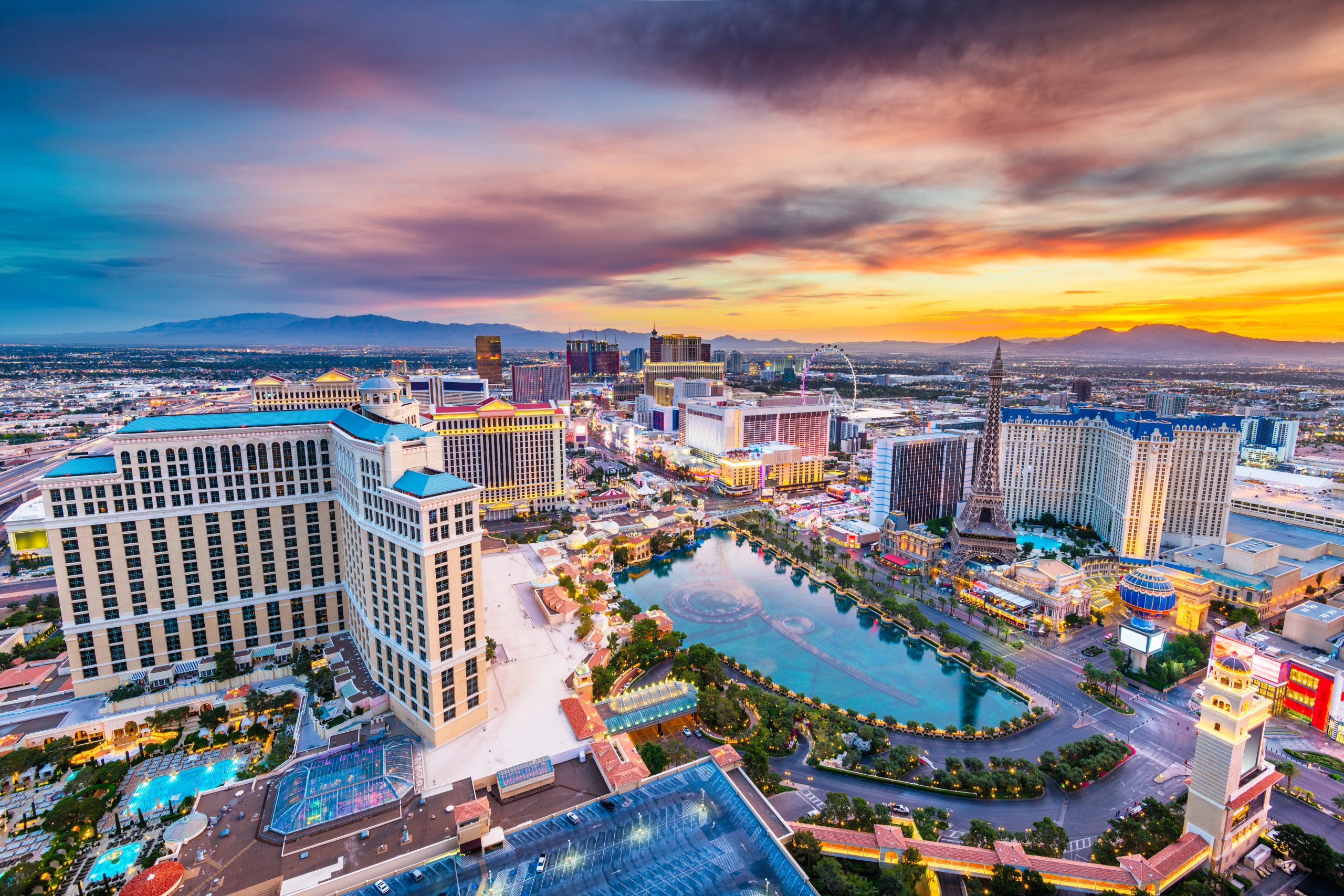
The Bellagio fountains have performed their choreographed water ballet for millions of visitors since 1998. The spectacle, visible from Las Vegas Boulevard, has become one of the city’s most iconic attractions. People stop on the sidewalk to watch. They plan their evenings around show times. They propose marriage during the performances. The fountains are, in every sense, prime real estate.
So when Major Food Group decided to open Carbone Riviera in November 2025, they didn’t just want a view of the fountains. They wanted to be on the water itself, creating a dining experience where the spectacle surrounds you rather than simply providing a backdrop. The result is a restaurant that occupies the shores of the Bellagio lagoon, with a yacht available for VIP guests who want to dine literally on the water while the fountains perform around them.
This isn’t Major Food Group’s first Las Vegas project. They already operate Carbone at Aria, along with other concepts across the Strip. They understand the Vegas market, know how to work with casino partners, and have proven they can translate New York success to Nevada. But Carbone Riviera represents something more ambitious. It’s an attempt to create not just another excellent Italian restaurant, but a destination experience that leverages one of Las Vegas’ most valuable assets in ways no previous restaurant has.
The Location Premium
Real estate people talk about location, location, location. For restaurants, location determines everything from rent costs to foot traffic to the kind of customers who walk through the door. Strip locations offer tourist visibility but come with massive occupancy costs. Neighborhood locations provide local loyalty but limit tourist exposure. Each choice involves tradeoffs.
Carbone Riviera’s location on the Bellagio lagoon eliminates these tradeoffs entirely. The restaurant sits on property that casino developers would traditionally reserve for gaming space or ultra-premium retail. The lagoon frontage, with unobstructed fountain views, represents some of the most valuable square footage in Las Vegas. Using this space for a restaurant signals MGM’s confidence in dining as a revenue driver and amenity that attracts high-value guests.
But location alone doesn’t guarantee success. Plenty of restaurants occupy premium real estate and still fail because the concept doesn’t justify the setting. Carbone Riviera works because Major Food Group understood they weren’t just opening another Italian restaurant. They were creating a theatrical dining experience where the location and the food had to work together.
The dining room features a patio that puts guests directly on the lagoon’s edge. The yacht, available for private dining, allows parties to experience the fountains from the water itself, something previously impossible for anyone except Bellagio staff. These design choices transform dining from a meal into an event, which justifies premium pricing and creates the kind of memorable experiences that drive word-of-mouth marketing.
The Major Food Group Formula
Major Food Group has become remarkably skilled at replicating success across multiple locations while maintaining quality and consistency. Their formula relies on several key elements. First, they identify proven concepts with strong brand recognition. Carbone, their Italian-American restaurant, has achieved near-iconic status in New York. Second, they adapt these concepts for specific markets without diluting what makes them special. Carbone Riviera isn’t just Carbone with a different view. It’s a distinct iteration that respects the original while embracing its unique setting.
Third, they invest in design and atmosphere at levels that independent restaurants typically cannot match. The Douglas Friedman-designed interiors at Carbone Riviera communicate luxury and sophistication from the moment guests enter. Every detail, from lighting to furnishings to table settings, reinforces the premium positioning.
Fourth, they understand service. Major Food Group restaurants don’t just serve good food. They provide the kind of polished, attentive service that high-end diners expect. Servers know the menu intimately. They understand wine pairings. They manage pacing so meals unfold at the right rhythm. This operational excellence requires extensive training and quality staffing, which requires paying above-market wages and creating work environments where talented service professionals want to stay.
Finally, they price appropriately for what they deliver. Carbone Riviera isn’t trying to compete on value. It’s competing on experience, and the prices reflect that positioning. This allows the restaurant to maintain quality standards without cutting corners or compromising on ingredients, service, or atmosphere.
Italian-American vs. Italian
An interesting tension exists at the heart of Carbone Riviera’s concept. The food is Italian-American, not authentically Italian. This distinction matters more than it might initially appear. Italian-American cuisine, the red sauce tradition developed by Italian immigrants in New York and other American cities, differs significantly from regional Italian cooking. Portions are larger. Flavors are bolder. The presentations lean into abundance rather than restraint.
Some diners, particularly those who have traveled extensively in Italy or who take a purist approach to cuisine, look down on Italian-American food as less sophisticated than authentic Italian. But this perspective misses what makes the tradition valuable. Italian-American cuisine is its own thing, with its own history and techniques and logic. When executed well, it delivers satisfaction and pleasure that different doesn’t mean inferior.
Major Food Group embraces this tradition rather than running from it. Carbone Riviera serves the classics of Italian-American cooking. Spicy rigatoni vodka. Veal parmigiana. Caesar salad prepared tableside. These aren’t dishes you’d find in a trattoria in Rome or Bologna. They’re dishes that Italian-Americans perfected in New York, and Carbone executes them at the highest level.
This approach creates both advantages and challenges. On the advantage side, Italian-American food has broad appeal. Most Americans grew up eating some version of it and have positive associations with the flavors and preparations. The food feels familiar while still allowing for premium execution and presentation.
On the challenge side, the restaurant must convince diners that elevated Italian-American cooking justifies premium prices. A plate of spaghetti and meatballs, no matter how well executed, carries associations with casual red sauce joints charging $15 or $20 per entree. Carbone Riviera charges significantly more, and the location, service, and execution must work together to justify the price premium.
The Experience Economy
Carbone Riviera’s success connects to broader trends in how people spend money on dining. Younger affluent consumers, the demographic that drives much of Vegas’ premium dining revenue, increasingly prioritize experiences over things. They’d rather pay for memorable meals at exceptional restaurants than buy another watch or handbag.
This shift benefits restaurants that understand how to create Instagram-worthy moments and shareable experiences. The yacht dining at Carbone Riviera provides exactly this kind of social currency. Guests can post photos and videos of themselves dining on the Bellagio lagoon while fountains dance in the background. This content performs well on social media, which drives awareness and desire among followers.
But social media appeal alone doesn’t sustain restaurants long-term. The food still has to deliver. The service must meet expectations. The overall experience needs to justify not just the initial visit but potential return visits. Carbone Riviera balances spectacle with substance, using the location and yacht to attract attention while relying on food quality and service excellence to create loyalty.
This balance matters particularly in Las Vegas, where restaurants face constant pressure to generate buzz while also building sustainable businesses. Tourist-focused concepts can succeed with high turnover and one-time visitors. But the most successful Strip restaurants, the ones that remain profitable through market cycles, also cultivate local followings and repeat visitors.
The Bellagio Portfolio Strategy
MGM’s decision to partner with Major Food Group for a lagoon-front restaurant reflects broader portfolio management strategy. The Bellagio houses some of Las Vegas’ most celebrated restaurants. Michael Mina’s Bellagio location. Le Cirque. Lago. Prime Steakhouse. Each occupies a specific position in the property’s dining ecosystem, appealing to different guest segments and serving different occasions.
Carbone Riviera adds Italian-American to this mix while leveraging the property’s most distinctive physical asset. The location creates competitive advantage that restaurants at other properties simply cannot match. You can find excellent Italian food at multiple Strip locations. You can only dine on the Bellagio lagoon at Carbone Riviera.
This kind of differentiation matters increasingly as Las Vegas dining becomes more competitive. When every major casino has a steakhouse, Italian restaurant, and celebrity chef concept, properties need distinctive offerings that provide reasons to choose them over alternatives. The lagoon location gives Bellagio something unique, and Carbone Riviera maximizes that advantage.
The partnership also demonstrates how casino operators increasingly think about restaurants. Rather than simply leasing space to the highest bidder or partnering with celebrity chefs based on name recognition, properties like Bellagio work with hospitality groups that have proven ability to execute high-end concepts consistently. Major Food Group’s track record in New York and their existing Vegas operations made them ideal partners for a project requiring flawless execution.
Notes and Key Takeaways
For Restaurant Operators:
Carbone Riviera demonstrates how location and concept must work together to justify premium positioning. The lagoon-front setting doesn’t just provide nice views. It fundamentally shapes the dining experience in ways that differentiate the restaurant from competitors and justify price premiums.
For Diners:
Carbone Riviera offers a distinct take on Italian-American classics in one of Las Vegas’ most spectacular settings. The restaurant succeeds by embracing rather than apologizing for its Italian-American identity while executing traditional dishes at the highest level.
For Las Vegas:
The investment in lagoon-front dining space signals casino operators’ recognition that exceptional restaurants drive guest choice and spending. Properties increasingly compete on dining portfolios rather than just gaming offerings and room amenities.
Important Insights:
The yacht element, while seemingly extravagant, serves multiple strategic purposes. It creates VIP experiences that justify even higher price points than the main dining room. It generates social media content that markets the restaurant organically. And it provides flexible space for private events and special occasions that generate premium revenue.
Major Food Group’s success with multiple Las Vegas concepts proves that restaurant groups can replicate excellence across locations when they invest in proper infrastructure, training, and quality standards. This challenges the assumption that only celebrity chefs or one-off concepts can succeed at the highest levels.
Carbone Riviera’s November 2025 opening, during a period when Las Vegas was reassessing value propositions after summer tourism challenges, required confidence in the concept’s ability to attract guests willing to pay premium prices. The restaurant’s early success suggests that unique, well-executed experiences continue to command strong pricing power despite broader market softness.
The distinction between Italian and Italian-American cuisine matters for setting accurate expectations. Diners expecting authentic regional Italian cooking might be disappointed by Carbone Riviera’s approach. Those who appreciate Italian-American traditions executed at premium levels will find exactly what they’re looking for.
The lagoon location creates operational challenges that traditional restaurant spaces don’t face. Weather affects outdoor dining. Fountain show schedules influence table turnover. Yacht operations require coordination with Bellagio’s facilities team. Successfully navigating these complexities while maintaining consistent service quality demonstrates Major Food Group’s operational sophistication.
Carbone Riviera’s success could influence future restaurant development at properties with distinctive physical assets. If lagoon-front dining generates strong returns, expect other casinos to reconsider how they use premium real estate that previously might have been reserved for other purposes.
The restaurant’s positioning as special occasion dining rather than casual repeat visits shapes its business model and sustainability. Success doesn’t require locals eating there weekly. It requires a steady stream of celebrations, important dinners, and visitors seeking memorable Vegas experiences willing to pay premium prices.
Italian-American cuisine’s broad appeal provides cushion that more specialized cuisines might lack. Even diners unfamiliar with Carbone’s specific approach understand spaghetti and meatballs or chicken parmigiana. This familiarity reduces perceived risk compared to restaurants serving less widely known cuisines or more adventurous preparations.