

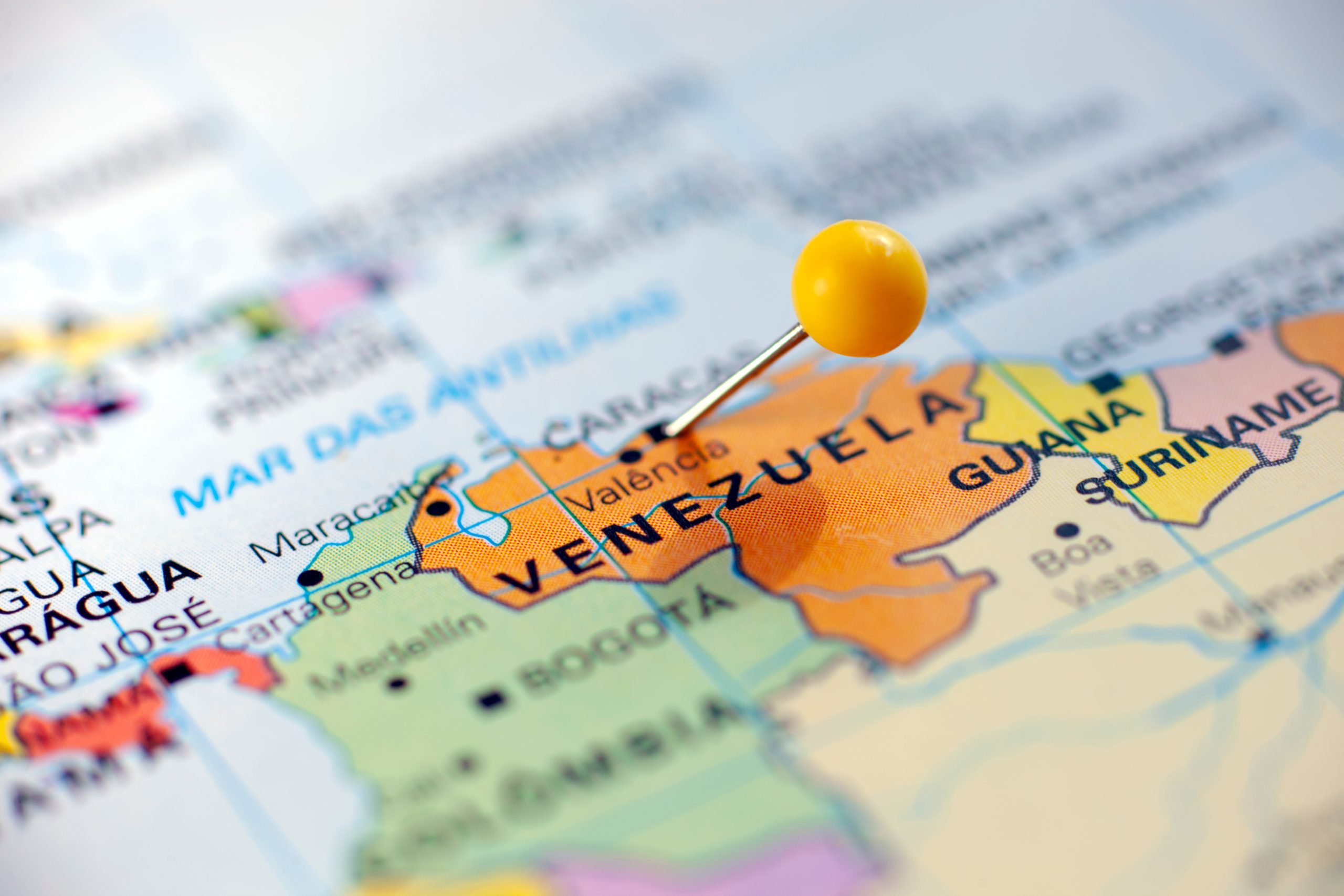
In January 2026, a trader on Polymarket collected a $400,000 payout after correctly predicting the nighttime raid that led to Venezuelan President Nicolás Maduro’s capture. The bulk of the trader’s bids were placed mere hours before President Donald Trump announced the surprise operation. The dramatic win thrust prediction markets into the spotlight and raised questions about whether this emerging form of wagering represents the future of speculative trading or simply gambling by another name.
For Nevada, which legalized prediction markets in 2025, the distinction matters enormously. Prediction markets could become a $1 trillion industry as they continue to grow, according to a recent report. The question is whether Nevada positions itself at the center of this revolution or watches as other jurisdictions capture the opportunity.
What Are Prediction Markets?
Prediction markets allow participants to bet on future events beyond traditional sports. Will a particular politician win election? Will a specific piece of legislation pass? Will a company merger be approved? Will a geopolitical event occur? These questions, previously the domain of pundits and forecasters, become markets where participants can back their beliefs with money.
The theory behind prediction markets suggests that aggregating the wisdom of crowds produces more accurate forecasts than individual experts. When people risk real money on predictions, they think more carefully and incorporate more information than when simply offering opinions. The market price reflects collective probability assessments, creating a real-time forecasting mechanism.
Traditional sports betting shares some characteristics with prediction markets. Both involve wagering on future uncertain events. Both generate odds based on participant activity. Both attract skilled analysts seeking edges through superior information or analysis. But prediction markets extend beyond sports to virtually any verifiable future event, dramatically expanding the potential market.
Nevada’s regulatory approach treats prediction markets as a form of gambling requiring casino licensing and oversight. This framework provides consumer protection and ensures integrity while allowing innovation. Other jurisdictions have struggled to classify prediction markets, with some viewing them as securities requiring SEC oversight, others as gambling requiring gaming licenses, and still others as something entirely different.
Nevada’s First-Mover Advantage
Nevada legalized prediction markets in 2025, making it the first U.S. jurisdiction to create a comprehensive regulatory framework for this emerging industry. The decision reflected Nevada’s long history of gambling innovation and willingness to embrace new forms of wagering when other states remain cautious.
The timing proved fortuitous. As prediction markets gained popularity through platforms like Polymarket, Kalshi, and others, Nevada positioned itself as the natural home for these operations. The state’s established gambling infrastructure, experienced regulators, and cultural acceptance of wagering created advantages that other jurisdictions lack.
Gaming entrepreneur Si Redd, speaking about Nevada’s gambling innovation, suggested the state should embrace prediction markets and “tax the hell out of them.” His comment, while provocative, captured the revenue opportunity prediction markets represent. If the industry grows to $1 trillion as some project, tax revenue from Nevada-based operations could significantly impact state finances.
The first-mover advantage also attracts related businesses. Technology companies developing prediction market platforms might locate in Nevada to be near regulators and customers. Financial services supporting prediction markets could establish Nevada operations. Marketing and media companies covering prediction markets might cluster in Las Vegas. These secondary effects multiply the direct economic impact.
The Regulatory Challenge
Nevada Attorney General Aaron Ford filed a “friend of the court” brief supporting Maryland in its legal battle with prediction market provider KalshiEx LLC. The dispute centers on whether states can regulate prediction markets or whether federal law preempts state authority. Nevada’s position supports state regulatory authority, protecting its ability to oversee prediction markets within its borders.
This legal complexity illustrates challenges facing prediction market growth. Multiple regulatory frameworks potentially apply: gambling laws, securities regulations, commodities trading rules, and gaming licensing requirements. Until courts and legislatures clarify which framework governs, uncertainty constrains industry development.
Nevada’s approach attempts to fit prediction markets within its existing gambling regulatory structure. This provides clarity for operators willing to obtain Nevada gambling licenses and comply with gaming regulations. However, it also limits participation to licensed entities and subjects prediction markets to the same restrictions as traditional sports betting.
Some prediction market advocates argue that event contracts are fundamentally different from gambling and should be regulated differently. They point to the informational value prediction markets provide: accurate real-time probabilities about important events that help businesses, governments, and individuals make better decisions. From this perspective, restricting prediction markets to gambling frameworks limits their societal benefits.
Nevada’s practical approach prioritizes getting markets operational under existing authority rather than waiting for ideal legislation. If prediction markets prove successful under gambling regulations, frameworks can evolve. If they fail, Nevada hasn’t committed to creating entirely new regulatory categories.
The Maduro Payout: Windfall or Warning?
The $400,000 Polymarket payout for predicting Maduro’s capture generated intense scrutiny of prediction markets. Some celebrated it as demonstrating the markets’ value: someone with superior information or analysis correctly predicted an unlikely event and was rewarded. Others worried it suggested insider trading or information asymmetry that could make prediction markets exploitable.
The timing of the bets (hours before the official announcement) raised particular concerns. Did the trader have inside information about the planned raid? If so, does that constitute legitimate skill-based wagering or problematic insider trading? These questions have implications for how prediction markets should be regulated and what information advantages are acceptable.
Traditional sports betting faces similar issues. Sharp bettors with superior information or analysis consistently profit from less-informed casual bettors. But sports have rules against insider betting: athletes, coaches, and team employees can’t wager on games they influence. Establishing similar rules for prediction markets proves more complex because “insiders” for most events aren’t as clearly defined.
The dramatic payout also demonstrated prediction markets’ promotional value. The story generated widespread media coverage, introducing millions of people to prediction markets who might not have otherwise heard of them. Whether this publicity helps or hurts long-term depends on whether audiences view the trader as skillful or as exploiting unfair advantages.
For Nevada, events like the Maduro payout raise the stakes for getting regulation right. If prediction markets attract participants willing to wager hundreds of thousands on political events, the markets could generate significant Nevada revenue. But if inadequate regulation allows manipulation or fraud, the resulting scandals could damage Nevada’s gambling reputation.
Integration with Sports Betting
Prediction markets’ relationship with traditional sports betting remains complex. Some sportsbooks experiment with prediction market-style offerings: season-long wagers on MVP awards, playoff outcomes, coaching changes, and other events beyond individual game results. These offerings blur the line between sports betting and prediction markets.
Las Vegas casinos and sportsbooks could integrate prediction markets into their existing operations, offering customers one-stop shopping for all forms of wagering. The infrastructure for accepting bets, managing risk, and paying winners already exists. Adding prediction markets would simply extend existing platforms to new event types.
However, sports betting and prediction markets attract different customers with distinct motivations. Sports bettors typically focus on games, points spreads, and prop bets tied to athletic competition. Prediction market participants often care more about politics, business, or other non-sports events. Whether these audiences overlap enough to justify integrated offerings remains unclear.
The Circa Million NFL contest demonstrated that Las Vegas customers will engage with season-long competitive formats requiring sustained participation. When two entries tied for first place, a tiebreaker neither participant was aware of gave one entry $1 million and the other half a million. The contest’s success (and the tiebreaker controversy) shows that multi-week competitive wagering can work in Las Vegas.
Prediction markets could operate similarly: participants make multiple predictions over time, with performance judged cumulatively rather than on individual bets. This format rewards consistency and skill rather than luck on single events. It also keeps participants engaged across longer periods, increasing lifetime customer value.
The Technology Platform Challenge
Successful prediction markets require sophisticated technology platforms. The systems must handle high-frequency trading, provide real-time odds updates, ensure transaction security, prevent manipulation, and offer intuitive user interfaces. Building such platforms demands significant technical expertise and capital investment.
Nevada-based gaming companies could develop proprietary prediction market platforms, leveraging gambling industry experience with odds-making, risk management, and customer engagement. Alternatively, they could partner with existing prediction market technology providers like Polymarket or Kalshi, providing Nevada licensing and market access in exchange for technology and operational expertise.
The mobile-first reality of modern wagering makes technology platforms even more critical. Successful prediction markets must offer seamless smartphone experiences allowing users to place, monitor, and cash out predictions from anywhere. Desktop-only or brick-and-mortar-only approaches will fail to capture the core demographic most interested in prediction markets.
Data and analytics also play crucial roles. Prediction market platforms need to ingest information from multiple sources, analyze it in real-time, and adjust odds accordingly. They must detect unusual trading patterns that might indicate manipulation or insider trading. They need to provide participants with sufficient information to make informed decisions while preventing information overload.
The companies that solve these technology challenges will dominate the prediction market space. Nevada’s opportunity lies in creating regulatory and business environments that attract these technology leaders to establish Nevada operations.
Revenue Projections and Economic Impact
If prediction markets reach even a fraction of the projected $1 trillion industry size, Nevada could capture substantial economic benefits. Even a modest 5% market share would mean $50 billion in trading volume, generating significant tax revenue, employment, and ancillary business activity.
However, these projections depend on numerous assumptions about regulatory clarity, consumer adoption, product development, and competitive dynamics. Prediction markets might grow more slowly than optimists project, particularly if regulatory uncertainty or high-profile scandals constrain development.
The economic impact also depends on whether Nevada hosts prediction market operations or simply licenses remote operations headquartered elsewhere. Physical presence in Nevada multiplies economic benefits through employment, office space, local purchases, and executive spending. Remote operations licensed by Nevada generate only licensing fees and taxes on Nevada-resident winnings.
Nevada should pursue policies that encourage physical presence. Tax incentives, regulatory streamlining, and infrastructure investment could convince prediction market companies to establish Nevada headquarters. The goal isn’t just to tax prediction markets but to build a prediction market industry cluster in Nevada.
Risks and Challenges
Prediction markets face numerous challenges that could limit growth or lead to regulatory backlash. The potential for insider trading and manipulation exceeds that in sports betting because insider information exists for most events prediction markets cover. Political candidates know their own plans. Corporate executives know merger details. Government officials know policy decisions before public announcement.
Preventing insiders from exploiting their knowledge advantages requires sophisticated monitoring and enforcement. Nevada’s gaming regulators have experience detecting suspicious betting patterns in sports, but political and business prediction markets involve different information flows and participant networks.
The ethical questions surrounding certain prediction markets could also generate controversy. Should markets allow betting on assassinations, natural disasters, or other tragic events? If so, do such markets create perverse incentives for bad actors? These questions have no easy answers but will require careful policy consideration.
Public perception matters as well. If prediction markets gain reputations as insider-dominated games where ordinary participants can’t win, participation will decline. The challenge is maintaining sufficient market depth and liquidity while ensuring that information advantages don’t become so pronounced that only insiders profit.
Key Takeaways
- Nevada legalized prediction markets in 2025, becoming the first state with comprehensive regulatory framework
- A trader won $400,000 on Polymarket predicting Maduro’s capture, highlighting prediction markets’ high-stakes potential
- Industry projections suggest prediction markets could grow into a $1 trillion market globally
- Nevada Attorney General Aaron Ford filed a brief supporting state authority to regulate prediction markets
- Integration with traditional sports betting offers opportunities for casinos and sportsbooks
- Technology platforms, regulatory clarity, and insider trading prevention represent key challenges
- First-mover advantage could position Nevada as prediction market capital, generating tax revenue and jobs
Important Insights
Nevada’s decision to legalize prediction markets reflects the state’s historical willingness to embrace gambling innovation ahead of other jurisdictions. From legalizing casino gambling when most states prohibited it, to being first with commercial sports betting, Nevada has repeatedly benefited from first-mover advantages in wagering. Prediction markets represent the latest opportunity to extend this pattern.
The regulatory approach of treating prediction markets as gambling rather than securities provides operational clarity in the short term but may limit market development long-term. If prediction markets’ primary value lies in aggregating information and producing accurate forecasts, forcing them into gambling frameworks might constrain their evolution. Nevada may need to revisit regulatory classifications as markets mature.
The Maduro payout illustrates both prediction markets’ appeal and their challenges. The dramatic win attracts attention and participants excited about similar opportunities. But it also raises questions about whether outcomes reflect skill and analysis or simply insider information. Maintaining public confidence requires addressing these concerns through regulation and market design.
The potential $1 trillion market size projection should be viewed skeptically. While prediction markets will likely grow, achieving trillion-dollar scale requires overcoming significant regulatory, technological, and adoption challenges. Nevada should pursue the opportunity aggressively while maintaining realistic expectations about timing and magnitude.
Integration with traditional sports betting offers casinos natural pathways into prediction markets, but the two products serve different customer needs. Sports bettors and prediction market participants overlap but aren’t identical. Successful integration requires understanding these distinct audiences and tailoring products accordingly.
The technology requirements for prediction market platforms create barriers to entry that favor large, well-capitalized operators. Nevada should encourage these operators to establish substantial Nevada presence rather than simply licensing remote operations. Physical operations multiply economic benefits beyond direct tax revenue.
For more information on Nevada’s prediction market regulations and gaming oversight, visit the Nevada Gaming Control Board and the Nevada Attorney General’s Office.