



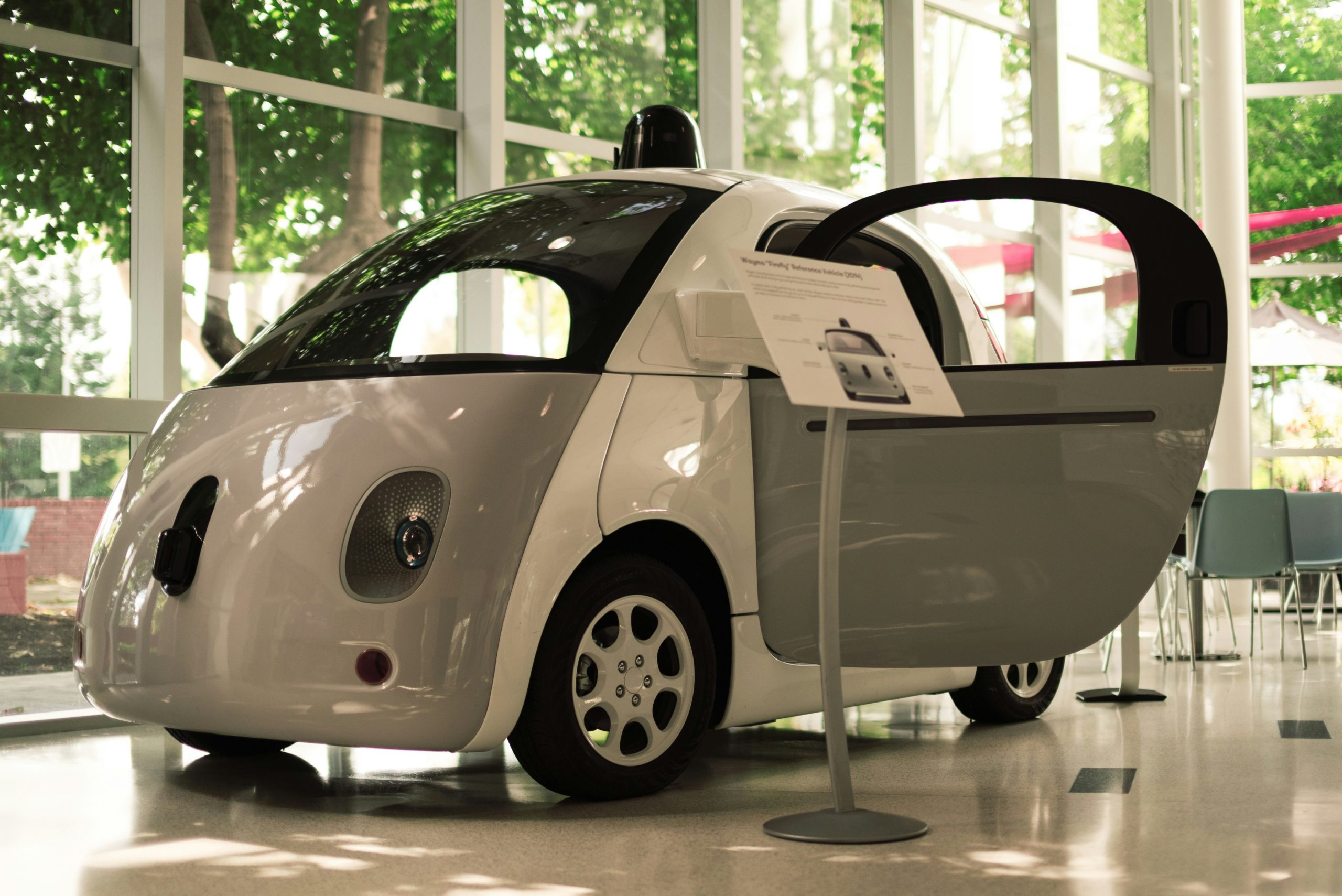
Las Vegas Metropolitan Police Department is investigating a crash involving a Zoox autonomous vehicle that occurred Friday morning, September 26, 2026, in the Las Vegas Valley. As of this reporting, details about the severity of the crash, whether any passengers were aboard the vehicle, whether other vehicles or pedestrians were involved, and the circumstances of the incident remain limited in public information. Metro responded to the scene. The investigation is active.
The timing is notable and uncomfortable. Zoox launched paid autonomous robotaxi service in Las Vegas on August 11, becoming the first company in history to receive NHTSA approval to charge passengers for rides in purpose-built autonomous vehicles with no steering wheels and no pedals. That was six weeks ago. The June 20 fire scene incident, in which an unoccupied Zoox vehicle drove into a fire area before being remotely guided out, triggered a voluntary recall of the company’s entire 105-vehicle Las Vegas fleet and a software update before the paid launch proceeded.
The question that hangs over every autonomous vehicle incident isn’t simply what happened. It’s what the incident means for the broader project of deploying driverless cars on public roads that other people share without opting into the experience.
What We Know, What We Don’t
The Las Vegas Review-Journal’s local news feed flagged the crash Friday morning, noting Metro police were responding to a crash involving a Zoox vehicle. That’s the extent of confirmed information as of this reporting.
What’s not yet known: was the Zoox vehicle at fault, or was another driver or road condition the primary factor? Were there passengers in the Zoox vehicle? Were there injuries to anyone? What was the vehicle doing at the time of the crash, transporting a paying customer, traveling to a pickup location, or operating in a different mode? What road segment and conditions were involved?
Those details will emerge through Metro’s investigation, any NHTSA reporting requirements Zoox must fulfill, and the company’s own incident investigation. The National Highway Traffic Safety Administration’s Automated Vehicle Exemption Program, under which Zoox operates, includes mandatory reporting requirements for incidents that NHTSA defines as potentially safety-relevant. The June 20 fire scene incident triggered that reporting process. Whether Friday’s crash triggers similar requirements depends on its specific characteristics.
Zoox has not, as of this writing, issued a public statement about the incident. That’s not unusual in the immediate aftermath of a police investigation, but it will matter how quickly and how transparently the company communicates once the basic facts are established.
The Incident Pattern and What It Actually Shows
Zoox has accumulated three million miles of Las Vegas driving across its fleet. The fire scene incident in June was the highest-profile operational failure before the paid launch. Friday’s crash is the first publicly known incident since paid rides began.
Every autonomous vehicle incident carries disproportionate attention relative to equivalent incidents involving human drivers. A human driver who causes a fender bender in Las Vegas on a Friday morning is not news. A Zoox vehicle involved in a crash the same morning is national news, immediately. That asymmetry reflects the public’s reasonable concern about technology that is being asked to make life-and-death decisions in real traffic, but it also creates a distorted comparison framework.
Humans cause roughly 6 million traffic accidents annually in the United States. The fatality rate is approximately 1.35 deaths per 100 million vehicle miles traveled. Zoox’s three million miles without a publicly reported injury-producing incident before Friday represents a safety record that, if maintained at scale, would compare favorably to human driving statistics. Whether that comparison holds over a larger fleet, longer time period, and more diverse operating conditions is the question that only continued operation can answer.
CEO Aicha Evans said publicly in August, when launching paid service, that autonomous vehicles need to be regulated and that edge cases happen. She positioned the fire scene incident and the subsequent software fix as evidence of the incident response process working as intended: identify the problem, develop a targeted fix, improve the system, continue operating.
Whether Friday’s crash fits that framework, whether it represents a known risk that the system should have managed or a genuinely novel edge case that requires investigation and response, will determine how the company and regulators treat it.
NHTSA’s Role and What Regulation Actually Requires
Zoox operates under a temporary NHTSA exemption covering up to 2,500 purpose-built autonomous vehicles annually for two years, specifically for vehicles without steering wheels or pedals that don’t comply with Federal Motor Vehicle Safety Standards. That exemption comes with mandatory incident reporting requirements designed to give regulators visibility into how the technology performs in real-world conditions.
NHTSA Administrator Jonathan Morrison’s statement following the fire scene incident was explicit: an autonomous vehicle that cannot safely interact with emergency scenarios is a danger to the public. That framing established a principle the agency will apply to future incidents: the question isn’t just whether the vehicle was in compliance but whether its behavior demonstrated the safety performance that public roads require.
If Friday’s crash was caused by the Zoox system failing to handle a traffic condition it should have managed, that’s a qualitatively different situation than if a human driver in another vehicle was at fault and the Zoox vehicle responded correctly. The first situation raises questions about whether the technology is ready for the environments where it’s operating. The second situation is simply traffic, happening as it always does, with one of the vehicles being autonomous.
The investigation’s outcome will influence that determination. NHTSA’s review, if triggered, will generate an assessment that becomes part of the growing record on autonomous vehicle safety that the agency uses to evaluate whether operating conditions, fleet sizes, and geographic coverage should be expanded, maintained, or restricted.
The Las Vegas Laboratory
Las Vegas is where Zoox chose to launch paid service first. It’s where Waymo has been preparing its own operations. It’s where the autonomous vehicle story is being written in real time, on public roads, with real consequences.
The city’s choice of Las Vegas as the proving ground reflects genuine strategic logic: high pedestrian density, diverse traffic conditions, predictable weather, a market where transportation alternatives to personal vehicle ownership create commercial demand, and a regulatory environment where local and state officials have shown willingness to engage with autonomous vehicle deployment.
It also means that every Zoox incident in Las Vegas becomes part of a highly visible public record that shapes perceptions of autonomous vehicle technology nationally and internationally. The fire scene incident in June became international news. Friday’s crash will generate coverage proportionate to what the investigation reveals. A minor fender bender with no injuries and a human driver at fault will disappear from the news cycle quickly. Anything involving system failure, injury, or ambiguous causation will sustain coverage that affects the broader industry’s regulatory environment.
Zoox knew this when it chose Las Vegas. It launched paid service here anyway, because the operational data, the commercial opportunity, and the strategic first-mover advantage were worth the visibility risk. Six weeks into paid operations, the visibility is running in both directions.
What Comes Next
Metro’s investigation will produce an initial assessment. If NHTSA reporting requirements are triggered, the agency will receive that information and determine whether to open a formal review. Zoox will conduct its own internal investigation. The company will eventually make a public statement, either proactively or in response to media inquiries.
The most important question for the paid service’s future isn’t what happened in this specific incident. It’s what Zoox does next. The fire scene incident established the template: transparent investigation, targeted software response, demonstrated willingness to address identified failure modes before returning to full operation.
If Friday’s crash fits that template, the company applies it and continues. If the investigation reveals something more systemic, the response will need to be correspondingly more substantial.
The 65 vehicles currently deployed in Las Vegas will continue operating unless Metro, NHTSA, or Zoox itself determines otherwise. The passengers who will get into those vehicles today and tomorrow are making individual risk assessments that the companies and regulators are supposed to inform with honest information.
As of this morning, Las Vegas has a Zoox crash under investigation and a paid robotaxi service that has been operating for six weeks. The rest of the information will arrive with the investigation.
Key Insights
The asymmetric media coverage that autonomous vehicle incidents receive relative to equivalent human-driver incidents creates a distorted comparison framework that doesn’t accurately represent relative safety performance, but reflects legitimate public concern about technology making safety-relevant decisions that affects non-consenting road users.
Zoox’s established incident response template from the June 20 fire scene, transparent reporting, targeted software remediation, and return to service after demonstrated fix, creates an accountability standard the company will be measured against in handling Friday’s crash, regardless of the incident’s cause.
NHTSA’s mandatory incident reporting requirements under the Autonomous Vehicle Exemption Program are designed to give regulators the real-world performance data needed to make ongoing decisions about whether operating conditions should expand, remain stable, or contract, making every reported Zoox incident a contribution to the regulatory record rather than an isolated event.
Las Vegas’s role as the primary public proving ground for autonomous vehicle paid service means that incidents occurring here generate national and international coverage that shapes the industry’s regulatory environment far beyond Nevada, creating a visibility dynamic that Zoox accepted when it chose this market for its first commercial deployment.
Sources
FOX5 Vegas Zoox Crash Report
Las Vegas Review-Journal Local News
FOX5 Vegas Zoox Fire Scene Recall
Benzinga Paid Launch Analysis
Las Vegas Review-Journal CEO Backs Regulation