



The lights dimmed at the Las Vegas Convention Center on January 9, 2026, marking the end of another groundbreaking Consumer Electronics Show. Over four days, more than 140,000 attendees from across the globe converged on Sin City to witness what many are calling the most transformative tech showcase in the event’s 58-year history.
This wasn’t just another trade show. CES 2026 represented a fundamental shift in how we think about technology’s role in daily life, with artificial intelligence no longer playing a supporting role but taking center stage as the main attraction.
The AI Revolution Takes Physical Form
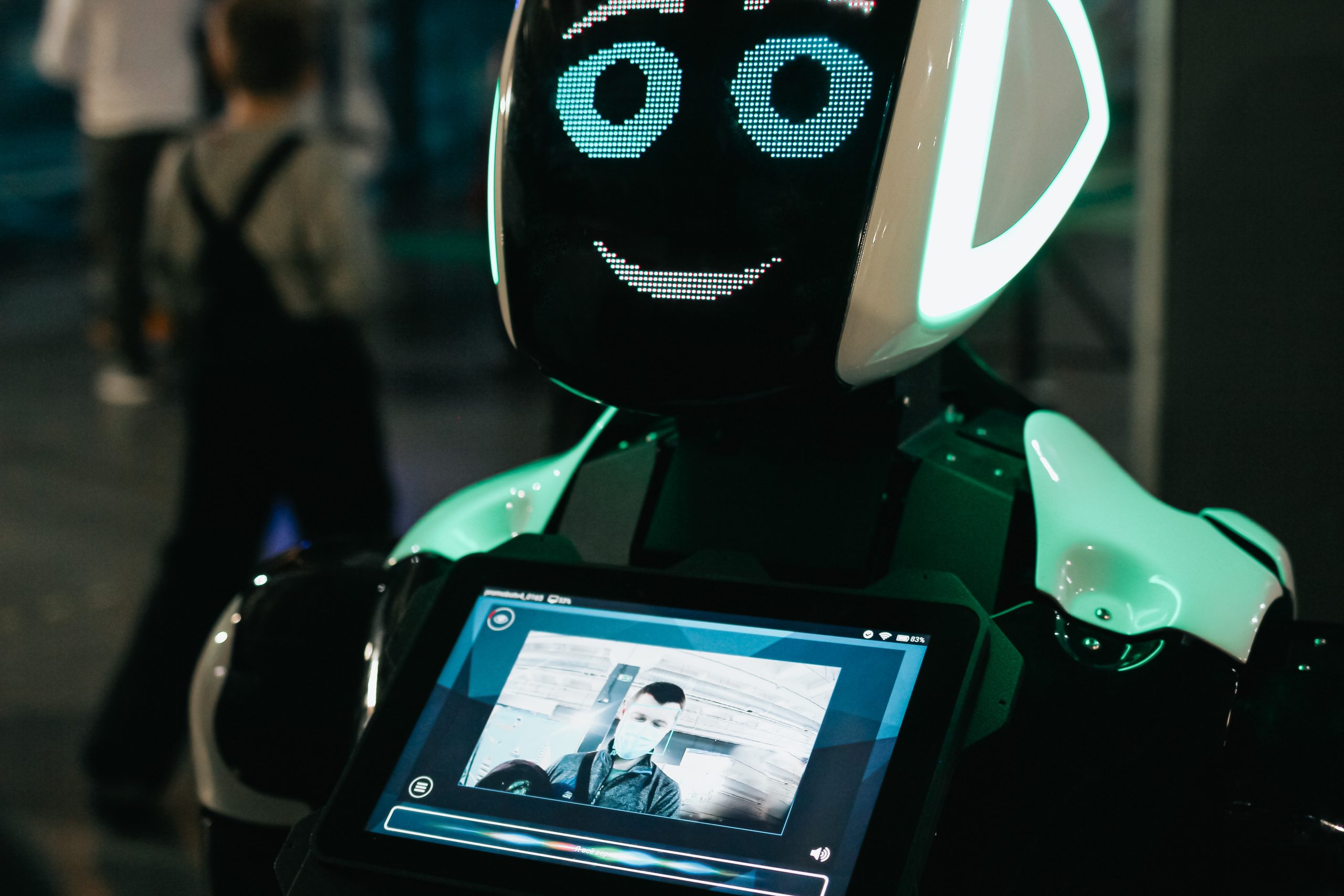
Walking through the sprawling exhibition halls, you couldn’t escape the buzz around “physical AI,” a term that dominated conversations from the keynote speeches to the show floor demonstrations. Unlike previous years where AI felt abstract and intangible, this year’s CES brought the technology into the real world through robots, vehicles, and smart devices that can see, think, and act autonomously.
South Korean tech giants led the charge. LG Electronics’ LG NOVA booth became one of the event’s most crowded attractions, with visitors waiting up to 45 minutes to experience AI-driven innovations that promised to revolutionize everything from home appliances to urban mobility. The company’s theme, “leading AI-based innovation,” wasn’t just marketing speak. It was a statement of intent.
The real eye-opener came from Hong Kong’s delegation, which showcased Widemount Dynamics Tech’s AI-driven smart firefighting robot. The device earned CES’s coveted 2026 Best of Innovation award, demonstrating how artificial intelligence is moving beyond consumer convenience into life-saving applications. These robots can navigate burning buildings, detect heat signatures, and make split-second decisions that would challenge even the most experienced firefighters.
Beyond the Spectacle: What Actually Matters
Tech journalists love to focus on the flashy and the weird at CES. This year delivered both in spades. From climbing vacuum cleaners that scale walls to cyber pets designed to combat loneliness, the show floor offered no shortage of attention-grabbing gadgets. But the real story lies in the less glamorous innovations that will actually reshape our lives.
Take bendable screens and paper-thin televisions. While they make for great photo opportunities, their implications run deeper than aesthetics. These displays represent breakthroughs in materials science that will enable entirely new form factors for devices we haven’t even imagined yet. A television that rolls up like a poster isn’t just cool; it fundamentally changes how we think about space in our homes.
The automotive sector commanded significant attention, with cars that can learn and adapt to individual driving preferences making a strong showing. But here’s the thing worth noting: these aren’t concept vehicles destined to gather dust in a museum. Major manufacturers are promising production models within 18 months.
The Las Vegas Effect
CES organizers chose Las Vegas decades ago, and that decision looks smarter every year. The city’s infrastructure can handle massive influxes of visitors, its 24-hour culture accommodates global time zones, and its reputation for entertainment makes the show feel less like work and more like an experience.
This year’s event generated an estimated $291 million in economic impact for the Las Vegas economy, according to preliminary figures from the Las Vegas Convention and Visitors Authority. Hotels were booked solid, restaurants saw record reservations, and rideshare drivers pulled in their best week of the year.
But the benefits extend beyond immediate spending. Tech companies increasingly see Las Vegas as a testing ground for new products. Zoox chose the city for its autonomous robotaxi launch. Numerous AI startups maintain operations here. The talent pipeline from UNLV’s growing computer science program feeds directly into these ventures.
What This Means for Business Leaders
If you’re running a company and didn’t attend CES 2026, you missed more than just product announcements. You missed the conversation about where technology is heading and how quickly it’s getting there.
Three key takeaways deserve attention. First, AI integration is no longer optional. Companies across every sector, from hospitality to manufacturing, need strategies for incorporating intelligent systems into their operations. Second, the timeline for technology adoption continues to compress. What seemed like science fiction at CES 2024 became available products at CES 2026. Third, consumer expectations are evolving faster than many businesses realize. People now expect their devices to anticipate their needs, not just respond to commands.
The Korean companies at CES 2026 posed three critical questions that every business should be asking: What industry’s future are we describing? How does AI fit into our core mission? And are we moving fast enough?
Looking Ahead
CES 2027 is already scheduled for January 6-9 in Las Vegas. Registration will open later this year. If the trend continues, next year’s show will be even larger, even more ambitious, and even more essential for anyone trying to stay ahead of technological change.
The technology demonstrated this year won’t take a decade to reach market. Much of it will be available by the end of 2026. The real question isn’t whether these innovations will transform industries and daily life. They will. The question is whether your business will lead that transformation or scramble to catch up.
Key Insights
Physical AI emerged as the dominant theme, moving artificial intelligence from abstract concepts into tangible robots and devices that can perceive and interact with the real world.
South Korean and Hong Kong tech companies demonstrated that innovation leadership is no longer confined to Silicon Valley, with award-winning products that addressed real-world challenges.
The 18-month timeline from concept to production represents a significant acceleration in technology development cycles, requiring businesses to adapt faster than ever before.
The Las Vegas location continues to prove strategic, offering infrastructure, culture, and an economic ecosystem that makes it ideal for showcasing and testing emerging technologies.
Sources
CES Official Website
TechCrunch CES 2026 Coverage
Gizmodo CES 2026 Awards
AJU Press CES Coverage
China Daily Hong Kong Delegation