

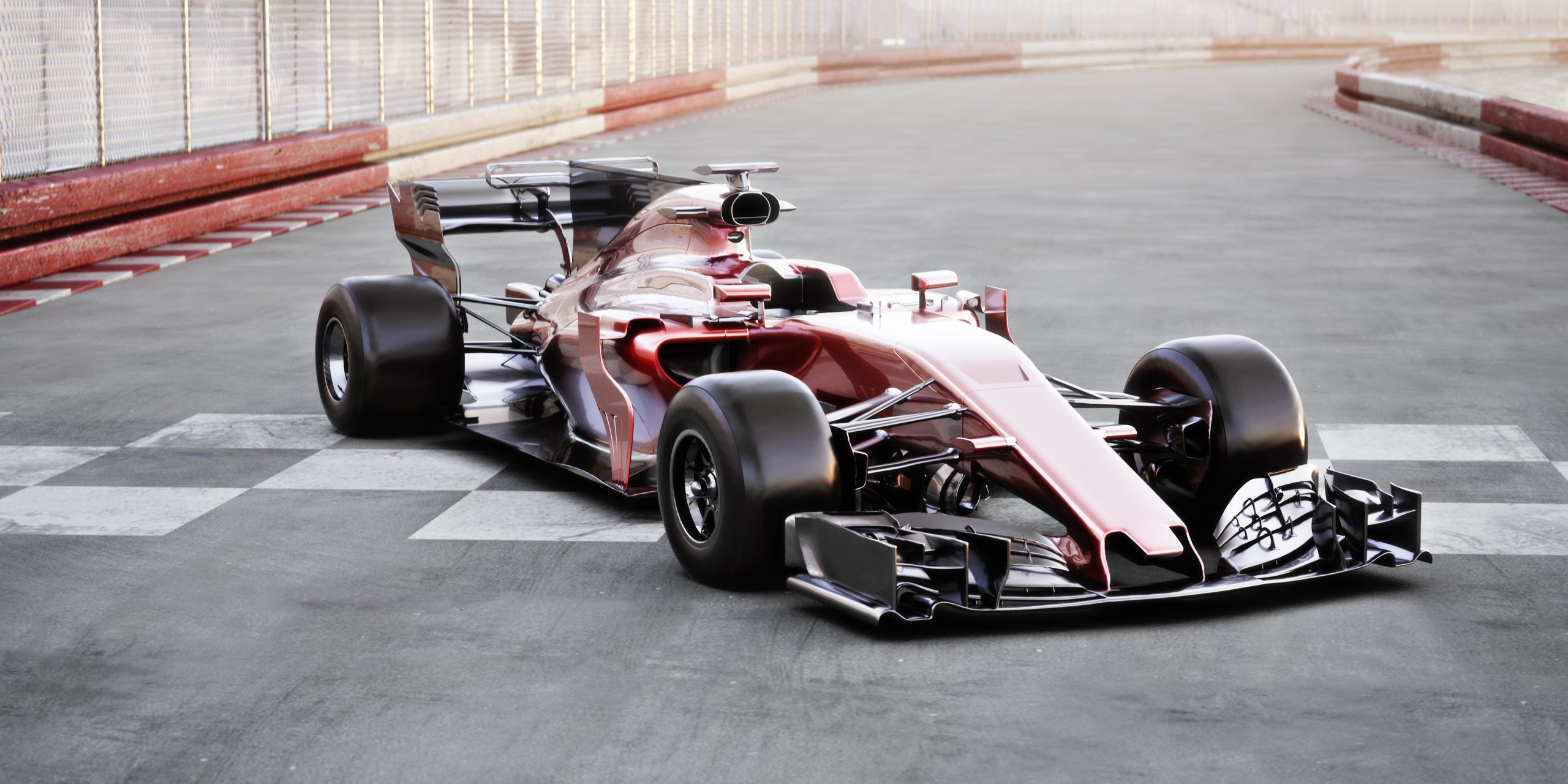
The roar of engines echoed down the Las Vegas Strip on a Saturday night in November 2025 as Formula 1 cars screamed past the Bellagio fountains at speeds rivaling Monza, the sport’s famed Temple of Speed. Max Verstappen dominated the race, leading all 50 laps. But the real winner was Las Vegas itself.
The 2025 Formula 1 Heineken Las Vegas Grand Prix drew 306,000 attendees over three days and generated an estimated $934 million in economic impact, according to Applied Analysis. More importantly, it demonstrated that Las Vegas could successfully execute a complex international sporting event during one of the slowest tourism weeks of the year, transforming a liability into an asset.
Now, with the 2026 race scheduled for November 19-21 and deposits already being accepted, Formula 1 has established itself as a cornerstone of Las Vegas’s evolving identity as a sports and entertainment capital. The journey from skeptical beginnings to enthusiastic embrace offers lessons about how destinations can create value through strategic event programming.
From Caesars Palace to the Strip: F1’s Vegas Evolution
Formula 1’s history in Las Vegas predates the current success. The city hosted races at Caesars Palace in 1981 and 1982, with the events serving as season finales. Alan Jones won the 1981 race for Williams, while Michele Alboreto took his maiden F1 victory for Tyrrell in 1982. Nelson Piquet and Keke Rosberg clinched championships with fifth-place finishes in those respective years.
But those races failed to capture lasting imagination. Held in a parking lot rather than on iconic streets, they lacked the spectacle that makes street circuits compelling. The races came and went without establishing Formula 1 as part of Las Vegas’s identity.
The modern Las Vegas Grand Prix operates on an entirely different scale. The 3.8-mile (6.2-kilometer) street circuit winds past Caesars Palace, the Bellagio, the Venetian, and other landmarks, literally racing through the heart of Las Vegas’s most famous avenue. With 17 turns and average speeds comparable to Monza, the circuit delivers both technical challenges for drivers and visual drama for spectators.
Most importantly, the race happens at night under the Strip’s famous lights. This Saturday evening timing creates a party atmosphere that matches Las Vegas’s personality while accommodating European television audiences with more favorable broadcast times than typical American races.
The Liberty Media Gamble
Formula 1’s parent company, Liberty Media, made an extraordinary commitment to Las Vegas. The organization spent $500 million acquiring 39 acres and constructing a three-story pit building and Grand Prix Plaza before the 2023 inaugural race. This investment far exceeded typical Formula 1 venue development, reflecting Liberty’s conviction that Las Vegas could become one of the sport’s premier destinations.
The gamble paid off. The 2023 inaugural race, despite some opening night hiccups with a manhole cover that damaged cars and delayed practice sessions, proved that Las Vegas could deliver the scale and spectacle Formula 1 demanded. The 2024 and 2025 races built on that foundation, with each year demonstrating operational improvements and growing attendance.
Liberty Media didn’t stop with race-week operations. Grand Prix Plaza now offers F1-themed attractions, a flagship retail store, and food and beverage options during non-race weeks. This year-round activation generates revenue beyond the race itself while maintaining Formula 1’s presence in the Las Vegas consciousness.
The third running of the race in 2025 drew a record-breaking 1.5 million American television viewers, a 68% increase over 2024. This viewership growth reflects both Formula 1’s rising popularity in the United States and the unique appeal of the Las Vegas venue. No other American Formula 1 race has matched the Las Vegas Grand Prix’s combination of urban spectacle and entertainment excess.
The Economics of Event Tourism
The Las Vegas Grand Prix’s economic impact extends far beyond gate receipts. The 175,000 unique visitors the race drew in 2024 spent money on hotels, restaurants, shows, casino gaming, and shopping. Many extended their stays beyond race week, further multiplying economic effects.
Applied Analysis estimated the 2024 race generated a $934 million economic impact. This figure includes direct spending by visitors and teams, indirect spending through supply chains, and induced spending as those dollars circulate through the local economy. For context, the entire National Finals Rodeo, a 10-day event running since 1987 with 379 consecutive sellouts, generates comparable economic impact despite having more event days.
The timing proves particularly valuable. The race occurs the weekend before Thanksgiving, historically one of the slowest tourism weeks in Las Vegas. Hotels struggle to fill rooms, restaurants see lighter traffic, and convention business disappears as companies avoid scheduling events during holiday weeks. Formula 1 transforms this weak period into one of the year’s strongest.
“Obviously we expect this to be a permanent race,” Las Vegas Convention and Visitors Authority President Steve Hill said when discussing the race’s future. “One thing that will not change as part of the race’s maturation is the week that it will occur, as it will continue to be held on the weekend before Thanksgiving.”
This strategic timing also provides scheduling flexibility. Unlike peak tourism periods when every hotel room already books at premium rates, the pre-Thanksgiving week means Formula 1 fills rooms that would otherwise sit empty. The incremental revenue and employment impact during a traditionally slow period justifies the public sector support and disruption the race requires.
Pricing Strategy and Market Segmentation
Formula 1 demonstrated sophisticated pricing and market segmentation from its inaugural year. The race offers everything from general admission standing zones to ultra-premium VIP packages costing tens of thousands of dollars. This range allows Formula 1 to capture value from the sport’s wealthiest fans while remaining accessible to more budget-conscious attendees.
Grandstand seating provides mid-tier options with guaranteed sightlines of specific track sections. Many positions offer views of the Sphere, creating a unique visual combination of motorsport and entertainment architecture. Corporate hospitality suites cater to businesses seeking client entertainment opportunities in a prestigious setting.
The tiered approach maximizes revenue while building attendance. Ultra-wealthy fans willing to pay premium prices for exclusive access generate significant per-capita spending. Mass-market fans in general admission areas create atmosphere and energy. The mix produces both financial success and vibrant event experience.
For 2026, Formula 1 is accepting deposits that guarantee best available pricing when tickets officially go on sale. This pre-sale approach creates urgency, secures early commitments, and provides Formula 1 with advance revenue and demand signals. The deposit structure (non-refundable but credited toward eventual ticket purchases) ensures serious interest while protecting against speculative reservations.
Beyond the Race: F1 Business Summit and Brand Partnerships
Formula 1 expanded the Las Vegas race into a broader business platform. The F1 Business Summit, held at Wynn Las Vegas during race week, brings together influential figures from sports, entertainment, and business. Formula 1 President and CEO Stefano Domenicali provides overviews of the sport’s commercial growth, technological innovation, and cultural impact.
These business programming elements serve multiple purposes. They attract executives who might not otherwise attend races, creating networking opportunities among decision-makers from diverse industries. They position Formula 1 as more than entertainment, emphasizing its role in driving technological advancement and global commerce. And they generate additional media coverage and prestige around the race week.
Brand partnerships amplify the event’s reach. Disney’s Mickey & Friends collaboration with Formula 1, launched in 2026 under the “Fuel the Magic” campaign, combines two globally recognized brands to reach new audiences. The partnership includes programming, merchandise, and experiential elements that appeal to families and Disney fans beyond traditional motorsport audiences.
These brand collaborations serve Formula 1’s broader strategy of expanding beyond traditional racing demographics. By partnering with Disney, Formula 1 accesses family audiences. Through fashion and luxury brand collaborations, it reaches style-conscious consumers. Music performances and entertainment programming attract younger demographics less engaged with traditional motorsport.
Infrastructure Integration: The Boring Company Connection
The Boring Company’s Vegas Loop plays an increasingly important role in Formula 1 logistics. The underground transportation system connects multiple Strip properties to the convention center and other venues, allowing efficient movement of thousands of people during race week.
For Formula 1, the Vegas Loop solves a challenge common to street circuits: how to move attendees between hotels and the track when surface streets are closed for racing. Traditional shuttles compete with traffic and create bottlenecks. The underground system provides grade-separated transportation that operates independently of surface disruption.
The system isn’t perfect. During the 2025 race, water management issues affected operations despite Southern Nevada’s desert climate. But the concept of underground transportation enabling large-scale surface events has proven sound. As the Vegas Loop expands to more destinations, its value for Formula 1 and other major events will increase.
This infrastructure symbiosis illustrates how different initiatives can reinforce each other. The Vegas Loop benefits from Formula 1’s concentrated demand during race weeks. Formula 1 benefits from transportation infrastructure that makes its street circuit more viable. Both benefit from Las Vegas’s willingness to invest in innovative solutions to logistical challenges.
Competition and Expansion: The 2026 F1 Landscape
The 2026 Formula 1 season brings significant changes beyond Las Vegas. The addition of Audi, Cadillac, and Ford as automobile brands expands the grid’s competitiveness. The debut of the Spanish Grand Prix adds another race to an already packed calendar. Las Vegas competes for attention and attendance with 23 other races worldwide.
This competition works in multiple directions. Las Vegas must maintain its distinctiveness to justify its place on the calendar. Other venues must differentiate themselves or risk losing relevance. Formula 1 itself must balance geographic diversity, competitive scheduling, and commercial opportunity while maintaining sporting integrity.
Las Vegas’s advantages in this competition include its unmatched entertainment infrastructure, the unique spectacle of racing down the Strip at night, and Liberty Media’s substantial invested capital creating alignment between the venue and the sport’s governing body. No other American race combines these elements.
However, risks exist. If American interest in Formula 1 plateaus or declines, supporting three American races (Austin, Miami, and Las Vegas) becomes harder to justify. International fans and media might push back against F1’s American expansion if they perceive it comes at the expense of traditional European venues. And operational challenges, if poorly managed, could tarnish Las Vegas’s reputation.
The Athletics Owner’s Interest
Athletics owner John Fisher’s attendance at the 2025 Las Vegas Grand Prix and subsequent comments about potential partnerships revealed Formula 1’s influence beyond motorsport. The new baseball stadium under construction at the former Tropicana site sits adjacent to Formula 1’s circuit, creating natural opportunities for collaboration.
The Athletics could host events during Formula 1 race week, capitalizing on the massive influx of visitors. Formula 1 could potentially utilize Athletics facilities for hospitality or entertainment programming. Both organizations could cross-promote to their respective audiences, introducing baseball fans to motorsport and vice versa.
This type of sports venue clustering creates network effects. Multiple major sporting attractions in proximity generate more total visitation than the sum of isolated events. Visitors attending one event discover others. Media coverage of one venue provides exposure for neighbors. Infrastructure improvements serving one facility benefit all.
Las Vegas is deliberately cultivating this clustering. Allegiant Stadium (NFL Raiders, UNLV football), T-Mobile Arena (NHL Golden Knights), the new Athletics stadium, and Formula 1’s street circuit create a sports corridor along the southern Strip. This concentration differentiates Las Vegas from competitors and positions the city as America’s sports and entertainment capital.
Key Takeaways
- The 2025 Formula 1 Las Vegas Grand Prix drew 306,000 attendees and generated $934 million in economic impact
- Liberty Media invested $500 million in land acquisition and infrastructure, demonstrating extraordinary commitment to the venue
- The race occurs the weekend before Thanksgiving, transforming historically slow tourism periods into peak demand
- American television viewership grew 68% from 2024 to 2025, reaching a record 1.5 million viewers
- The 2026 race is scheduled for November 19-21, with deposits currently being accepted
- Grand Prix Plaza provides year-round F1-themed attractions, generating revenue beyond race week
- The F1 Business Summit positions the race as a broader business platform beyond pure entertainment
Important Insights
Formula 1’s Las Vegas success demonstrates how major sporting events can transform destination economics when properly executed. The race doesn’t just generate revenue during race week; it reshapes perceptions of Las Vegas as a serious sports destination and provides programming during historically weak tourism periods.
Liberty Media’s willingness to invest $500 million directly in Las Vegas infrastructure represents a fundamentally different approach than traditional Formula 1 venue development. By taking ownership rather than simply licensing the Formula 1 brand to local organizers, Liberty aligned its interests with the race’s long-term success. This alignment shows in the quality of facilities and year-round programming.
The race’s timing during a traditionally slow tourism week illustrates sophisticated understanding of destination economics. Events that fill gaps in demand calendars provide more incremental value than those competing for attention during already-strong periods. This insight should inform how destinations evaluate potential major events.
The rapid growth in American television viewership (68% year-over-year increase) suggests Formula 1 is capturing broader audiences beyond traditional motorsport fans. The Las Vegas race, with its unique blend of sport and spectacle, likely drives this growth more effectively than races at purpose-built tracks. The entertainment value adds to racing value, creating a product greater than the sum of its parts.
The evolution from the failed Caesars Palace races of the 1980s to today’s successful street circuit shows how context and execution matter as much as the underlying sporting product. Formula 1 racing hasn’t fundamentally changed, but the presentation, infrastructure, and integration with the destination have improved dramatically.
The business programming and brand partnerships surrounding the race demonstrate Formula 1’s sophistication in monetizing beyond ticket sales. The F1 Business Summit creates value for a different audience than race attendees. Disney partnerships reach families who might not otherwise engage with motorsport. This multi-layered approach maximizes commercial opportunity.
For more information about the Las Vegas Grand Prix and ticket availability, visit F1 Las Vegas GP and Formula 1 Official Site.