

Before Maná played a single note at T-Mobile Arena on September 11, the crowd had already decided it was time to party.
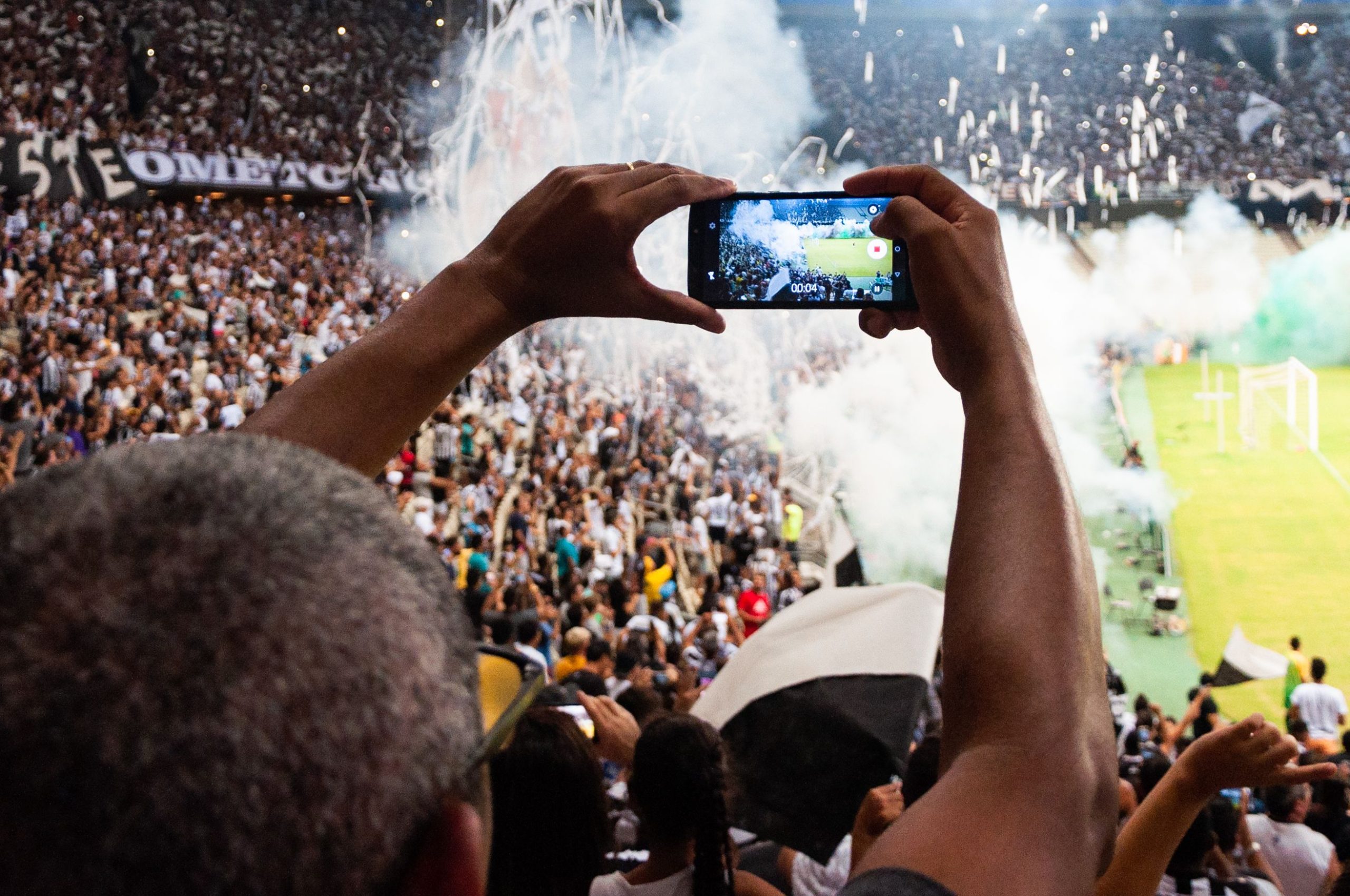
Giddy fans waiting in their seats turned the hold time into its own kind of fun, triggering a rippling wave of hands around the arena, singing along to Santana’s Oye Como Va playing overhead, and clinking their cups of beer and cocktails with fellow fans around them. There was a strong sense of familiarity and cultural pride that had already unified the thousands who came to the concert to revel in the sounds that have soundtracked different moments of their lives.
That is how the Las Vegas Weekly reviewed the night. The Vivir Sin Aire Tour’s Las Vegas stop was not simply a concert by a successful band. It was, as the review framed it, rock en español turned into a cross-generational celebration.
The September 11 date fell squarely on Mexican Independence Day weekend, the same cultural window that brought Carín León to Sphere for seven sold-out shows and Carin Lizárraga and Julio Preciado to T-Mobile Arena on September 13 for the El Chou tour. For one extended weekend, Las Vegas became something it had never quite been before: the undisputed center of Mexican and Latin music in North America, with world-class performances happening simultaneously at multiple venues across the city.
The Band and the Moment
Maná is one of the best-selling Spanish-language acts of all time, and in 2025 became the first Spanish-language act ever nominated for the Rock and Roll Hall of Fame.That nomination, which landed before the Vivir Sin Aire Tour launched, recontextualized the band’s touring within a larger cultural recognition narrative. A band that has sold over 45 million records worldwide across nearly four decades of recording was finally receiving the institutional validation that its commercial achievement had long justified.
The Vivir Sin Aire Tour setlist that played T-Mobile Arena on September 11 is a document of how thoroughly Maná’s catalog has penetrated American cultural life for Spanish-speaking audiences. Oye Mi Amor, Rayando el Sol, De Pies a Cabeza, Bendita Tu Luz, Amor Clandestino, Me Vale, Clavado en un Bar, Corazón Espinado with Santana, Clavado en un Bar, Labios Compartidos, Vivir Sin Aire, En el Muelle de San Blás, Mariposa Traicionera.Each of those songs is an anthem for a specific generation or a specific emotional experience shared across the community that fills arenas to hear them.
The Guadalajara-born quartet has been making this music since the late 1970s. The fans who were in T-Mobile Arena on September 11 span the full generational range that four decades of recording creates: parents who remember Maná from their teenage years in Mexico bringing children who discovered them through their parents’ playlists, alongside grandparents who remember when the music was new. The rippling wave of hands in the seats before the show began captured that multigenerational unity physically.
T-Mobile Arena and the Rock en Español Position
T-Mobile Arena, which opened in April 2016 as the home of the Vegas Golden Knights and has since established itself as one of the most active concert venues in North America, has hosted its share of Latin acts across its decade of operation. But Maná’s September 11 date represents something qualitatively different from a touring act passing through Las Vegas. It is a landmark performance by an act whose significance to the Spanish-language music world is comparable to what the Rolling Stones represent in the English-language rock world.
The timing on Mexican Independence Day weekend compounds that significance. A fan base that was already emotionally primed for cultural celebration found the Maná show landing at exactly the moment when that celebration was at its highest pitch. The arena did not need warming up. It arrived warm.
(cite index=”181-1″>This show is during Mexican Independence Day weekend. The collective energy of 20,000 fans singing Rayando el Sol makes the Las Vegas Strip feel like the center of the world.</cite)
The economic dimension matters too. T-Mobile Arena’s capacity of roughly 20,000 generates substantial per-show economic activity for the surrounding Park MGM and New York-New York corridor. A Mexican Independence Day weekend Maná show draws from the same Southern California, Arizona, and Texas markets that have historically made Las Vegas the premier destination for Latin entertainment events. These visitors book hotel nights, eat at Strip restaurants, and extend their stays in patterns that multiply the concert’s direct ticket revenue impact across the full Las Vegas hospitality economy.
The Rock and Roll Hall of Fame Context
Maná’s 2025 Rock and Roll Hall of Fame nomination, the first ever for a Spanish-language act, deserves extended attention as context for understanding what the Vivir Sin Aire Tour represents commercially and culturally.
The Rock and Roll Hall of Fame’s nomination criteria and selection process has historically reflected the biases of American rock music’s Anglo-dominant critical establishment. Spanish-language acts have produced music that in any objective assessment of commercial reach, cultural influence, and artistic quality would qualify multiple acts for consideration. The nomination of Maná in 2025, regardless of whether it ultimately resulted in induction, signaled a recognition that the Hall’s mandate to honor rock and roll’s most significant contributors cannot ignore a Spanish-language tradition that has operated in parallel with English-language rock for decades.
For the fans who filled T-Mobile Arena on September 11, that nomination carried weight beyond the ceremony itself. It was institutional acknowledgment that the music they have loved and lived with for decades deserves the same recognition and reverence that the English-language acts in Springfield, Ohio, receive. The Vivir Sin Aire Tour arrived in that cultural context, which gave every song performed a dimension of vindication alongside the more immediate pleasures of hearing it live.
The September Latin Music Convergence
The Las Vegas Weekly’s fall arts and entertainment guide, published today, frames September as the beginning of the city’s can’t-miss cultural calendar. Within the narrow window of Mexican Independence Day weekend alone, Las Vegas hosted Maná at T-Mobile Arena on September 11, Carin León at Sphere across September 4-13, and the Chuy Lizárraga and Julio Preciado El Chou tour at T-Mobile Arena on September 13.
Three world-class Latin music events within ten days at major Strip venues represents a concentration of Spanish-language entertainment that Las Vegas has never previously programmed at this density. It is not coincidental. It reflects both the city’s growing recognition of what the Latin music market can generate in economic and cultural terms, and the touring industry’s increasing confidence that Las Vegas can absorb multiple simultaneous Latin acts without cannibalizing each other’s attendance.
The audiences for Maná, Carín León, and Chuy Lizárraga and Julio Preciado overlap but are not identical. Maná’s rock en español fanbase includes people who may not be regular regional Mexican music listeners. León’s música mexicana audience includes people whose Spanish-language rock connection runs through different artists. The concentration works because Las Vegas’s tourist base supplements the local Latin audience with visitors from Southern California, Arizona, and Texas who travel specifically for these shows and have the capacity to attend multiple events if the timing aligns.
What Comes Next
The Vivir Sin Aire Tour continues after Las Vegas, rolling to Phoenix on September 12 and then across additional U.S. dates through November. For Las Vegas specifically, the September 11 show leaves behind the kind of impression that generates future bookings. An arena-scale Latin rock event that turns T-Mobile Arena into a cultural celebration, reviewed warmly by local media, and timed to the city’s most significant Latin cultural weekend, tells venue bookers, promoters, and tour managers something clear: Las Vegas is a market where this works at full scale.
The next Maná Las Vegas date, whenever it comes, will be easier to justify commercially because September 11, 2026 demonstrated the demand.
Key Takeaways
Maná’s Vivir Sin Aire Tour stop at T-Mobile Arena on September 11, 2026, landed during Mexican Independence Day weekend as one of three simultaneous major Latin music events across Las Vegas venues, turning the city into the undisputed center of Spanish-language music in North America for an extended weekend.
(cite index=”178-1″>The cross-generational cultural pride that unified 20,000 fans before the band played a single note reflects Maná’s specific status