

The Cross-Generational Crowd
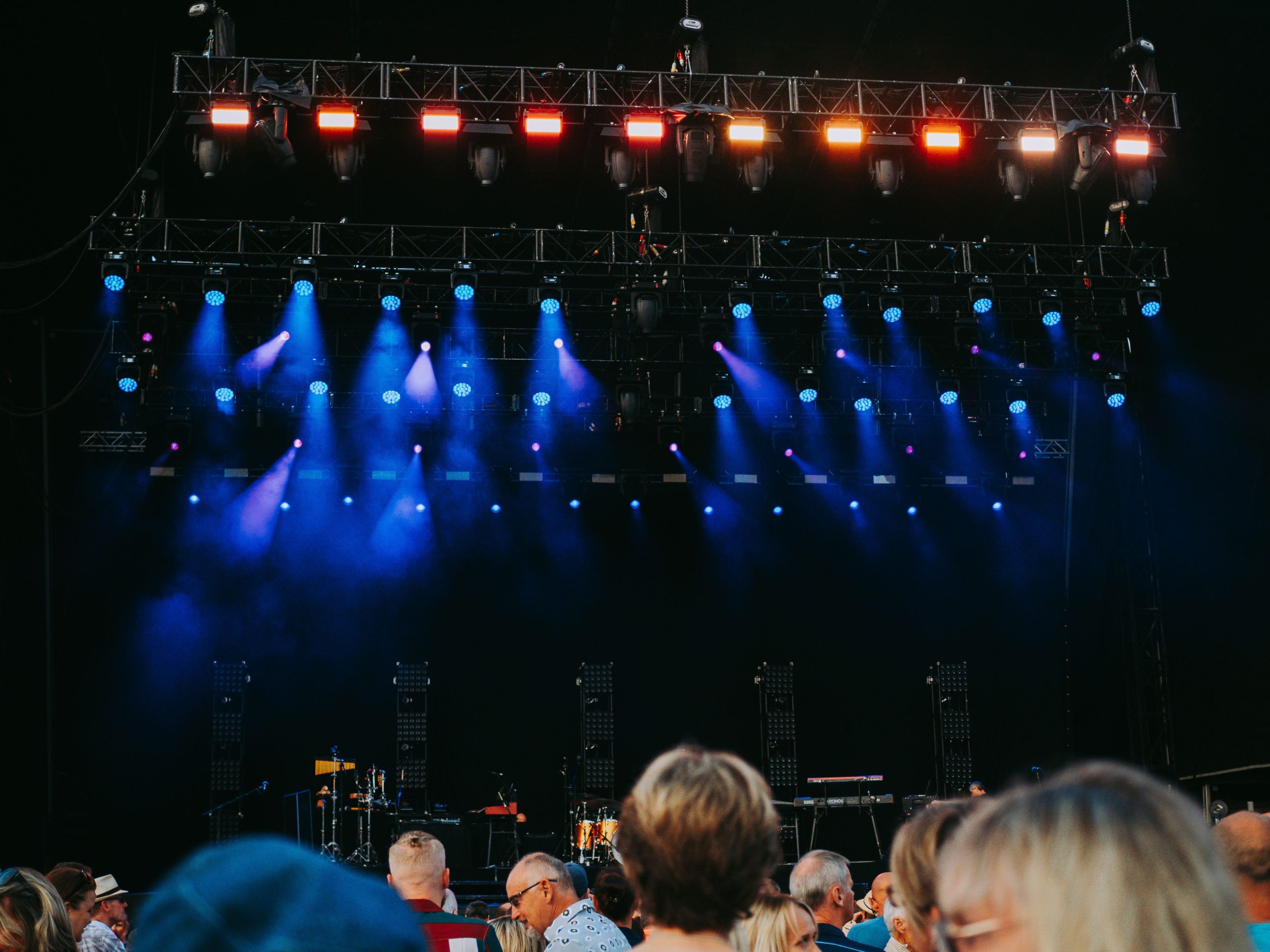
When Maná took the T-Mobile Arena stage this week on the Vivir Sin Aire tour, the audience told its own story. Maná’s Las Vegas stop turned T-Mobile Arena into a cross-generational celebration of cultural pride, drawing fans who discovered the band in the 1990s alongside fans who found them through their parents’ playlists and streaming recommendations decades later. Mexican American families attended together across three and four generations. College students who grew up in Las Vegas’s large Latino community were in the same arena as their parents, who were in the same arena as grandparents who bought Fijate Bien on cassette.
That kind of multi-generational attendance pattern doesn’t happen by accident or by nostalgia alone. It happens when a band has made music that accrues cultural weight over time rather than cycling through popularity and obsolescence. Maná, the Guadalajara-born rock group that has been recording and touring since the mid-1980s, represents the clearest case in Latin rock music of a band that has grown into institutional status rather than aging out of it.
Las Vegas is one of the places where that institutional status is most vividly demonstrated. The city’s Latino population, particularly its Mexican American community, is among the largest in any major American metropolitan area. Las Vegas has consistently been a top market for Spanish-language media, Latin music concerts, and cultural events that serve a population deeply connected to Mexican cultural identity even while building lives in an American desert city.
What the Vivir Sin Aire Tour Is
The Vivir Sin Aire tour is Maná’s current major touring cycle, named after one of the band’s most recognized songs and structured around a catalog retrospective that spans four decades of music rather than a single album or era. Tours of this construction, in which an established artist performs across their entire history rather than promoting recent material, represent a specific genre of live event that serves audiences differently from new album touring.
Fans who attend a catalog-spanning Maná show know what they’re getting. They will hear Oye Mi Amor. They will hear Mariposa Traicionera. They will hear Rayando el Sol. The uncertainty isn’t about setlist content but about the experience of hearing songs that carry decades of personal memory performed live, in a room full of other people for whom those songs carry similar weight. That experience is fundamentally communal in a way that new album touring, where audience familiarity is partial and recent, cannot replicate.
T-Mobile Arena’s 20,000-seat capacity is appropriate for Maná’s Las Vegas demand. The band could not fill Allegiant Stadium’s 65,000 seats as reliably as Oasis will. But T-Mobile is not a step down from the band’s appropriate scale. It’s the right venue for a market that generates genuine but bounded demand for a specific category of Spanish-language rock that has broad appeal within the Latino community and more limited crossover outside it.
The Las Vegas Latin Music Market
Las Vegas’s Latino population is approximately 34% of the metropolitan area’s total population, with the Mexican American community representing the largest subgroup. That demographic reality creates a Latin music market that is substantially larger relative to total population than in most comparable American cities.
The market’s maturity is visible in the programming decisions that major venues make. T-Mobile Arena, Michelob Ultra Arena, and the House of Blues routinely book Spanish-language artists at scale that reflects the demand rather than treating Latin music as a niche programming category. Reggaeton, banda, norteño, and rock en español all have dedicated audiences that fill venues at price points that make the bookings commercially viable.
Maná occupies a specific position in this market as the crossover act that spans the generational and taste divisions that usually separate Latin music audiences. Fans who don’t listen to contemporary reggaeton know Maná. Fans who grew up on traditional banda music know Maná. The band exists in a place of cultural consensus that transcends the genre fragmentation that characterizes most Latin music markets.
This consensus status also makes Maná a reliable revenue generator for venues that book them, which is why the Vivir Sin Aire tour stop in Las Vegas is at T-Mobile Arena rather than a smaller venue that might be safer for a less established act. Maná fills 20,000 seats in Las Vegas because four decades of music and cultural presence have built a demand floor that doesn’t require perfect current relevance to sustain.
The Cultural Significance for Las Vegas’s Mexican American Community
Concerts by established Latin artists in Las Vegas carry cultural weight that transcends their entertainment function. For a community that has built significant presence in the city across several generations, seeing a band like Maná perform at a top venue in a city they call home is an assertion of belonging that the entertainment industry’s typical programming choices don’t always provide.
Las Vegas’s hospitality and casino industries were built substantially by Mexican American labor, and the workforce that maintains the Strip’s operations has included large numbers of Mexican American workers across every decade of the city’s modern development. The neighborhoods north and east of the Strip, the communities of North Las Vegas and the Eastside that we’ve written about in other contexts including the Broadacres Marketplace story, are home to generations of Mexican American families whose economic relationship to the city is complex and deep.
When Maná comes to T-Mobile Arena and draws a cross-generational crowd of Mexican American Las Vegas residents, it represents those residents claiming space in the city’s premier entertainment venues in a way that casino floors and hospitality service roles don’t. The experience of being a customer at a world-class venue rather than an employee of one matters for community identity in ways that cultural observers often undercount.
The Rock en Español Lineage
Maná’s significance within the rock en español movement extends beyond their own catalog. The band was instrumental in establishing that rock music performed in Spanish could achieve genuine commercial scale, not just in Latin America but in the United States, where Spanish-language music had historically been confined to specific genres rather than rock formats.
Their success in the 1990s provided a commercial proof of concept that subsequent rock en español acts could reference. The genre produced other successful acts, but Maná’s longevity, four decades of active recording and touring, makes them the senior institution of a musical tradition that they helped create.
Performing that tradition at T-Mobile Arena in Las Vegas, a city that exists at the intersection of American mainstream culture and the largest Spanish-speaking diaspora in the United States, is appropriately symbolic. Las Vegas is where American popular culture and Latin American cultural identity have been in conversation, sometimes uncomfortable, sometimes celebratory, for the entire modern history of both.
A Maná concert at T-Mobile Arena is one of the celebratory versions of that conversation.
Las Vegas as a Latin Music Hub
The Vivir Sin Aire tour stop fits into a broader Las Vegas programming pattern that has been intentionally developing the city as a destination for Latin music at scale. Reggaeton’s biggest acts perform regularly at Allegiant Stadium and T-Mobile Arena. Banda and norteño artists fill the smaller venues in North Las Vegas and the Eastside neighborhoods. Latin festivals draw attendance comparable to the city’s other cultural events.
The LVCVA’s international marketing increasingly acknowledges that Latin American tourism, particularly from Mexico, is a major driver that operates somewhat independently from the North American leisure travel market that traditionally dominates Las Vegas visitor statistics. Mexican visitors are consistent, high-spending, and culturally connected to the city’s large Mexican American community in ways that create support networks that make Las Vegas feel familiar rather than foreign.
Maná performing in Las Vegas on the Vivir Sin Aire tour is both a product of this market’s maturity and a contributor to it. The show creates content and cultural visibility that reinforces Las Vegas’s identity within the Latin music world as a city where major Spanish-language acts perform regularly, at scale, for audiences that are there because they live there rather than just because they’re tourists.
Notes for Stakeholders
Maná’s Las Vegas stop offers insights for anyone working in live entertainment programming, cultural tourism, or demographic-based market development:
Cross-generational catalog acts generate demand floor stability that new-album touring cannot replicate. Maná’s T-Mobile Arena booking doesn’t require current radio dominance because four decades of accumulated audience investment sustains demand independent of recent commercial performance.
Majority-minority demographic markets require programming strategies that treat the majority population’s cultural preferences as primary rather than supplementary. Las Vegas’s 34% Latino population makes Latin music programming at scale commercially rational rather than culturally generous.
Cultural belonging assertions through entertainment experiences are economically valuable for tourism markets. When Latino Las Vegas residents attend Maná at T-Mobile Arena as customers rather than employees, the experience generates spending and community investment in the city’s entertainment ecosystem.
Rock en español’s institutional acts serve as crossover programming that spans genre divisions within Latin music audiences. Maná’s multi-genre appeal within the Latin community creates demand that individual genre-specific acts cannot match.
Latin tourism from Mexico operates on different dynamics than North American leisure travel and responds to cultural signals, including major Latin act performances, that LVCVA marketing toward Mexican visitors should actively incorporate.
The Crowd That Tells the Story
The cross-generational crowd at T-Mobile Arena this week is Las Vegas’s Latin music market made visible. Grandparents who were young adults when Maná recorded their first albums in the 1980s. Parents who grew up with the songs in their households. College students discovering them through streaming and family dinner playlists. All of them in the same building, singing the same words, in Spanish, in a city that is theirs as much as it is anyone’s.
That’s not just a concert. That’s a city’s population claiming its relationship to a culture, and a venue, and a night, that belongs to them.
Key Takeaways:
- Maná performed at T-Mobile Arena this week on the Vivir Sin Aire tour, drawing a cross-generational Mexican American crowd that spanned families across three and four generations attending together
- Las Vegas’s metropolitan area is approximately 34% Latino with the Mexican American community as the largest subgroup, creating one of the most substantial Latin music markets in any major American city
- The Vivir Sin Aire tour is structured as a catalog retrospective spanning four decades of Maná’s music rather than a new album promotional cycle, generating demand that doesn’t require current radio relevance
- Maná occupies a consensus cultural position within the Latin music market that spans genre divisions, drawing fans of rock, banda, norteño, and general Latin pop who share familiarity with the band across different musical preferences
- Las Vegas’s major venues including T-Mobile Arena, Michelob Ultra Arena, and House of Blues regularly book Spanish-language artists at scale that reflects the genuine size of the local Latin music market
- The Mexican American community in Las Vegas built significant presence through multi-generational labor in the hospitality industry; Maná concerts represent that community claiming space as customers in premier entertainment venues
- Rock en español as a genre was substantially shaped by Maná’s commercial success in the 1990s, making their continued touring at major venues an assertion of the genre’s institutional standing
- Latin tourism from Mexico responds to cultural signals including major Latin act performances, creating LVCVA marketing opportunities that treat Mexican tourism as a distinct and valuable market segment
- The cross-generational demand pattern that Maná generates is the defining characteristic of catalog acts that have achieved institutional status rather than genre-specific popularity
- Las Vegas’s position at the intersection of American mainstream culture and the United States’ largest Spanish-speaking diaspora makes it a natural and important market for the kind of cultural celebration that a Maná concert represents