



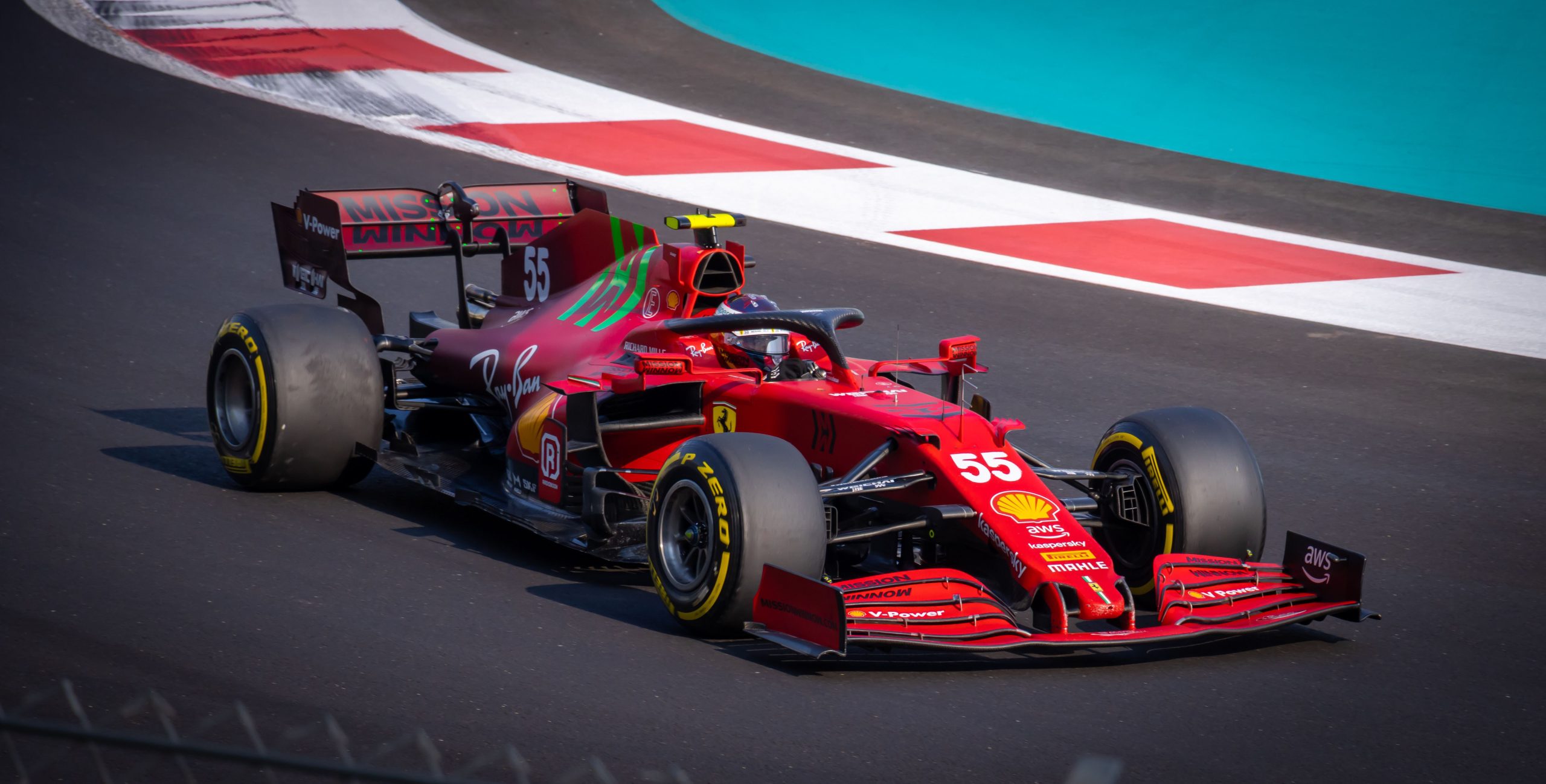
For most cities, ten weeks is a normal planning horizon. A conference you’ve been meaning to register for. A renovation project you keep pushing back. A vacation that hasn’t quite materialized yet.
For Las Vegas, ten weeks is when the construction crews show up and start closing roads.
Formula One’s Heineken Las Vegas Grand Prix enters its fourth year in November 2026, and circuit preparations have been underway since September 2, when overnight lane reductions began on Koval Lane at Rochelle Avenue. During that first night of work, traffic stopped entirely in all directions around 2 a.m. while crews installed a pedestrian bridge over Koval. From September 7 through September 18, Harmon Avenue between Las Vegas Boulevard and Koval Lane shifts to a single open lane in each direction from 9 p.m. to 6 a.m. nightly. Track lighting installation on Harmon runs overnight Sunday through Friday through September 25, then resumes October 26 through 30.
This week’s setup affects a relatively small footprint. By October, the disruption expands significantly. By early November, the full 3.8-mile circuit is functionally under construction, with Las Vegas Boulevard itself carrying barriers, grandstand infrastructure, pit lane equipment, and the permanent asphalt modifications that have made the Strip circuit one of the more technically unusual surfaces in the Formula One calendar.
Race weekend: November 19 through 21.
How Las Vegas Became an F1 Fixture
The 2023 inaugural Las Vegas Grand Prix cost an estimated $600 million to produce and generated substantial controversy when a loose water valve cover during the first free practice session caused an hours-long delay that sent thousands of fans home without seeing the session they had paid to attend. Formula One and its parent company eventually agreed to pay more than $3 million as part of a class action lawsuit settlement tied to that incident.
The 2024 race recovered from the inaugural stumble. George Russell won in a Mercedes one-two finish with Lewis Hamilton, with Carlos Sainz completing the podium. Attendance reached 306,000 for the weekend, and economic impact figures were strong enough that any remaining skepticism about Las Vegas as a sustainable F1 venue essentially dissolved. The city delivered the spectacle. The hospitality industry delivered the premium pricing. The circuit under the Strip lights delivered the television product that Formula One’s global audience responded to.
Max Verstappen won in 2025, his second Las Vegas victory, with George Russell and Kimi Antonelli completing the podium. The race had settled comfortably into the calendar as a late-season fixture that carries genuine championship implications, since November positioning means drivers and constructors are often fighting for standings points in Las Vegas that could define their final rankings.
The 2026 race arrives at an interesting moment for the championship. The Las Vegas Grand Prix will take place on November 21, positioned as one of the final rounds of the 2026 Formula One World Championship. That championship significance elevates the stakes of a race that already commands premium attention from the sport’s global audience.
What Ten Weeks of Preparation Actually Involves
The Las Vegas Grand Prix is fundamentally different from a traditional circuit race in its logistical complexity, because the 3.8-mile track uses public roads. Las Vegas Boulevard, Koval Lane, Harmon Avenue, and Sands Avenue are all roads that carry ordinary traffic 51 weeks a year and become a Formula One circuit for one week. Converting them back and forth requires a construction and deconstruction process that takes months in total.
The circuit installation follows a staged schedule designed to minimize disruption to Strip businesses, residents, and hotel guests while meeting the technical deadlines Formula One requires. Track lighting is among the first elements installed because it requires the most time for alignment, testing, and certification. Grandstands follow as the race date approaches, blocking sightlines and changing pedestrian flow around the Strip in ways that affect businesses along the affected blocks whether or not they have formal arrangements with the Grand Prix organizers.
Harmon Avenue installations this week represent work on one of the circuit’s key sections, where cars reach some of their highest speeds before turning onto the Strip. The track lighting being installed there matters as much aesthetically as technically: the Las Vegas Grand Prix’s television product depends heavily on the nighttime illumination of the circuit, which creates the visual environment that made the race’s broadcast distinctively spectacular from its first year.
The pedestrian bridge installed over Koval in the first week of construction addresses the foot traffic management challenge that has been one of the Grand Prix’s ongoing operational puzzles. Tens of thousands of fans move between casino hotels and grandstand areas during race weekend, and the circuit’s footprint across public roads creates crossing points that need infrastructure to manage safely at scale.
The Business of F1 Disruption
Ten weeks of staged construction, culminating in a full week of street closures and traffic rerouting, affects Las Vegas Boulevard businesses in ways that range from windfall to hardship depending on location, preparation, and business model.
Hotels with Strip-facing grandstand views have sold viewing packages at premium rates since the race’s first year, converting their natural vantage points into revenue streams that didn’t exist before F1 arrived. The Sphere, located on Koval near the circuit, has become one of the more unusual backdrop elements in the race’s visual identity, its exterior LED display visible from trackside cameras in ways that create involuntary but valuable association between the race and the venue.
For restaurants, bars, and retail operations along the affected streets, the calculus is less straightforward. Construction disruption that blocks access or reduces foot traffic in the weeks before the race costs revenue that the race weekend itself may or may not compensate. Operations positioned optimally for race weekend can generate extraordinary short-term revenue. Operations positioned poorly, whether by location or business type, absorb weeks of disruption for limited race weekend benefit.
The Las Vegas Grand Prix organization has spent three years developing relationships with affected businesses and refining the logistics that most reduce negative impacts during setup. The class action settlement from 2023 created institutional pressure to execute subsequent events more smoothly. The 2024 and 2025 editions were considerably less disruptive than the inaugural, suggesting that process has improved.
The Hiring Machine
Behind the racing spectacle is a workforce story that rarely gets told. The Las Vegas Grand Prix organization opened its hiring process for hundreds of roles for the 2026 race, recruiting event staff, hospitality workers, security personnel, transportation coordinators, and the dozens of other job categories that a 306,000-attendance event requires to function.
That hiring represents a significant temporary employment boost in Las Vegas’s hospitality labor market, concentrated in the weeks surrounding race weekend. It also creates a pipeline of workers who gain event production experience that has value beyond the Grand Prix itself, since the skills required to manage a Formula One race weekend translate to other large-scale events that Las Vegas hosts throughout the year.
The permanence of the Las Vegas Grand Prix in the Formula One calendar, now entering its fourth consecutive year, means this hiring cycle has become a regular feature of Las Vegas’s fall economic calendar rather than a one-time event. Employers in the hospitality sector have started planning around Grand Prix week the way they plan around New Year’s Eve or the Super Bowl.
What the Circuit Setup Signals About November
The start of circuit preparations this week is less newsworthy than the race itself but more economically significant in some respects. The months-long preparation window, and the economic activity it generates from equipment suppliers, construction workers, event planners, and hotel bookings that have been filling since January, means the Grand Prix’s economic contribution begins well before the first practice session on November 19.
Hotel bookings for race weekend have reportedly been strong. The 2026 race benefits from its fourth-year familiarity: prospective attendees who were curious about the first race but waited, or who attended once and want to return, now have three years of reference points showing them what the Las Vegas Grand Prix experience actually delivers. That accumulated reputation reduces the marketing uncertainty that affected early-year booking patterns.
The circuit setup that started two weeks ago will look dramatically different by mid-November. The lane reductions on Harmon this week are a barely noticeable inconvenience for most residents. The full Strip closure in November is an event that changes how the city operates for a week. Both are part of the same preparation process, staged across ten weeks to balance construction requirements with the city’s obligation to function as a working metropolitan area until race weekend arrives.
The lights are going up on Harmon. November 21 is ten weeks away.
Key Insights
The staged construction schedule, beginning with track lighting installation in early September and building toward full Strip closures in November, reflects the Grand Prix organization’s three years of learned experience managing a street circuit that must balance Formula One’s technical requirements against a working city’s operational needs.
The $3 million class action settlement tied to the 2023 inaugural race’s valve cover incident created institutional accountability pressure that appears to have translated into meaningfully better execution in subsequent years, demonstrating how legal consequences from event failures drive operational improvement in large-scale production environments.
Las Vegas Grand Prix’s position as a late-season championship race, with the November 21 date placing it among the final rounds of the 2026 World Championship, elevates its sporting significance in ways that reinforce commercial premium pricing and broadcast viewership beyond what a mid-season race with equivalent logistics would command.
The multi-month preparation window generates economic activity, from equipment suppliers to construction labor to early hotel bookings, that substantially predates race weekend itself, making the Grand Prix’s total economic contribution to Las Vegas meaningfully larger than the weekend attendance figures alone would suggest.
Sources
Las Vegas Review-Journal Circuit Setup This Week
8 News Now Circuit Preparations
News3 Las Vegas Road Work Report
Las Vegas Review-Journal F1 Road Work Start
Las Vegas Review-Journal Class Action Settlement