

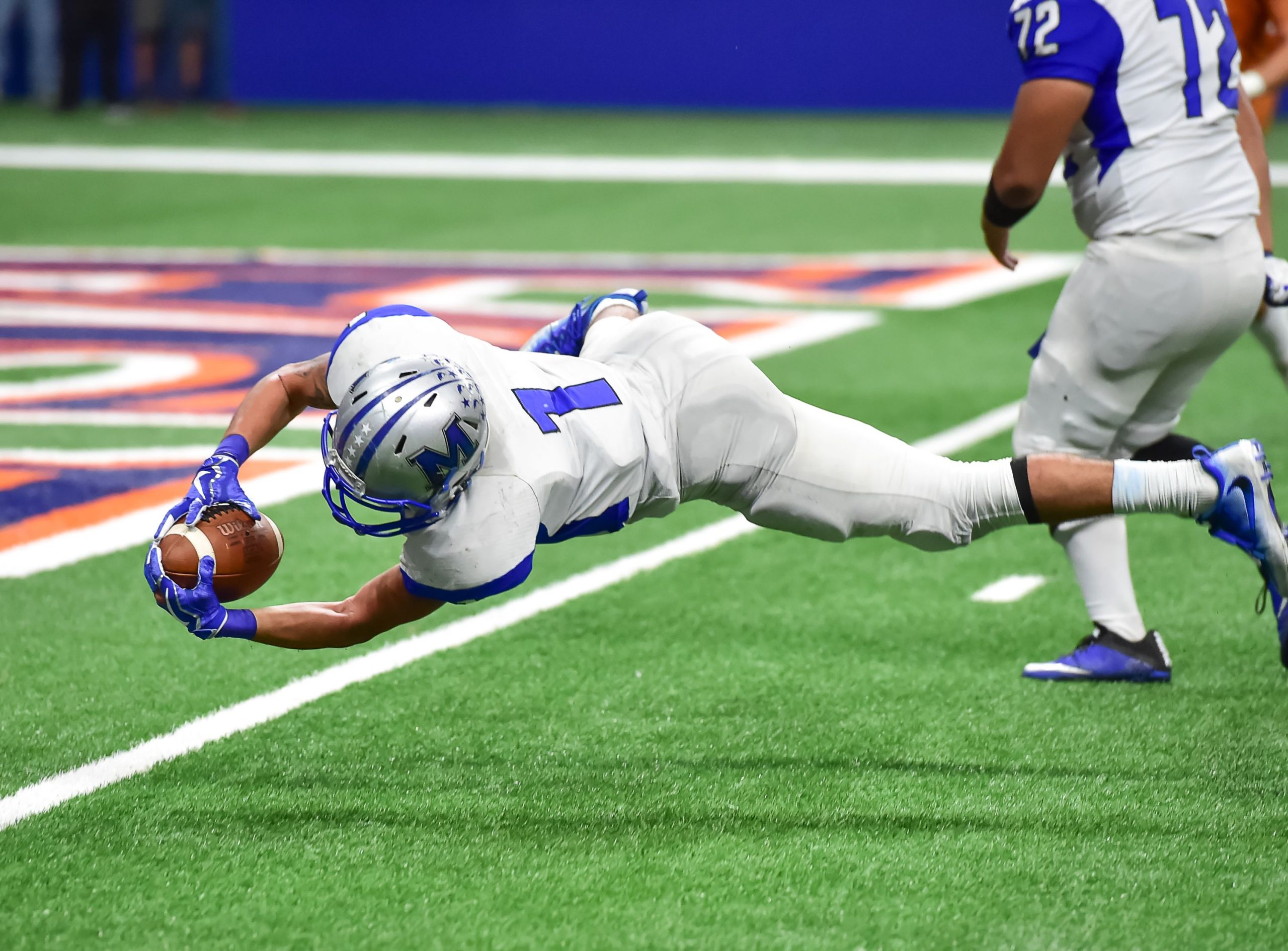
Tonight, August 29, 2026, at 7:10 p.m. Pacific, UNLV’s Rebels run out of the Allegiant Stadium tunnel for their 59th season of football. Memphis arrives for the first time in the history of either program’s meetings. The 7 p.m. kickoff makes it a national primetime game. FOX carries it live. Tim Brando calls the play-by-play. Devin Gardner and Josh Sims handle color and analysis. And the stadium, which has hosted AC/DC and Guns N’ Roses in the past four weeks and will host the Las Vegas Raiders in a matter of weeks, turns into a college football venue.
This is UNLV’s first regular-season appearance on FOX. It is one of at least 11 nationally televised games on their 2026 schedule. And it is happening in Week Zero, the early-season game designation that gives programs favorable scheduling positions and national visibility before the broader college football calendar activates the following week.
Understanding why UNLV vs. Memphis is a meaningful business story rather than just a football game requires looking at what UNLV has become in three seasons under Dan Mullen’s predecessor and now Mullen himself, what Allegiant Stadium’s programming diversity reveals about Las Vegas as a year-round sports and entertainment market, and what the national television footprint of a Mountain West program means for a city still establishing its identity as a college football town.
The UNLV Trajectory That Makes Tonight Matter
Three years ago, UNLV was not a program that scheduled Memphis for a Week Zero opener and put it on FOX primetime. The Rebels had been a program that competed in the Mountain West with modest expectations and limited national visibility.
The 30-12 record across the three seasons from 2023 through the end of 2025, including the 10-4 2025 season that ended with a Frisco Bowl loss to Ohio, represents a transformation that coaches, administrators, and television partners have noticed. Mountain West Conference championship game appearances in three consecutive seasons is not a coincidence or a single good class of recruits. It reflects program building that sustains itself across roster turnover.
Memphis’s presence in Week Zero provides independent validation of UNLV’s elevated standing. Memphis has gone 29-10 across the same three-season period as UNLV’s peak run, making them one of the American Conference’s strongest programs. Neither school is scheduling this game as a tune-up. Both are scheduling it because opening against a genuinely competitive opponent, in a venue with national broadcasting, in the week before the broader schedule activates, provides maximum visibility and a meaningful statement game outcome.
Jackson Arnold’s appointment as starting quarterback, the Auburn transfer who arrived in January 2026, is the season’s primary roster story. Mullen naming Arnold over Alex Orji for the opener reflects confidence in the transfer portal’s impact on the program. A quarterback who started at a Power conference school brings offensive infrastructure and game experience that develops in-program options often take years to build.
Allegiant Stadium as UNLV’s Home Field Advantage
UNLV plays its home games at Allegiant Stadium. This fact, unremarkable in its statement, is extraordinary in its implications. The Rebels share the world’s most sophisticated domed football venue, built for the Las Vegas Raiders at a cost approaching $2 billion, as their home field.
No other university program in the country plays home games in an NFL venue of this quality. The comparison cities, Los Angeles, New York, Dallas, Detroit, that have college programs playing in or near NFL facilities do not have the specific configuration Las Vegas provides: a single dominant NFL-caliber stadium in a concentrated entertainment district where the college program is the primary tenant for a portion of the year alongside NFL and major events.
For recruiting, Allegiant Stadium functions as the program’s most powerful visual argument. A 17-year-old prospect visiting campus and walking into Allegiant Stadium is experiencing something that no other college football destination can provide. The facility signals professional-level infrastructure that Division I programs spend decades and hundreds of millions of dollars trying to achieve, and UNLV has it by virtue of being the only college football program in the market.
For marketing and fan development, Allegiant Stadium provides the kind of neutral venue that UNLV’s historic home facilities could not offer. Las Vegas has a substantial population of transplants from college football markets across the country who followed their alma maters for decades before relocating. Allegiant Stadium’s professional presentation of college football provides these fans with an experience quality that makes UNLV games worth attending even if their primary allegiance lies elsewhere.
The National Television Footprint
Eleven nationally televised games in a single season is a significant media achievement for a Mountain West program. The number reflects both UNLV’s competitive standing and the Mountain West Conference’s television agreements, but it also reflects something specific about Las Vegas as a broadcast location.
A Las Vegas game is inherently different from a game in Boise, Idaho, or Colorado Springs, Colorado, for production teams and for the national narrative that surrounds it. Las Vegas is the entertainment capital. The background, the Strip visible from certain camera angles, the overall context of a major college game in the city where the Raiders play and where the Super Bowl has been held, adds production value that audiences perceive even when they cannot articulate it.
Television networks pay for this context implicitly by scheduling Las Vegas games on premium broadcast windows. The FOX primetime slot for the UNLV-Memphis opener, one of the few Week Zero games on national broadcast television this weekend, reflects FOX’s assessment that a Las Vegas college football game in primetime is worth the broadcast rights investment.
For UNLV’s program development, national television exposure at this frequency accelerates recruiting outreach and donor engagement in ways that Mountain West programs without comparable TV footprints cannot match. When 17-year-old prospects across the country see UNLV on national television 11 times in a season, the program’s visibility and perceived prestige scales accordingly.
What Week Zero Reveals About Las Vegas’s Sports Calendar
UNLV hosting Memphis in Week Zero, one week before the national college football season opens in earnest, places Las Vegas in the center of the national sports conversation on a weekend when few other markets have comparable programming.
The Las Vegas sports calendar now spans essentially the entire year. The Raiders play NFL regular season from September through January. The Golden Knights play NHL regular season from October through April. The Las Vegas Aces compete in WNBA from May through October. UNLV football runs from late August through December. NASCAR events return to Las Vegas Motor Speedway. Formula 1 in November. UFC cards throughout the year. Major boxing matches distributed across the calendar.
Tonight’s UNLV game on FOX is one more contribution to the permanent sports programming presence that Las Vegas has built over the past decade. The city that once had no major professional sports franchises now cannot fit a major sports event into the entertainment calendar without competing against other major sports events already there.
For Allegiant Stadium specifically, the UNLV home schedule is a programming asset that fills dates between Raiders games with stadium-quality college football rather than leaving the facility dark. Each UNLV home game generates concession revenue, parking revenue, and the secondary spending across the Las Vegas hospitality economy that any major stadium event produces.
The Wynn Field Club, now available to UNLV fans, and the Rebel Village Fan Zone activated for tonight’s opener represent ongoing investment in the UNLV game day experience at Allegiant that extends the event from a two-hour football game into a full-day hospitality production.
The Dan Mullen Era’s Second Year
Dan Mullen is now in his second year as UNLV head coach after a career that includes the 2020 Southeastern Conference Coach of the Year award at Mississippi State and a stint at Florida that produced consistent winning records. His arrival at UNLV represented a significant coaching investment by the university, bringing Power conference credentials to a Group of Five program.
Year Two of a coaching tenure is typically when the program begins reflecting the incoming staff’s recruiting classes in meaningful roster depth. The transfer portal allows faster results than traditional four-year development cycles, and Arnold’s presence at quarterback is a direct demonstration of how quickly a portal-active program can reshape its roster.
Mullen’s public framing of the Memphis game emphasizes the historical opportunity: opening on FOX national television against a respected opponent while competing for Mountain West championship contention. This is not modest expectations management. It is a program that has internalized the expectation of competing at the top of its conference and communicating that expectation publicly to recruits, fans, and donors.
Key Insights
UNLV’s 30-12 three-season record, including consecutive Mountain West Championship Game appearances, reflects sustained program building rather than single-cycle success, validating the investment in Dan Mullen’s coaching hire and enabling the scheduling of nationally prominent opponents like Memphis. Allegiant Stadium as home field provides recruiting and brand advantages unavailable to any other non-Power conference program in the country, as the facility signals professional-level infrastructure that decades of capital investment cannot replicate at peer programs.
Eleven nationally televised games in 2026 reflects both Mountain West television agreements and Las Vegas’s specific broadcast appeal, where venue context and entertainment capital identity add production value that networks price into premium scheduling decisions. Week Zero scheduling provides national visibility and a meaningful statement game before broader college football calendar competition activates, while UNLV’s Allegiant Stadium home provides the broadcast backdrop that makes the game worth primetime FOX programming rights investment. Sports calendar density in Las Vegas, spanning Raiders, Golden Knights, Aces, NASCAR, Formula 1, UFC, boxing, and UNLV football, creates year-round programming depth that makes Allegiant Stadium and other major venues productive assets across all 12 months rather than seasonal facilities.
Notes on What a College Football City Looks Like
Las Vegas’s emergence as a college football city is unusual because it happened primarily through the vehicle of professional sports infrastructure rather than through traditional college town development. Most college football markets have the university as the dominant identity anchor. Athens, Georgia, exists in relation to the University of Georgia. Tuscaloosa exists in relation to Alabama. The identity of the city and the identity of the program are inseparable.
Las Vegas has inverted this relationship. The city’s identity as an entertainment and sports capital was established before UNLV’s football program became nationally relevant. The program is benefiting from infrastructure, broadcast relationships, and city identity that it did not build. This is an unusual advantage, and it creates a growth ceiling question that most college towns do not face: what does UNLV football become when the city’s identity is so much larger than the program?
The answer being built right now, on national FOX broadcasts, with Power conference transfers at quarterback, against American Conference top programs in Week Zero, at a $2 billion NFL stadium, suggests that UNLV is not content to be the city’s small entertainment footnote. The program is reaching toward the scale that its infrastructure already provides. Tonight is the most visible statement of that reach this season.
The kickoff is at 7:10 p.m. The cameras are on. And Las Vegas, for the next three hours, is a college football town.