

Between January and December 2026, Allegiant Stadium will have hosted Ed Sheeran, Fuerza Regida, AC/DC, Guns N’ Roses, Luke Bryan and Jason Aldean, and a Las Vegas Raiders preseason season calendar, all inside a single calendar year, at a venue that did not exist six years ago.
That list is not complete. It does not include the Raiders’ full NFL home schedule, the UNLV Rebels football season, two home preseason games, the Las Vegas Bowl on New Year’s Eve, or the dozens of other events that fill the 65,000-seat domed stadium across 12 months of programming. It does not capture the stadium’s role as the anchor of a tourism micro-economy that generates hotel bookings, restaurant reservations, transportation revenue, and casino spending across the entire Las Vegas valley every time a major event fills those seats.
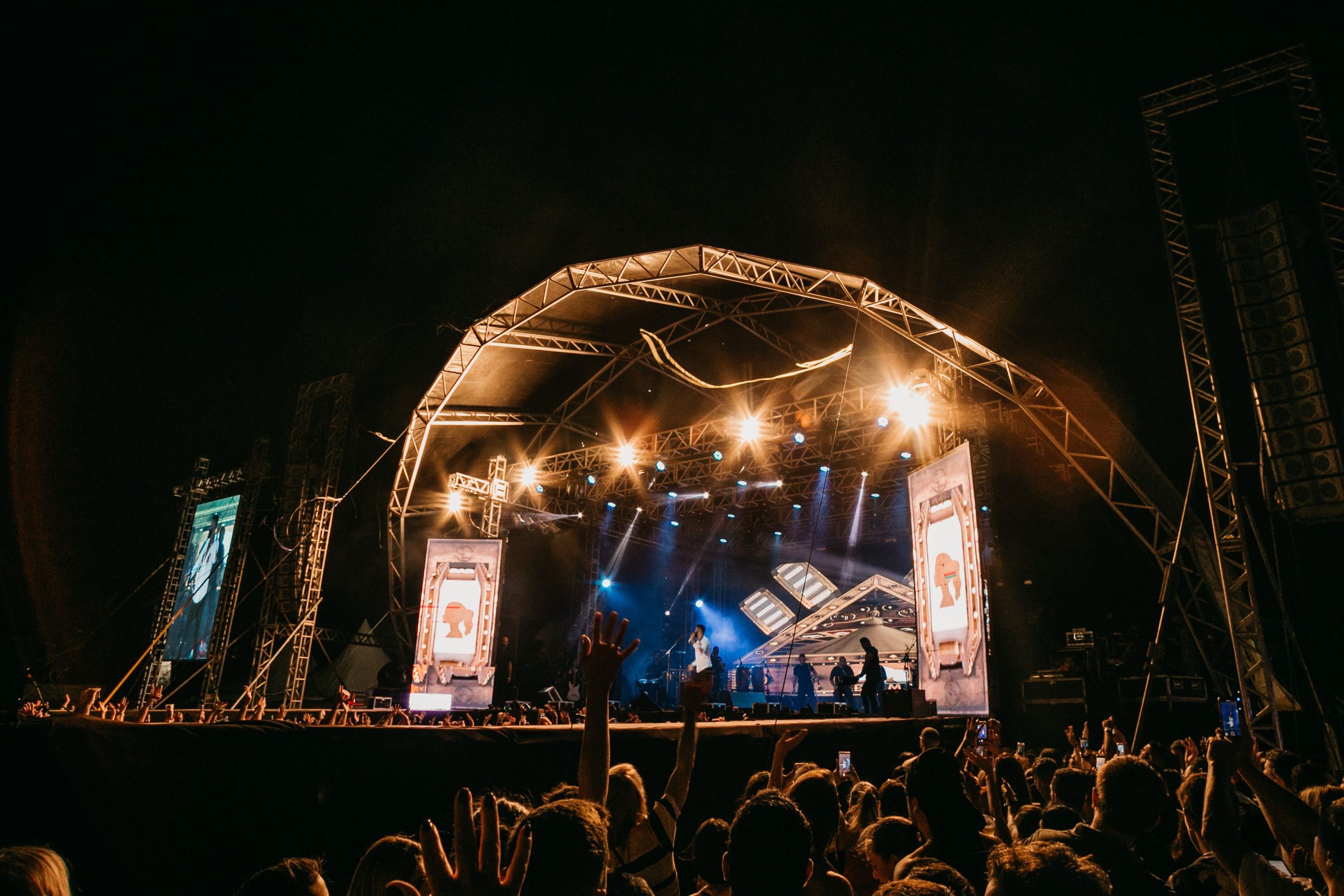
What Las Vegas has built at Allegiant Stadium, in six years of operation, is the most commercially aggressive and genre-diverse stadium concert program in North America. Not the biggest venue. Not the oldest. Not the one with the most storied musical history. The one that figured out how to fill a 65,000-seat room month after month, genre after genre, demographic after demographic, by treating the stadium not as an NFL venue with occasional concerts but as a year-round entertainment platform with football as its anchor tenant.
How the Model Works
The conventional stadium concert model allocates the NFL calendar first and fills remaining dates with major touring acts during the summer window when the league is in its offseason. This approach treats concerts as secondary programming, opportunistic revenue that happens to be available in the gaps between the sport’s real calendar.
Allegiant Stadium runs a different model. The venue’s booking team has systematically built a concert program that targets different genres across different calendar windows, treating each audience segment as a distinct market with its own demand profile, spending patterns, and optimal timing.
The summer rock window captures AC/DC in early August and Guns N’ Roses in late August, two legacy acts with substantial touring draw whose audiences skew older and toward premium ticket pricing. The Latin market gets Fuerza Regida in July, a sold-out show that demonstrated corridos tumbados can fill 65,000 seats with an audience that spends heavily on food, beverage, and the surrounding Las Vegas experience. The pop market gets Ed Sheeran’s LOOP Tour in mid-July. Country gets the Double Down Tour finale in December.
Each booking serves a distinct audience segment that has limited overlap with the others. A Guns N’ Roses crowd is not the same demographic as a Fuerza Regida crowd. An Ed Sheeran audience differs substantially from an AC/DC audience. The genre diversity is not incidental variety programming. It is a systematic approach to maximizing stadium utilization by ensuring that the building is relevant to different fan bases at different points in the calendar.
The Climate-Controlled Advantage
Every Las Vegas summer concert story eventually returns to the same infrastructure fact: Allegiant Stadium’s retractable roof and air conditioning system make mid-summer stadium concerts viable in a way that outdoor venues anywhere in the desert Southwest cannot match.
AC/DC played August 1 to a full house in conditions that would have been genuinely dangerous at an outdoor amphitheater. Ed Sheeran performed July 18 with the kind of extended production timeline that outdoor heat would have compressed. Guns N’ Roses will play August 22 with full staging and pyrotechnics in a temperature-controlled environment that the band’s production requirements actually need.
This infrastructure advantage compounds annually. As climate patterns make summer outdoor concerts increasingly challenging across Sun Belt markets, Allegiant Stadium’s climate-controlled environment becomes more, not less, valuable as a differentiator. Promoters and artists know what they are booking when they commit to the stadium. They are not managing weather risk alongside production logistics. They are simply putting on the show.
The economic value of that predictability is real and growing. An outdoor summer stadium show in Phoenix, Dallas, or Los Angeles carries heat risk that affects attendance patterns, fan health and safety, set length, and production capabilities. None of those variables apply to Allegiant. The building handles summer exactly the same way it handles October.
The Tourism Multiplier
Las Vegas stadium concerts generate economic impact in patterns that differ from concerts in other cities. Las Vegas is a destination city. Visitors do not live nearby. They fly in, book hotels, and organize multi-day trips around the event that brought them. The economic multiplier for each concert attendee is substantially higher than the multiplier for attendees in markets where fans drive 30 minutes from their homes.
The Fuerza Regida sold-out show on July 10 drew from Southern California’s enormous Mexican-American fan base, which treats Las Vegas as a natural extension of its own regional entertainment landscape. Many attendees made the four-hour drive from the greater Los Angeles area, booked two-night hotel stays, and spent across the Strip before and after the concert. Others flew from Texas, Arizona, and other markets where the band’s fan base is concentrated.
The Ed Sheeran show drew from a broader geographic base, with fans traveling from across the western United States and from international markets attracted to Las Vegas specifically because the concert provided an anchor for a trip they were already considering. The Saturday date amplified the visit extension pattern, as fans who arrived Friday for the show stayed through the weekend rather than treating the concert as a one-night event.
Across a full calendar year of Allegiant concerts, this tourism multiplier generates economic activity that dwarfs the direct ticket and venue revenue. Hotels near the stadium and throughout the valley see occupancy spikes around every major concert weekend. Restaurants, nightclubs, and casino floors absorb the overflow from fans who extend their stays. Transportation services surge on concert nights as rideshare demand spikes across the valley.
What the Raiders Bring to the Equation
The Las Vegas Raiders provide something that pure concert programming cannot: weekly guaranteed traffic across 10 home games from September through January. The NFL calendar fills dates that concert programming leaves open, prevents the building from sitting dark for extended periods, and generates consistent economic activity even when no major touring act is available.
The Raiders’ 2026 season opens with a rebuilt coaching staff under Klint Kubiak and a roster that has undergone substantial reconstruction. The competitive results of the season will affect how many of those 10 home games feel like genuine events versus going-through-the-motions completions of a difficult season. But even in their worst recent seasons, the Raiders have filled Allegiant Stadium at rates that most NFL franchises would envy, because Las Vegas football tourism draws visitors from the same broad geographic base that concert tourism does.
The UNLV Rebels football season adds additional programming across the fall college football calendar, and the Las Vegas Bowl on New Year’s Eve has become an established end-of-year event that draws fans specifically to Las Vegas for the holiday window.
The Broader Strip Competition and Collaboration
Allegiant Stadium does not operate in isolation. T-Mobile Arena hosts UFC events, Golden Knights games, and concerts. Sphere occupies the premium immersive entertainment position. The Colosseum at Caesars and Dolby Live at Park MGM run residency programs. Michelob ULTRA Arena hosts WNBA and other events.
This density of major venues creates both competition and collaboration. Competition for calendar dates, for artists, and for the tourist entertainment budget. Collaboration in the form of a collective entertainment ecosystem that makes Las Vegas the most compelling destination for entertainment spending anywhere in North America.
A tourist who arrives for a Backstreet Boys Sphere show has the option to also attend a Raiders preseason game or an Allegiant Stadium concert in the same visit. A visitor who comes for a Golden Knights playoff game can see a Colosseum residency on the same trip. The entertainment options that surround every anchor event extend visitor stays and multiply per-trip spending in ways that no single venue could generate alone.
Allegiant Stadium’s role in this ecosystem is as the scale provider. The venue does what Sphere, T-Mobile Arena, and the Colosseum cannot: absorb 65,000 people for a single event and generate the kind of foot traffic surge that redefines what a single night in Las Vegas can produce economically.
The Proof Points of 2026
The 2026 concert calendar at Allegiant Stadium has delivered proof points across every dimension of the model. Genre diversity: rock, Latin, pop, and country have all generated sold-out or near-capacity shows. Audience diversity: different demographic segments filled the building at different points without meaningful overlap or cannibalization. Economic impact: each show generated hotel occupancy spikes, transportation demand, and Strip spending that extended well beyond the ticket revenue.
The Fuerza Regida sold-out show in July established that the Latin music market can fill 65,000 seats in Las Vegas with an audience that generates substantial economic activity. This was not obvious before July 10. It is obvious now, and the implication for future bookings is that the Spanish-language music market at stadium scale should be a regular part of Allegiant’s programming mix rather than an occasional addition.
The three-week run of AC/DC and Guns N’ Roses in August demonstrated that back-to-back legacy rock stadium shows are commercially viable in Las Vegas without audience cannibalization. Different fans came to each show, extended their separate Vegas visits, and generated additive economic impact rather than simply dividing a shared rock audience across two events.
Key Takeaways
Allegiant Stadium has established itself as the most commercially aggressive and genre-diverse stadium concert venue in North America through a systematic approach to year-round programming that treats the building as an entertainment platform with football as its anchor tenant rather than a football stadium with occasional concerts.
The climate-controlled infrastructure provides a competitive advantage that compounds as summer outdoor concerts face increasing climate risk across Sun Belt markets. Genre diversity across the concert calendar, demonstrated by sold-out shows from Fuerza Regida, Ed Sheeran, AC/DC, and Guns N’ Roses in a single summer, maximizes utilization by serving distinct audience segments with limited demographic overlap.
The Las Vegas tourism multiplier, driven by the city’s status as a destination rather than a regional market, generates economic impact per concert attendee substantially higher than comparable events in other cities. The Raiders’ NFL calendar, UNLV football season, and the Las Vegas Bowl fill dates that concert programming leaves open and generate consistent economic activity year-round.
For Las Vegas’s overall entertainment identity, Allegiant Stadium’s emergence as a premier live music destination accelerates the city’s transformation from a narrowly defined casino and entertainment resort market into a comprehensive sports and entertainment platform that competes for every category of visitor spending against any destination in the world.
Sources:
– Allegiant Stadium Official Events: https://www.allegiantstadium.com/events/
– Live Nation Las Vegas Programming: https://www.livenation.com/venue/KovZpZAF17eA/allegiant-stadium-events
– Visit Las Vegas Entertainment Guide: https://www.visitlasvegas.com/experience/shows-entertainment/
– Las Vegas Review-Journal Stadium Coverage: https://www.reviewjournal.com/sports/raiders/
– Las Vegas Convention and Visitors Authority Economic Impact: https://www.lvcva.com/research/