

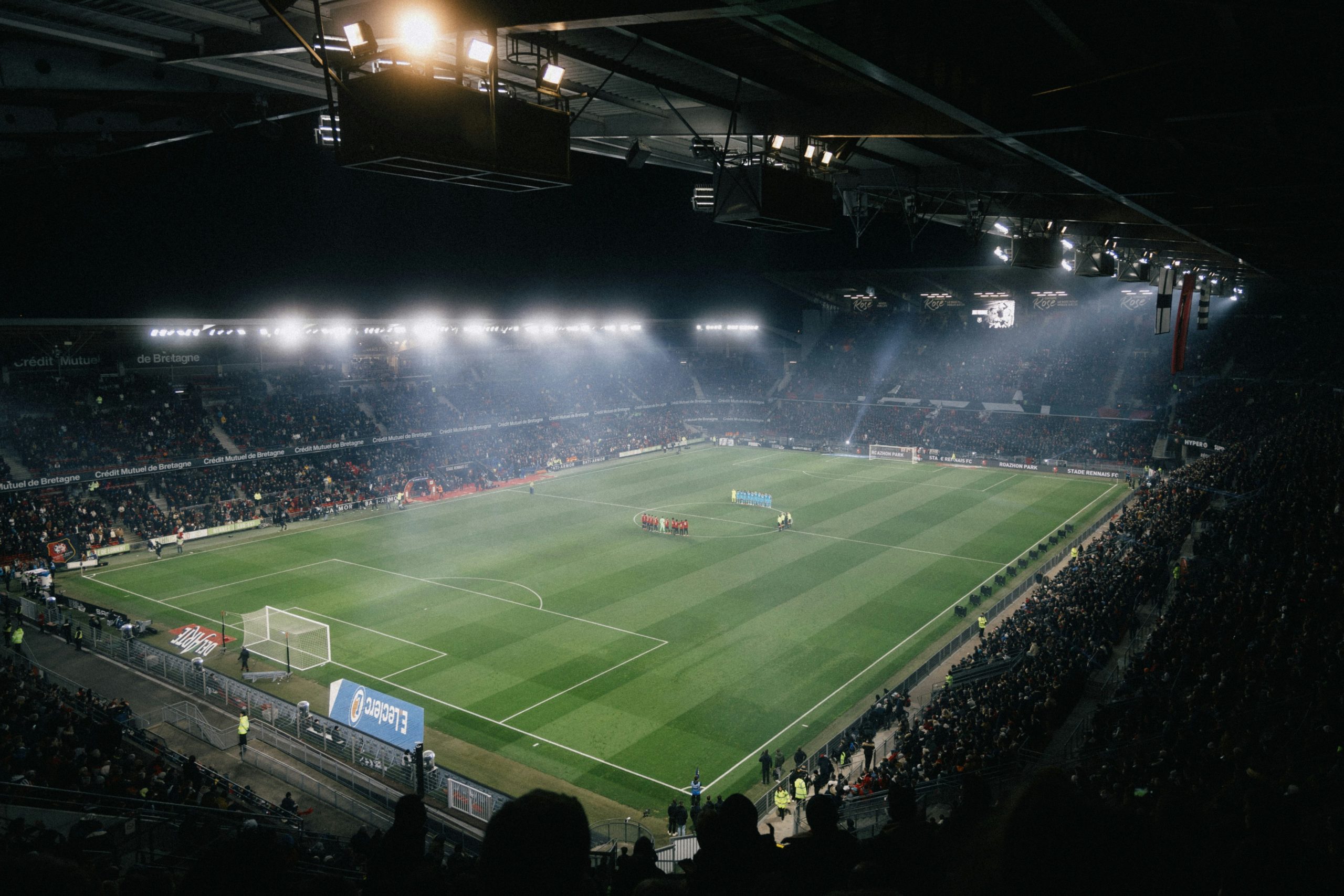
The 2026 FIFA World Cup kicked off on June 11 with 104 matches spread across 16 host cities in the United States, Canada, and Mexico. Las Vegas was not one of them. The city bid for matches, Allegiant Stadium was considered a serious candidate, and ultimately FIFA passed Las Vegas over in favor of markets with deeper soccer traditions and established fan infrastructure.
Las Vegas took the snub and decided to host the tournament anyway.
At Circa Sportsbook, which occupies an area the size of two football fields in downtown Las Vegas and holds claim as the world’s largest sportsbook, every World Cup match is being broadcast with full audio across its massive screen arrays. When Mexico played South Africa in one of the opening group stage matches, Circa was packed wall to wall with fans who had no interest in being anywhere else. The energy, by multiple accounts, matched or exceeded what fans in actual host cities experienced in stadiums.
This is Las Vegas doing what Las Vegas does best: taking someone else’s event and making it their own.
The Strategic Calculation
The Las Vegas Convention and Visitors Authority began planning its World Cup strategy well before the tournament started, recognizing early that the city could extract substantial tourism and betting revenue from the world’s most-watched sporting event even without hosting a single match.
The LVCVA’s marketing committee outlined its approach months in advance: position Las Vegas as the premier destination for watching World Cup games in comfort, luxury, and the kind of atmosphere that only a city built entirely around entertainment can provide. The pitch to international fans was compelling. Instead of traveling to a host city where accommodation costs spike, transportation becomes chaotic, and the match takes a few hours out of an otherwise ordinary destination experience, come to Las Vegas. Watch games in world-class sportsbooks with premium food, open bars, and the Strip’s full menu of entertainment waiting outside.
The 2026 FIFA World Cup features an expanded 48-team field, the largest in tournament history, producing 104 total matches running from June 11 through July 19. That 39-day window covers what is traditionally a soft tourism period for Las Vegas, the summer months when extreme heat historically suppresses visitation from domestic travelers who prefer cooler destinations. World Cup programming fills hotel rooms, activates casino floors, and generates food and beverage revenue during days that would otherwise see modest traffic.
Estimates put global wagering on the 2026 World Cup at over $150 billion, making it the largest sports betting event on the planet by a wide margin. Las Vegas, as America’s sports betting capital with an established infrastructure of legal sportsbooks that most domestic destinations lack, sits at the center of that action.
Tourism Stabilization and the World Cup Effect
The broader context matters here. Las Vegas tourism fell sharply in 2025 and spent early 2026 finding its footing. Visitation has largely stabilized through the first months of 2026, returning to baseline after the prior year’s significant decline, but the recovery has been measured rather than robust.
The World Cup arrived at an opportune moment. Holistically speaking, Las Vegas tourism has returned to the baseline in 2026 after a significant decline in 2025, and the World Cup is helping to pack sportsbooks during a period when other visitor traffic remains soft.
The 2026 edition carries particular significance for North American tourism. With co-hosts the United States, Mexico, and Canada driving local interest at levels the tournament rarely generates outside of South America or Western Europe, the audience for World Cup programming in Las Vegas expanded beyond the traditional soccer-watching demographic. Mexico’s presence as a co-host brought intense Mexican fan interest to sportsbooks and watch parties across the Southwest, a demographic segment Las Vegas has historically attracted strongly.
International travel dynamics added complexity. Nevada’s two U.S. senators had in early June demanded that the Trump administration reverse a proposed rule requiring international travelers to provide five years of social media history before visiting the United States, warning it threatened international travel to World Cup host cities and beyond. Whether that rule advanced or was modified in response to pressure from sporting event stakeholders will shape how many international fans made Las Vegas part of their World Cup travel itineraries.
The Sportsbook Economy
Nevada’s sportsbooks represent a fundamentally different economic proposition from watch parties in ordinary bars. The legal, regulated, technologically sophisticated betting infrastructure that Las Vegas has built over decades is purpose-built for exactly this kind of global mega-event.
Circa Sportsbook sets the standard. The facility operates 1,000 seats, a three-story screen measuring 78 million pixels, and dedicated betting windows for every major market. During World Cup group stage days with three or four simultaneous matches, Circa functions as a combination entertainment venue, sports media experience, and live wagering floor that no other format can replicate.
Other major sportsbooks on and off the Strip activated comparable World Cup programming. The Westgate SuperBook, Caesars Sportsbook, MGM’s BetMGM locations, and Wynn’s sportsbook each developed their own viewing and wagering experiences tailored to the tournament’s extended run. The competitive dynamic among sportsbooks to offer the most compelling World Cup environment accelerated investments in screen technology, seating capacity, and food and beverage quality that will outlast the tournament itself.
The betting handle generated by the World Cup represents the most direct revenue measurement. While Nevada’s Gaming Control Board won’t publish final World Cup figures until after the tournament concludes on July 19, early indications from the first week of play suggested handle levels consistent with or exceeding the Super Bowl for individual high-profile match days. Mexico’s opening match, Spain’s early group play, and matches involving the United States national team produced particularly strong betting volumes.
The online component adds scale that physical sportsbooks alone can’t capture. BetMGM, Caesars, DraftKings, and FanDuel all operate Nevada-licensed online sportsbooks alongside their physical locations. World Cup betting through mobile apps reaches customers in hotel rooms, by pools, and at restaurants in ways that physical sportsbooks cannot. The cumulative Nevada handle across physical and digital channels through the tournament’s run is projected to be substantial.
The Fan Experience as Product
Las Vegas’s approach to the World Cup reveals sophisticated understanding of how destination cities can monetize major events they don’t technically host. The key insight is that the match itself is only one component of a fan’s World Cup experience. The surrounding culture, the social experience of watching with strangers who share intensity, the food and drink and energy of a charged environment, these are things Las Vegas can provide at a level that host cities often struggle to match.
A fan traveling to a World Cup match in a host city spends the day navigating transportation, dealing with security queues, sitting in a stadium where their view of the action may be distant, and returning to expensive, crowded hotel rooms after the match. A fan watching the same match at Circa Sportsbook in Las Vegas sits in a premium seat with immediate access to the world’s best odds, eats quality food, drinks freely, and walks out to the Strip’s full entertainment menu when the final whistle blows.
The value proposition is real enough that the LVCVA built an entire marketing campaign around it. The framing was Las Vegas as a less expensive and more entertaining alternative to traveling to host cities, particularly for fans whose teams were playing in cities that ranked low on destination appeal. This was smart positioning: World Cup fans don’t choose host cities based on tourism quality. They go to see their team. Las Vegas offered a way to watch the same games in a demonstrably superior environment.
Casino resort properties developed specific World Cup packages combining hotel stays with sportsbook credits, match-day food and beverage packages, and entertainment tickets. These bundles created incremental revenue beyond room rates while differentiating Las Vegas’s offering from simply watching a game on television.
The Betting Market Structure and Nevada’s Advantage
The World Cup’s global scale and the variety of its betting markets create unusual opportunities for Nevada’s licensed sportsbooks to demonstrate their sophistication. International soccer betting involves three-way money lines covering 90 minutes plus stoppage time, where a draw pays out even if the match later goes to extra time. Draw No Bet markets, Asian handicaps, goal totals, first scorer markets, card markets, and tournament futures all require sophisticated trading operations and risk management systems.
Nevada sportsbooks have operated legal soccer betting for years, developing expertise in these markets that newer sports betting states lack. The regulatory maturity of Nevada’s sportsbook industry, combined with its physical scale, created advantages in taking large World Cup action without the operational difficulties that less experienced operators encountered.
The mobile betting landscape added competitive pressure. Because legal sports betting is now available in 32 of 50 states via mobile apps, casual bettors don’t need to travel to Nevada to wager on the World Cup. The physical destination value of Las Vegas sportsbooks increasingly rests on the experience itself, not on exclusive access to legal betting. This dynamic reinforces the direction Las Vegas has been moving: competing on environment, atmosphere, and entertainment quality rather than simply on legal access to wagering.
Long-Term Lessons for Event Strategy
Las Vegas’s World Cup playbook offers a replicable template for how destination cities can generate economic value from global events held elsewhere. The core principles are identifiable: invest in world-class viewing infrastructure, activate the surrounding entertainment ecosystem, target the demographic most likely to view major event consumption as a travel opportunity, and price offerings at levels that compare favorably to traveling to the host destination.
This template extends beyond soccer. Las Vegas has applied similar logic to the Olympics (no hosting required, but international viewers seeking a destination), to international boxing and combat sports with global audiences, and to major golf tournaments whose television audiences generate sportsbook handle independent of proximity to the event.
The FIFA World Cup’s extended 39-day run makes it particularly valuable as a programming anchor. Unlike a single Super Bowl weekend or a Formula 1 race spanning three days, the World Cup provides nearly six weeks of daily content. Every day of the tournament is a day when sportsbooks are activated, hotel rooms are easier to fill, and food and beverage revenues get a boost from fans spending hours in premium viewing environments.
If Las Vegas’s World Cup performance in June and July 2026 validates the strategy at scale, expect the LVCVA and individual casino operators to invest even more heavily in similar positioning for future global events. The 2028 Los Angeles Summer Olympics presents the next major opportunity, with Las Vegas close enough to Los Angeles to position itself as an entertainment base for fans who want to attend events in LA while spending leisure time in Nevada.
Key Takeaways
- The 2026 FIFA World Cup runs June 11 through July 19, featuring 104 matches across 16 host cities in the US, Canada, and Mexico, none of which is Las Vegas
- Las Vegas launched a targeted marketing campaign to attract World Cup fans as a viewing destination despite not hosting matches
- Circa Sportsbook, the world’s largest, broadcast every match with full audio and reported packed attendance for opening round games
- Global wagering on the 2026 World Cup is estimated at over $150 billion, the largest sports betting event on the planet
- The World Cup’s 39-day run covers Las Vegas’s traditionally soft summer tourism period, providing crucial demand support
- Nevada tourism has stabilized to baseline in 2026 after a significant 2025 decline, with World Cup programming providing additional support
- The expanded 48-team format produces more matches and longer tournament duration than any prior World Cup, maximizing Las Vegas’s viewing programming window
- Las Vegas’s template of monetizing events held elsewhere is replicable for future global events including the 2028 Los Angeles Olympics
Important Insights
Las Vegas’s ability to monetize the World Cup without hosting a single match demonstrates a mature understanding of how entertainment destinations can extract value from global cultural events. Most cities require geographic proximity to benefit from major sporting events. Las Vegas has built infrastructure and a brand proposition that effectively relocates the ancillary entertainment economy of global events to the Strip, regardless of where the events actually occur.
The sportsbook as fan venue is becoming one of Las Vegas’s most distinctive competitive advantages. No other American city has the combination of legal betting infrastructure, physical scale, and entertainment density that makes Las Vegas sportsbooks genuinely superior viewing environments for major international events. As online betting spreads to more states, this experiential advantage becomes more important than legal access advantage.
The timing of the World Cup relative to Las Vegas’s tourism recovery deserves credit beyond coincidence. The LVCVA identified the World Cup as a strategic opportunity early and positioned the city accordingly. Smart destination marketing requires identifying demand catalysts months or years in advance and building programming around them. Las Vegas’s World Cup preparation exemplifies this discipline.
The three-way money line structure of soccer betting, where a draw during regulation pays out independently of extra time results, is genuinely different from American sports betting markets and creates education opportunities for new bettors. Las Vegas sportsbooks that invested in explaining soccer betting mechanics attracted new casual bettors whose engagement with the World Cup may persist into ongoing soccer wagering. The growth of soccer’s American audience is a multi-year tailwind for Nevada’s betting markets.
Nevada’s senators fighting the social media disclosure rule for international travelers reflects how deeply entangled the tourism and political economies of the state have become. Gaming revenue funds state government services, casino employment supports working-class families across Southern Nevada, and anything that suppresses international visitation threatens the entire ecosystem. That political engagement on behalf of tourism infrastructure signals the maturity of Nevada’s advocacy capacity.
For real-time World Cup odds and Nevada sportsbook information, visit Circa Sportsbook and the Nevada Gaming Control Board. For Las Vegas tourism information, visit the Las Vegas Convention and Visitors Authority.